The short answer
Usually the plan isn't what failed. When a diet stalls, it's easy to decide your body is broken and go looking for the next protocol, so you never stay with one plan long enough to see it work. Dr. Meg Mill's fix is to catch that "I'm broken" thought, swap it for something neutral you can believe, and keep going with the plan you already have.
What Dr. Meg Mill explains
- Keto, carb cycling, a hormone protocol, a gut reset: each one tends to work for a few weeks or months and then stop. Most people take that as proof that something in their body is broken.
- Meg, a doctor of pharmacy who spent close to 20 years as a clinical pharmacist, lived in that cycle for about a decade. She argues the belief that you're broken changes what you notice, what you buy, and how fast you jump to the next diet or program.
- Positive affirmations can backfire. Saying "I'm calm" while you're anxious is a contradiction, and when it doesn't work it feels like one more thing you failed at.
- A neutral thought you can believe works better, like "I'm okay right now" or "I'm getting better." Once that feels normal, you reach for the next believable thought instead of jumping straight to "I'm going to run a marathon."
- The old thought will come back, sometimes 30 seconds later. That's why the switch takes repetition, not one try.
- If tracking or the scale feels like constant resistance, Meg suggests a break of a couple of weeks. You might come back to the tool in a new light, or find you need it less than you thought.
What to try, by situation
| Your plan stalled and you want a new one | Before you switch, notice the "I'm broken" thought behind the urge, and give the current plan more time. |
|---|---|
| A negative thought keeps looping | Try Meg's 7-Second Switch: notice it, feel where it sits in your body, ask if it's true, remove it, replace it with a neutral thought, and breathe. |
| Affirmations feel fake | Drop to something neutral you believe, like "I'm okay right now," and work up from there. |
| Before a meal | Three slow breaths: hand on your belly, breathe in so it rises, hold at the top, and breathe out longer than you breathed in. |
| Nervous before a heavy lift | Some stress helps you lift. Look at what's behind the anxiety before you try to calm all of it down. |
| Tracking or the scale feels like a fight | Take a couple of weeks off, then decide how you want to use it. |
Free guide
The Stress Solution Guide
Practical ways to manage stress, sleep better, and support your nutrition and health.
Chapters
- 0:00Why diets stop working after a few weeks
- 3:00Spotting the "I'm broken" belief
- 7:05Tracking your thoughts for a day
- 10:00Stress, fight or flight, and digestion
- 14:09Positive affirmations versus neutral thoughts
- 21:34The CELLYRA Method and perimenopause
- 29:05Slowing down to digest your meals
- 32:43The 7-Second Switch, step by step
- 39:28Sarah's story and stopping every protocol
- 42:16Using it before a hard squat
- 46:09Stress, absorption, and calories
- 50:39Meg's own self-doubt
Questions from this episode
Why does every diet seem to work for a few weeks and then stop?
When results slow down, most people decide something in their body is broken and look for the next fix instead of staying with the plan. Meg sees that belief as part of what keeps people stuck, because it shapes what they notice and how quickly they move on.
Do positive affirmations work?
Not when you don't believe them. Repeating "I'm calm" while you're anxious doesn't calm you down. Meg recommends a neutral statement you can believe, like "I'm okay right now" or "I'm going to get through this."
What is the 7-Second Switch?
It's the method from Meg's book. You notice the thought and the core thought underneath it, feel where it sits in your body, question whether it's true, remove it (Meg swipes it away), replace it with a neutral thought, and take a slow breath with a longer exhale.
Should I calm down before a heavy squat?
You don't always need to. Lifting is a stress your body benefits from, and being a little amped up can help during the lift. Meg looks at what's behind the anxiety before deciding what to do about it.
Is it OK to take a break from tracking food or weighing myself?
Yes. If it feels like constant resistance, Meg suggests stopping for a couple of weeks and then deciding how you want to use it.
Mentioned in this episode
More episodes on metabolism recovery after dieting →
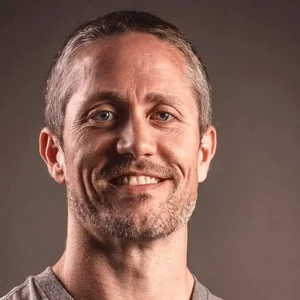
About the guest. Dr. Meg Mill is a doctor of pharmacy who spent close to 20 years as a clinical pharmacist before moving into functional medicine. She hosts the podcast A Little Bit Healthier and wrote The 7-Second Switch. Find her on Instagram at @drmegmill.
About the host. Philip Pape is a certified nutrition coach and the host of Wits & Weights, a top 1% podcast on strength training and nutrition for adults over 40, with 500+ episodes and over a million downloads. Educational content only, not medical advice.
Transcript
Why diets stop working after a few weeks
Philip Pape0:00
If you've tried keto, carb cycling, a hormone protocol, a gut reset, or a shelf full of supplements, and each one worked maybe for a few weeks or months before it stopped, then this episode is for you. By that point, most people throw up their hands and assume that something in their body is just broken, so they go looking for the next fix.
My guest today is a doctor of pharmacy who lived in that exact cycle for about a decade, and she argues the belief itself is part of what makes it so persistent. The belief that you're broken and need fixing changes what you notice, what you purchase, and how quickly you hop around to the next shiny object, whether that's a diet, a workout program, or something new on social media.
On today's episode, you'll learn how the I'm broken belief shows up even in people who lift weights and track their numbers like us, why positive affirmations often make it worse, and what to say instead, and a quick check-in to try before your next meal or workout that will help you stick with the plan you already have long enough to see it work.
Philip Pape1:14
Welcome to Wits & Weights, where in every episode, we put a popular piece of fitness advice under the microscope, find the hidden reason it doesn't work, and give you the deceptively simple fix that does. I'm your host, Philip Pape, and today we're gonna put the idea that you need to be fixed if only you had the right protocol or the right supplement or the right something, and we're gonna put that under the microscope.
When your progress hits a wall, and that almost inevitably happens, whether that's fat loss or building muscle or even just improving your nutrition, the usual advice is, "I need to find what is broken," whether that's my metabolism, hormones, gut, or just me, and fix it with the right plan or the right supplement.
Now, a lot of you dear listeners have been through many, many, many different plans and programs where you start strong. I know I do. You're motivated, and then you slowly revert to old habits or routines. You get frustrated, and you become a little more convinced that your body is the problem. Well, today we have a fantastic guest.
Her name is Dr. Meg Mill. She's a doctor of pharmacy who spent close to 20 years as a clinical pharmacist and then moved into functional medicine. She works with women who have done the clean eating, the elimination diets, the, uh, the pantry full of supplements, and are still frustratingly stuck. She hosts the podcast, A Little Bit Healthier.
Go follow it. We'll put a link in the show notes. And her new book is The 7-Second Switch, we're, which we're gonna share some helpful tips from today. Now, if you heard my recent episode on cortisol, belly fat, stress, all that, you know I'm highly skeptical when stress gets blamed on everything. But I appreciate how Meg combines the clinical experience with what the research says to make this very, very useful.
Meg, good to see you again. Welcome to Wits & Weights.
Dr. Meg Mill2:58
Thank you so much for having me today.
Spotting the "I'm broken" belief
Philip Pape3:00
So i- in your book, you... I, I, I really wanna focus on this piece 'cause I think it's the heart of so much of what, what causes people to sell things a certain way in this industry, and that is that thinking that I'm broken.
And you said that, "Thinking I'm broken drives the endless supplement buying, doctor visits, protocol hopping." I love that, right? 'Cause we're hopping protocols, we're hopping new training plans, et cetera. And if you believe that you're broken, then you always need a fix or you always need fixing. So many of my listeners might say, "No, no, no, my problem is physiology," or, "It's my metabolism."
You know, I don't believe that, right? Or many do. Many, like, concretely say, like, "I'm broken." So I suppose what I wanna ask to start is how can people recognize that they really do have this belief that they're, they're broken even though they use different language so we can define what the heck we're talking about?
Dr. Meg Mill3:52
Yes. So I think that there's two things that I want to say there. I want to-- We can definitely do that and talk about how some of these thoughts that are going through your head are, are, there's a core thought underneath. But I want to take it one step even further- Okay ... and say that that simple thought that I'm broken is actually physiologically sending your body signals to keep you in the cycle of having all the things happen that make you feel broken.
So it is a self-perpetuating cycle that happens for a lot of us, unfortunately. And so we, um, you know, part of the research and, and part of the book, "The 7-Second Switch," I give you tools in order to change that. But really connecting how your thoughts, the things that are going through your head every day, which unfortunately for a lot of us, we're th- are negative a lot of the time, we might not even realize it, are actually physiologically giving your body instructions.
And I think we think-- we don't always connect that. You know, you're thinking like, "What's the next fix? What's the next protocol? What's the next supplement or diet or workout plan? How can I," like you were saying, "fix myself from the outside?" And we're not actually focusing on the instructions that we're giving our body to do the opposite of what we're trying to fix a lot of times.
Philip Pape5:10
And you know, it's interesting when you say that. I think, I think of it bidirectionally, which, which I think part of what you're going for, right? 'Cause you said it's this physio- it is a physiological self-perpetuating cycle. Um, y- you know, I know you talk about the whole red car thing, like if you're, if you're, um- buying a red car, and then now you see red cars everywhere, right?
Yeah. A- and, and similarly, I th- so I think of confirmation bias in that context. But also, when I see shiny objects on social media, for example- Yeah ... or a new product or something, it kinda has that reverse effect. The same f- effect, just in reverse, right? It's like, do I need that, right? Yeah. And maybe I need that.
Yeah. And, and so it kinda goes both ways. What are your thoughts on, on, on that fil- the filter we have that kinda overrides the logic, I guess?
Dr. Meg Mill5:51
Always ask yourself when you see that- Mm ... like, is it right for me? And wh- and why? Why is it right? Like, if you think it, it is, like maybe it is, 'cause I'm seeing it.
Like, what will that do for me? Why is it right for me? I have so many... You know, I've been practicing functional medicine for years, and I've seen ab- close to 1,000 women. Um, and, you know, I get asked all the time, you know, "I saw this online. Should I get it? Oh, I think this," and I'm like, "No. Actually, no," because that's not for you right now.
Even if it was right for that person, it m- it might be right for that person. They may not be, like, I saying anything false for them, but why should you take it? And I think it's just like we're grasping for things, and people are, are so strongly putting it out there like, "This is the thing," because that's social media, right?
It's like you have to get attention. Yeah. And so then we're bombarded with all these things, and then they can just be another stress burden, right? Because like now I have to do all the wellness routine, I have to have all these supplements, I have to follow these diff- all five different meal plans. I have to, you know, do all the things, and then that, that's actually creating more stress on the body, which can, again, give your body signals that are opposite of what you're, some of the work you're trying to do.
Tracking your thoughts for a day
Philip Pape7:05
So signals, a good word to use, because to me, I think of- This could either be very nebulous and like, what is she talking about? Or it could be, let's g- let's track this and become aware of it. And, and I kinda wanna start there because you talk about having people track a thought for- Yeah ... like a 24-hour period and count it up, which, funny, 'cause, um, my girls, we have two daughters, 12 and 14, and we do this, uh, public speaking club called Gavel Club.
It's based on Toastmasters for adults. Okay. And one of the things I learned years ago was if someone else is counting my ums and uhs, and the more they count them and tell me how many I do, the more I'm aware and can work on them, which is, uh, I think a great analogy. But tell us about that piece of it, which probably is early in the process, I'm imagining.
Dr. Meg Mill7:47
Yes, because I, I ... So let's go back to that, where we're thinking all day long. Our thou- our mind is going, and unfortunately, we're, I don't know, conditioned to think a lot of negative things. So think about the things that you say to yourself versus the things you say to your friends, to your children, to your parents, to...
Like, if someone said the things you say internally to yourself- Hmm ... if they felt that way, you'd be like, "Oh, that is not true. Like, you're wonderful. I, like, how could you ever think that?" But we're saying those things to ourselves, and some of them we don't even know that they're unbroken. So when you were kind of bringing up, how are we getting down to that?
So I like to do, like, the thought beneath the thought to get to the, some of the cores. So some of those thoughts that are... So first of all, just becoming aware. Like, what's going through your mind all the time? Can we catch it? 'Cause we're patterned. W- we can get into something called neuroplasticity, and it's about, like, you know, the, how neurons that fire together, wire together.
And we have these neural pathways that have just been going for so long that it's like a highway, and your brain's used to it. So these thought patterns are consistent. They're comfortable even if they're not good for you. They, you feel, like, attached to them because you've thought them for so long. So- We have these things that are going through our head and, and we're so used to them, often we don't even know they're there.
So one, start to actually track. Like, what, what are you thinking about during the day? And then once you see that, to go the thought beneath the thought. So we're looking at core. So, uh, one example I like to just give because it's, like, meaningless, is sa- thinking like, "Oh, I'm late all the time." Because, you know, maybe you're running around and you have k- you know, trying to get your kids everywhere, what, you know, doing things and you just can't make it on time.
You're try- you're rushed and, and so... But you think like, "Oh, I'm late all the..." So, but what does that m- matter? So you might feel like that's your thought. But like you ask yourself, like, what does it even matter if you're late? Who cares? And then you're like, "Oh, I'm letting people do- like I'm letting people down.
I'm letting my loved ones down because I'm..." Or, "I'm letting the other people I'm meeting down." Okay, again, why does that matter? Then another core thought under that is, "I'm not good enough," or maybe even below, "I'm not good enough for love." And so those are the core thoughts. So a lot of these thoughts that are going on all day all have these core bases that are telling our body, a lot of them are, "I'm not good enough, I'm broken, I'm never gonna heal, I'm stuck, I've..."
So we have these core bases that are giving our body the signal that it, that really we're not safe and we're in danger. And when that happens, we go to the sympathetic nervous system because your body is n- can't tell the difference between I'm broken and I'm cha- being chased by a lion, really. So we have what we call the autonomic nervous system.
So, you know, I, you- your listeners are, are savvy. They've heard of you have different parts of the nervous system. We have the sympathetic, um, the, like the CNS, the central nervous system, the enteric nervous system. But the autonomic nervous system controls things that you don't automatically think about.
So your things, your, that need to go, uh, on in your body like your breath, your heart rate, your digestion, those things that happen naturally without thought are part of this autonomic nervous system, and two of those branches are the parasympathetic branch and the sympathetic branch. So parasympathetic is rest and digest, sympathetic is fight or flight.
So when we're in fight or flight, our body's getting directions, you know, run from a lion. I'm being chased, I'm in danger. And, and that gives your body instruction. So when we're being chased, when we're in danger, we're saying, "Okay, divert blood away from digestion." W- you know, don't release as much stomach acid maybe.
Maybe it's not time for digestive enzymes. Maybe we're not going to do some of the things that we want our bodies to be doing on a regular basis for health. And, you know, we can talk about kind of the cascade of somehow some of those things happen. Um, but we're, we're in this place, and so we're trying to live a parasympathetic life, but we're spending a lot of time in the sympathetic nervous system- That causes some of these downstream effects
Stress, fight or flight, and digestion
Philip Pape11:48
Isn't that so true?
As my massage therapist would say when she sent me a YouTube link to a guy that helps with, uh, very simple meditation, and I- Yeah. It's still in my inbox, right? Um, no, so y- you said a lot of interesting things there. I, I still wanna sit on the thinking the thought and acknowledging the thought part- Yeah
'cause I was gonna, I was gonna move on from that, but I actually think it's important. Um, one thing that I wanna know is how do you know? Like, how, how to know which thoughts, how do you track them? How do you even become aware of them? Because to me, thoughts often are these nebulous things versus things you, like things you say out loud.
. Um, and, and recently, you know, just to go to the public speaking thing, I had read a study where people who said, tried to calm themselves down with the, the f- the phrase, "I'm calm," were less successful than acknowledging the truth of how they felt, but in a positive way. So if they said, "I'm excited," they ended up performing better and being more confident.
So there's all these interesting nuances of, like, thoughts and reframing. So I know I just- Yeah ... threw a lot at you, but like- Yeah ... how do you know what thoughts are important to even, and how do you identify them?
Dr. Meg Mill12:48
Well, I, uh, so I think one of the things that we can do is, is feel the thought in our body, and so how does it make, how does that thought make you feel?
'Cause a thought will create an emotion, and it actually also creates a sensation a lot of times in your body. So sometimes when you're thinking of, you're, and you're going through, so first of all, like- How do you feel during the day? You know, what are you... How do you feel about yourself? How are you...
What's the pattern of, like, you feel, like what does your body feel like? Does it feel good? Do you feel energy? Do you feel like, okay, I'm a million bucks and I got this and I'm gonna do a, you know, I, I'm ha- gonna have a wonderful day? Or are you, like, thinking about your to-do list or the things that are going wrong or the things that you're not good enough or the, you know, w- how do you actually talk to yourself?
So I think once we start to really recognize that, like how are we speaking to ourselves and, and what are some of the things we're saying, and then, and then once we realize what some of those things that are repeated that we're saying to ourselves a lot of the time, then, uh, the, or the worries we can say, you know, kind of like the worries that are going through our head, then we can start to dri- you know, even after the awareness, then we can start to drill down.
And w- I do wanna kind of zone in on something that you said that I think is an important distinction of the things that I'm talking about. And when I'm doing the 7-Second Switch and when I'm talking about giving the right signals to your body, I'm actually not talking about positive thinking or, or necessary, or affirmations.
Affirmations. Mm-hmm. And I think there's a big distinction there because when that happens, a lot of times we can do that, and that works for some people, but for what I see is a lot of people don't believe them. So they say an affirmation and they don't believe it, and then you feel like you fa- like, I have done that before too, like, "I'm gonna do affirmations, I'm gonna do..."
And then you feel like you fail at affirmations and it's just like another confirmation that you're not good enough because I did all, I said all these affirmations, and then I can't live up to the, you know, they're not real and you're, you know... So it's another way we're, we're saying, okay-
Positive affirmations versus neutral thoughts
Philip Pape14:46
Okay. Wait, so kinda like- Yeah, yeah.
When you say, "I'm calm," and you're actually anxious about your speech- Yeah ... but you're lying to yourself.
Dr. Meg Mill14:52
You are, kind of.
Philip Pape14:53
Mm-hmm.
Dr. Meg Mill14:54
Yeah,
Philip Pape14:54
exactly. Yeah.
Dr. Meg Mill14:55
So you're saying, "I'm calm," but you don't, like, do believe you're really calm because you are anxious about your speech and you're- Yeah ... you're saying, "I'm calm, I'm calm, I'm calm," but you're not really calm, so it's just a contradiction that your bo- you're not really actually even believing it.
So you can say that all you want, but unless you can actually reframe, like reframe that. And, and what we wanna do when we're doing that process, like we have a whole process that we do, but what it- but what we wanna do is we wanna... I think that what I've seen said the best, which is why this is part of the process, is actually come up with something neutral.
So instead of saying like, "I'm like really excited," you would actually go to like, "I'm okay right now," or, "I'm gonna get through this," or, "I'm," you know, "I'm getting better," or some- something that's just, okay, that's not the negative, but it, but it's neutral and you can actually believe it. Like, you can s- so someone who's in pain or who's in like, you know, maybe a, like a weight loss journey that's been, you know, years, you're not gonna say...
They're not gonna be able to say like, "I got this. It's gonna ch- you know, everything's gonna be great," because you've been on this journey for a long time and, and that's not re- for like that, you've been saying, you have all this in your mind thinking, "But that's not true. But that's not true, 'cause look at what's happened."
But you can say, "I'm okay right now in this moment," like, "I can get through today." Uh, again, those kind of things that are neutral, and then we kind of can go up the belief ladder. So once you can accept neutral and you're in a new neutral, then you can, you know, g- reach for the next thing and reach for the next thing, and it's much more sustainable.
Philip Pape16:26
Yeah. Y- you know, I, I'm a victim of being an optimist, I guess. Um, no, no, seriously, like not delusional, but sometimes I can even, uh, delude myself, I guess, with, with saying those things like you said. I think of like, um, the self-esteem literature, right? Mm-hmm. Uh, which I don't know if you talk about that in the book, but like how people, the lower you are on that ladder of self-esteem, the more this is, this gap is gonna be apparent if you lie to yourself about it, and that is, I think, what you're getting at.
Yes. Which, like in CBT, they'd call that like a balanced thought or something. Mm-hmm. Um, is that what we're talking about, like the regulating truth- Yeah ... concept that you, you talk about?
Dr. Meg Mill17:01
Yes. Yeah. Because if you go too far, so if you reach- Mm-hmm ... for, like I'm having trouble getting, like let's use an exercise.
Like if you go from I'm failing and I can't get an exercise in. Like, I can't work out and I'm never gonna lose weight- Mm-hmm ... because I can't even work out this week, and I have too much to do and I'm never gonna work out, and so I'm never gonna lose weight. And you know, that's the, the... If you go to, I'm, uh, you're start a, you're, you're gonna do your affirmations and you're gonna say, "I'm gonna run a marathon.
I'm gonna run a marathon. You know, I'm gonna run a marathon. I'm gonna be, uh, someday I'm gonna run a marathon." Well, you know, that gap between where you are right now- Mm ... and running the marathon is so far that it's not sticking. And so I think that's where it, it's really finding that, like, next place that's believable.
Like, you know, I'm doing everything I can today and to, and you know, tomorrow's gonna be better. Or n- you know, next week I'll start a plan, or things that are, that can move you verse and create that new pathway. So, so one of the things that, that we're talking about, like, 'cause I tie a lot of this b- Like, for me, it isn't just, you know, it is mindfulness and it is changing thoughts and everything, but it's also the physiological response and how your body responds and the, how this w- plays out in physiology.
And so we're, we have these neural pathways, like I was saying earlier, and they've been firing, uh, it's, this is the easiest way to kinda just explain it. They've been firing for so long that it's, so it's like a highway of negative, like of, of this thought. And there, you might have heard the saying, you'd ra- you're, you'd rather be right than well.
So sometimes even if we want a different thought, like that pathway is so ingrained that it's like a highway. Hmm. So when we're creating this, we're actually, it's like walking through a field. And so you have this really tall grass in the field and you're, you know, you're kinda pushing through the tall grass, and your, this is your new thought.
And then you're like, "Okay, now I have a path. I'm walking the path of this," and then that's a road, and then that's a highway. So it's like then we have the highway of the new, you know, the new framing, the new thoughts, and that once we have the new highway, the old highway will start to weaken and we can start to pave the new highway.
But it's, it's not easy to go from that highway to the, to the new one to the new one, 'cause we're just in a field- Hmm ... right now. And so it's the pra- it's the practice and, and, you know, when you get it down, it, it takes like, I call it 7-Second Switch 'cause it takes, like, seven seconds. Not at f- at first you have to get used to it, but then you can just do it anytime, anywhere.
So it's just something that you can use all the time in order to start reframing and it really getting the new pathway so that we can start to have this, this shift. And what I found in my work is in, in my functional medicine practice, is that when I worked with people n- and did this, everything else we were doing worked better.
So it's, it's synergistic to- Hmm ... you know, eat the, eat a, eat a good plate, exercise, sleep well, you know, t- you know, e- take the supplements. But if you're doing all of that and you're still giving your body the wrong signals regularly, it's, it's not- Yeah, it's, it's, it's saying, "Okay, do these different things than we want you to do downstream because we're giving you messages."
And, and you might not just be getting as much as you can out of those things, but when we work on it together, I saw it synergistically affect people so much more.
Philip Pape20:21
Yeah, it makes you receptive, and- Mm-hmm ... I could definitely see that. I like the metaphor of the field, right? Yeah. Because it's, it's that approach of baby steps, of slowly building it over time.
And if we have any men listening to this, think of it as like, you know, digging out the ru- of the driveway and then adding- ... the trap rock, and now finally you get the as- the gravel and then the asphalt. I'm just ki- I was looking at my driveway and thinking about that.
Dr. Meg Mill20:42
Yeah, but it is. It's pretty super.
It's just like- Right, right. Yeah ... okay, we have to build it and build the new thing here. Yeah,
Philip Pape20:47
exactly. Just, um, so okay. Before we get to the actual practice and the actual- Mm ... like 7-Second Switch and all that, um, just a couple more things come up because I'm sure people are thinking, "Well, what if there are things that are true?"
Or, "What if there are things that I'm not sure how to rephrase it or what to say?" So for example, and I know you have examples in your book, uh, of- Mm-hmm ... a woman who's in, you know, 47 and perimenopause and like she, she's con- convinced that that's the reason she can't lose weight. Or like somebody who's just 30 pounds overweight, and they, and they have a target weight.
Or, you know, a lot of it comes down to weight loss. Uh-huh. But it's, it's whatever I do it's not working, so it must be something else, therefore I need to get hormone testing or I have to do something. Like- Yeah ... h- let's address some of those scenarios. Okay.
Dr. Meg Mill21:27
Yeah. 'Cause I can give you like s- I can give you concrete examples for both of those.
Yeah. Cool, cool. Like- Let's do it ... yes. Okay. So let's go. Let's kind of just like walk through, 'cause the, the second half of the book, so the first part is the 7-Second Switch. But the second half of the book is the CELLYRA Method. So now I actually, at this point I open the Women's Functional Health Institute and I certify women's functional health practitioners.
So I have a, a practitioner certification and, and in that to create that I had to spend years of like what am I actually doing to make, to, to get these results that I was able to get amazing transformations. And so I had to create, I created systems because the, the training is very practical. I want people to say, okay, a woman comes to them with all these different things, like how do we actually get results?
So one of the, in the, in the certification we put a lot of systems together, but one of the things that, that I really studied for a long time was what is the order that benefits us to where I see these healt- like huge health transformations. And so the second half of the book is called, and, and the, what I named it, was the CELLYRA Method.
And the second half of the book actually is the CELLYRA Method and walks you through those steps and gives you things you can do. So what... So I'm gonna k- I'm telling you that to give you the background of, of how we, how we're gonna look at this. So okay, you're, you're in perimenopause. We'll g- do that one first.
Those are perfect examples because they, they both happen all the time. So you're in perimenopause and every symptom you have screams like, "Oh, this is perimenopause," 'cause you're seeing online it's perimenopause, it's perimenopause. And yes, your hormones have shifted. So a lot of times in perimenopause your progesterone goes down.
First, and you have in your estrogen dominant. So you think, I'm in perimenopause, I'm gonna go get a test. Maybe you get a DUTCH test, that's a, a good hormone or blood work or something. And you see... You're- you go to maybe even a practitioner and they see, oh yeah, you are estrogen dominant. So they put you on DIM.
So estrogen has three phases of metabolism, two in the liver and one in the gut, and DIM helps the first phase of metabolism move the estrogen down a, uh, the CYP1A1 pathway in the liver to excrete it. So when you have estrogen, you wanna l- use it and lose it and get it out of the body. So okay, that's your problem.
You have all the symptoms. Maybe you have the heavy periods, the breast tenderness, you're gaining weight, you know, all, all the things. Estrogen dominance. You have the DIM, that's your thing, like we were talking about. Your... You got your fix, you got your protocol. So you take the DIM and you don't feel better.
Nothing changes. Or maybe you feel better for a few weeks and then you're back. And that's because in that space, that DIM wasn't the wrong thing. It wasn't, uh, you know, looking at that one test, looking at where your hormones are, it could be th- you know, it could be a, an, an option for you that w- looked like it should on paper.
But if you're not addressing all the things upstream, so we go backwards. So okay, let's go b- I wanna go back to the beginning. So we're calming the nervous system, giving your body the right messages so that you are able to digest and absorb. So if you're in the sympathetic dominant system, if you think all these thoughts, if you're being, you know, chased by a lion all the time, you're b- you're telling your body to not digest and absorb your food as well.
So you're saying, I have prioritized that I have to run, I'm not gonna digest right now. We can go into the dynamics of that but we don't even have to. So if you don't digest and absorb the food you eat, even if you eat the perfect plate And you might not be getting the nutrients that you need for building blocks, blocks for hormones.
So you have all of these nutrients, maybe you're eating your cruciferous vegetables, you have your flaxseed, you've got your protein, you have all of these things that are, you know, supporting your hormones, but you're not digesting and absorbing them very well. So you need to ha- be able to digest and absorb.
Have you checked that? Then we, you know, we have to... How are you eating? Are you getting the right nutrients? Are you getting a variety? Are you getting protein, healthy fats, carbohydrates? We need to load nutrients. And then we also need to el- ha- li- liberate elimination pathways. If you're not going to the bathroom daily and you're pushing DIM, like you're, you're using DIM to push your estrogen down a pathway and you're reabsorbing it because you don't have a daily bowel movement or, or at least one daily bowel movement, you're just pushing it to a different place and reabsorbing it back up.
Uh, so we have to make sure. And then we have to be able to yield metabolism and make sure we're getting enough energy in our cells, we're balanced, i- our insulin's balanced, all of these other things. So when you look at it from that direction, yes, that... the ho- the hormones can be off, but you're not giving yourself all the building blocks to have the, you know, the good liver health, the elimination pathways, the nutrients, the digestion absorption, the...
all the things that are setting you up. And that's why that thing isn't just your answer. It's, it's getting all the pieces in place to really balance the body again. We have a word called homeostasis. The body wants to be in balance. And so when we do the things in the right order, we balance the body, and then we see long-term tran- health changes.
The CELLYRA Method and perimenopause
Philip Pape26:21
This, this is very consistent with what you're talking about with the experience of people where... A- a- and sometimes they don't even know how they get to an improved state. Like, you, you lay it out very concretely, and you have steps, which is what people need. But sometimes, you know, somebody's life will change, and they'll all of a sudden just have a less stressful life, you know?
Like, for whatever reason- Mm-hmm ... their job or their family situation, and, and the weight starts to drop off, and you're like, okay, there's something to be said about the synergy, like you said, between the nervous system and all this other stuff. And maybe you're doing three or four of these things, but there's two others that are big, big pieces of it, right?
So, would you discourage somebody to... So that they can avoid, like, hopping around from protocol to protocol, would you encourage or discourage something like blood work?
Dr. Meg Mill27:07
Well, I encour- so I encourage blood work. I think it's- Yeah ... I think that it's a great tool. It's just that...
And I do run l- labs. Like, I think- Of course. It makes sense ... that that's an important thing. However, I just think that you can't look at that in isolation, and sometimes we're looking... Like, I call it upstream and downstream. Mm-hmm. So, you know, when you have a stream, you, the, the water's flowing in a, in a certain direction.
So if you're, if you do things on the upstream, you can flow down the stream and, and say, "Okay, we're doing it here, and it's flowing into everything else." If you're working downstream, you could be working on this thing, but all this other stuff that's not resolved is still going on, giving the, you the messages and the, and doing the things that you don't want.
And so you're just not getting the same kind of results. Mm-hmm. So that's why I was kind of using that as an example because, you know, okay, they came in. So I think a lot of people are chasing symptoms. And so it's like- Yeah ... "That's it. I have hormone imbalance, and I know it." And so we're running the test, and that's what we're gonna address, and we're addressing this one thing.
But, like- Okay, your house, and if you put the walls up and you put the windows in, but you don't have the foundation laid, like it's not gonna stand. And so we need to look at everything, and we need to say, "Okay, what are the things sometimes that we move back to for the foundations?" And when we get all, all of those things, the house can be built and it's beautiful and it, you know, you're h- Yeah
it's comfortable and all of the things. But I think we're, we're kind of trying the walls and the windows sometimes before we have the foundation laid.
Philip Pape28:34
Yeah, so true. Like, um, you guys need to follow Meg's podcast. She, she had me on and there's similar conversation came up about like the boring basics, but also the fact that root causes can be multifactorial here.
And, you know, the, the nervous system piece is one of those factors that sometimes people just neglect altogether. Um, and, you know, y- you gotta have both, right? Synergistically. So going back to your, like the CELLYRA method there, the first two pieces, I wanna focus on those a little more. Mm-hmm. The calming the nervous system and engaging digestion.
I wanna go in reverse order actually. Uh-huh. Just, just for a second, because the engage digestion piece hearkens back to when, when I was first getting into n- nutrition world put your fork down before you, each bite and, you know, the classic, like, how to slow down your digestion.
And I could tell you, you know this, Meg, as much as you give this advice to people, people are gonna scarf down their food. And whether they like it or not. I know. Yeah. It's gonna happen 'cause they have kids. Yeah. It's gonna happen 'cause they eat at lunch. Yeah. It's gonna happen 'cause they're in a hurry.
No matter what they do, they tend to do that. Um- Mm-hmm ... so this, this chewing 20 or 30 times and having, you know, enough meals where you can spread out the digestion, I'm sure there's a blood sugar and insulin glucose aspect to that as well, plus for your training, blah, blah, blah. Like, what's the biggest tip you have when it comes to h- how do we engage digestion in- Mm-hmm
in the most efficient way?
Slowing down to digest your meals
Dr. Meg Mill29:49
Yeah, and I think that there's so many factors to, you know, what it takes to actually digest and absorb food. But one- Yeah ... you know, if you're just like, "Okay, I want a simple tip, like, what can, what can I do?" Take... I mean, this is, so I, I actually, the funny thing is I've had people that I've worked with be like, "I, it's, I'm really struggling.
You know, like, it, it like, it's almost, like, stressing me out to have to chew that many times." We don't want that to be a- I'm too stressed
Philip Pape30:12
to slow down my
Dr. Meg Mill30:13
eating ... tip. What are you talking about? That's what I'm saying, like, stressing me to slow. But, you know, one other thing, like an easy thing that you can do is just s- try to take three deep breaths before you eat.
So, you know, sit down in your chair. Like, uh, first of all, I was doing the, I was, like, standing at my island throwing food, you know, s- like eating after my kids, like making them food and then standing there and eating and then be like, "Oh, my stomach hurts so much." And you're like, "Yeah, because you're, like, scarfing food down at an island after you, and then you're running out the door."
And so, like, okay, what's, how are you... You know, at least get your plate, sit down, and eat, and, and eat. And then the, then just see if you can just bring yourself into a calm place a little bit. So just try to take three... Our breath is so powerful. Mm-hmm. I mean, we, I don't think we even realize how powerful breath is.
And so that actually can send messages just that you're calm. So, you know, if you, if you take a deep breath... So you want, we're, a lot of us chest breathe because we are anxious a lot of the time. So you wanna make sure you're taking, like, a deep breath through your belly, like put your hand on your belly even at first and see, like, okay, does my belly rise when I'm taking the breath?
And then just even try to exhale. Sometimes if you exhale longer than you inhale- Mm ... that also can be a, re- reset the nervous system. So breathe in through your belly. Slight hold at the top, and then exhale longer than you inhale, and just do that three times before you eat. I mean, you can... It doesn't take l- it takes less than a minute, and, um, that can just set you up to a more calm space before you're starting to eat your food.
Philip Pape31:39
That's a great tip because that is also good advice before anything that- Yeah ... gives you anxiety. Anything at all. Taking a test, job interview, whatever. Uh, and, and, and you're right about the exhales. They're like, um, the research I think supports what you're saying, is that, like, it slows your heart rate or something.
Like, is that what's happening- Mm-hmm ... with that
Dr. Meg Mill31:58
long exhale? Um, it also c- it also activates the vagus nerve, so it- Yeah, makes sense ... it, it, yeah. Mm-hmm. So it, it's- Yeah ... yeah, so it is. It's, it's just saying, okay, you're doing that, and you're just th- you're thinking about your breath, you're slowing it down, you're exhaling longer, and so we're calming the body before we eat, um, which can just set yourself up to have better digestion when you're eating your food.
Philip Pape32:20
Cool. All right. So now backing up to number one, calming the nervous system, 'cause we kinda glossed over it earlier, but the, the 7-Second Switch, which again, I'm not just blatantly promoting Meg's book here. I think it's a really good, like, set of steps to follow. Um, and I'm sure you're fine sharing those on air, right?
Yeah. Mm-hmm. Like, people can buy the book, but also- Yeah ... let's share. Um, we're gonna, we're gonna start with number one. Uh, actually, why don't you tell us what they are? Okay. I have the list, but
The 7-Second Switch, step by step
Dr. Meg Mill32:44
you- Yeah. Yes. So, um, yes, and, and we go through, like, in-depth i- in, in the book, but then as you get practice, it goes really fast, and I- Mm-hmm
and, and so let's, um... So first you're going to think about your thought. You know, just like we said, even think, "Okay, what are my thoughts?" So we, you've done that, you know, your core thoughts. You wanna think- Hold on.
Philip Pape33:03
We can't pass that one. Ah. I'm gonna, I'm gonna interrupt you. I'm laughing. And
Dr. Meg Mill33:05
we're going back.
We're going back. So this is- Okay. ...
Philip Pape33:07
this is the, the truth about me thought.
Dr. Meg Mill33:09
Yeah. Mm-hmm.
Philip Pape33:10
What if it is tr- what if it's a true factual thing? I- in other words, like, how do, how do we make sure we're
Dr. Meg Mill33:15
focusing on the right- Yeah, we're, we... Oh, we're getting there.
Philip Pape33:17
Oh, oh, okay. Yeah. Yeah, yeah, yeah. So even if it's like- Yeah
"Okay, I'm 30 pounds overweight," like, that's your thought. That could be the thought, the first thought?
Dr. Meg Mill33:23
Yeah. But is it... So, so again, even if it's 30 pounds overweight, like, are you really 30 pounds overweight? Like, is that a, is it true? Is it tr- like, what, in that- Right ... there also is a qualification of what you consider overweight.
Philip Pape33:40
Exactly.
Dr. Meg Mill33:40
So you're just saying- Good point ... you're 30 pounds over a weight that you want to be. Um, but are you actually 30 pounds over healthy weight? Is it never gonna cha- you know, so it's not... So okay, so the, the, the pro- okay, let, let's even go there, because the th- I'm 30 pounds overweight isn't the core thought.
The core thought- It's not
Philip Pape33:58
the harshest thought, is
Dr. Meg Mill34:00
what you're saying ... No, because- Okay ... the core thought is that I'm, that I'm not good enough because I'm 30 pounds- Mm-hmm ... overweight. Okay. And the, and, or, like, I'm, uh, I don't, I'm, I mean, I'm just gonna throw this out. I'm ugly or I- I'm a big
Philip Pape34:12
fat slob, whatever
Dr. Meg Mill34:13
something like that ... like you could say those awful things about ourselves. Yes. Yeah, yeah, yeah. Yeah, so where those are the actual core thoughts, and so those aren't true. You know, it's not, those aren't true. We just believe them. Mm-hmm. So, so you get to that thought. We get to that thought. So then we feel the thought in our body, because again, these thoughts, we do carry this in our body and we're not even noticing it.
So you feel like where- Mm-hmm ... you've, once you really, like, are in a place where you're really, like, feeling that, you know, have that thought, you hold it, you feel it, and then you see where it sits. So, like, a lot of times for me, it will sit in, like, my shoulders or my neck. Some people, it's their belly.
Sometimes it's tightness in your head. Like, where is that landing in you? And s- and then you q- then this is a big step, what you were asking, you question the truth. Because 99.9% of those thoughts are not true, they never were, and they were just thoughts you've been thinking so long that you believe them to be true.
Mm-hmm. So a thought you keep thinking, it turns into a belief. But it wasn't ever true in the first place, so we question it. So is that really true? Like, are you, you know, not worthy? Are you broken? No, that's just something that you're telling yourself. You can't prove it. So, so we question the truth. So and that's in a very important step, because once you question the truth, you realize, like, you don't have to hold that thought, because that thought isn't your truth.
It's, it's just your thought. Um, and so once you realize that you can separate that, 'cause that that's a thought, it's not, it's not you. And then we remove it. So then you do a somatic where you e- you, like, pull it from... And I, like, if you're alone, if you're, if you, you kind of imagine it if you're around people, but, you know, you pull it from your body.
You sw- you can swipe it from your mind. You g- actually, like, sometimes you cut it off and, like, get rid of it, and remove that thought. And when you f- do that physically, you're physically removing it, you actually can feel a sh- you know, you feel the shift Um, and then when you feel the shift, then you come in and that's when you do the replacement.
And again, we do the replacement of something neutral, something like you can believe, you can input. And so then, so you, you bring the new thought in, and then you do the br- the deep breath. So then you put your, your hand on your belly and you breathe in, you hold at the top, and you exhale longer than you inhale.
And so- And you say
Philip Pape36:22
the thought as you do that?
Dr. Meg Mill36:23
You can say the new thought as you do that. Yeah. Yeah. And then- And then two minutes later, it's, or 30 seconds or whatever, your mind's gonna get, say like, you're gonna, you should feel a shift. And then it's gonna be like, "But wait, ugh, I am 30 pounds overweight."
That thought's still there. "And I know I am." Okay, I see. Yeah, yeah, yeah. 'Cause it's still there. And that's why I want, I wanna throw that out there because, you know, doing it once is, you're, you're, you have that highway already. You've built it. So it's the repetition. It's just you keep doing it, and you keep doing it, and you keep doing it.
And then you're like, "Oh, you actually can shift these." And once you shift them and you have a new story and you have a new message and your b- you know, you're giving your body new signals, it, it just can really help you make some of those changes that are circle, you know, you're circling through because of The, the chicken and the egg of some of these dynamics
Philip Pape37:12
Yeah, so it's very, super practical, simple, like you said, seven seconds and maybe it takes five seconds or whatever as you get better at it.
Dr. Meg Mill37:19
Yeah.
Philip Pape37:20
What, so mechanistically, like in your practice or in, in someone's routine, um, I believe in your book you talk about, like, the amount of time it takes, probably like a habit, right? Like several weeks- Yeah ... to, to-
Dr. Meg Mill37:31
It,
Philip Pape37:32
I would- ... build that habit ... yes. Mm-hmm.
Dr. Meg Mill37:33
Yeah. It takes three to four we- you know, and, and like a fr- you know, you might get like, oh, is this, you know, get like, this isn't working at first.
And then it's like, oh, wait, it start, you start to see the shift. And, and we all have, it's not like, oh, now I don't do it. I have a new thought that comes, comes up that it's like- Yeah ... this isn't serving me, you know? And it, and so, but I know I can go in so fast now because I, I'm aware of my thoughts and I d- you know, do this, that it's like, oh, now I can, when that thought creeps in, it's like you can get it.
I can actually, I've been doing it for so long that I can actually also feel like it in my body. So before it even registers for me at this point that there is something that, like, that thought started, I can like start to like, uh, what shift, like what shifted in me? Like, why, I was fine, why do I feel like- Hmm
you know, tension or tightness now? And then it's like, oh wait, I just got that email, or oh, I just heard that thing that, like, that bothered me. And I can go right back to that thing and, and think, and like re- like do, get rid of that thought and, and realize like, okay, then move on and get rid of it. So it, it's, you get so good at it that then you're not getting these highways.
Um, but it is interesting when you can, you get so in tu- tune that you can feel it in your body. It's, um, before you even recognize that you're thinking it.
Philip Pape38:46
Yeah. The, the, the thing about email is interesting, right? Because now y- you're pointing out the fact that external things and devices, technology can bring those into us- Yeah
and remind us again. Um, or thinking about what your boss, you owe your boss at 5:00 PM on a Friday when you're just ready to relax, you know? Yeah. For the, for the weekend, and it just all of a sudden, I know I, I will feel things like that in my chest. It's kinda like this overall heat, you know? I kinda get- Yeah
this heat and tingle, and I know what you mean, gonna be attuned to that. Okay, so, so here's another interesting thought then, um, is A lot of, a lot of our listeners are doing a lot of things, and you've alluded to things that we do, right? We, we might be lifting weights and tracking food and taking supplements and kind of built this up over time.
You had a story in your book, I think, uh, Sarah might've been her name, uh, who went through a ton of, like, functional medicine protocols, antimicrobials, all this, and I think you told her to stop everything- Yeah ... and just, like, do this thought thing for a while. I like that idea of stripping back. Um, you know, we talk about that in food and, and other, like elimination diet, let's say- Mm-hmm
for your stress. Uh, w- so for those listening, think about our typical listener. I- is there something that a lot of people are really just doing that maybe, hey, let's, let's cut that out maybe as an experiment and just focus on this? What, what rises to the top?
Sarah's story and stopping every protocol
Dr. Meg Mill40:00
Yeah, so I think with, with Sarah n- in that story, like she came in...
You know, sometimes people come to work with me, and they're, they're coming and they wanna change, but they come in and they're like, "Nothing's ever..." She, you know, she started with, "Nothing's ever gonna work for me." Like, "I'm not sure why I'm here. Nothing ever works for me." Yeah. And it was like, okay, so we have a negative belief already.
It was pretty clear that it was like she wanted to feel better, and she was even paying me to work with me to feel better, and she'd worked with a lot of other practitioners without success, but she was s- already had a belief. And it was like, okay, we tr- like we worked on this, and then she started feel- like I think the neat thing about that story is she started feeling better with, like once she stopped everything and just worked on this because she was so, that belief was so strong and was creating a, some of the dynamics that were causing the other symptoms.
Um, and so w- I think it would be more like rather than saying this, like everyone should stop this one thing, it's, it's kind of going back to like how do you feel about what you're doing, you know? If, if there's something you're feeling that- Like, "Ugh, I do this, but I don't think it's worth it." Mm. Or like, "You know what?
I track my food every day, but it drives me crazy to track my food," or like, "I hate getting on the scale. Like, I weigh myself because I wonder what I weigh," but like stop that. You know? Just stop it for a couple weeks, work on the re- you know, rewi- framing the signals and, and rewiring and see if, you know, that...
Because if you're, if you're doing it and you're p- like sometimes- Mm ... we don't need to push harder and do something that feels resistance. It's like, why are you doing it? And, and just even giving yourself a break from that for right now could be the best thing.
Philip Pape41:44
That's really good. That's really good advice, especially the scale and the tracking food come up all the time.
Mm. 'Cause, you know, I, I, I tend to wanna ask people, like, like why does it make you feel that way? You know, why do you feel... Because you have people over here that do it and they're like, "This is the best thing since sliced bread, 'cause look how helpful it is and how I'm using the data," and blah, blah, blah.
And others are like, "This is just, I'm so obsessed. I'm always screwing up. I'm blah, blah, blah." So I, I like that idea, 'cause then you could reframe it. Maybe you do want to use that tool, but do it in a new light, and maybe you're like, "I don't actually need to do this thing at all." So that's, that's powerful.
Let me ask you, I was thinking about lifting weights, right? And y- Okay ... we were talking about the meal thing. Mm. Going back a little ways about the, the, the check before you eat and then taking the, the breaths. I talk all the time about like people's mo- uh, biggest a- anxiety lifts. Yeah. And squat is like- among the top.
Um, so is, like, Bulgarian split squats and stuff.
Using it before a hard squat
Dr. Meg Mill42:38
Yeah.
Philip Pape42:38
Um, I don't know how much of that world you're in, but, like, I almost think this tool could be used right before you do something like that. Yeah. Like, a check before.
Dr. Meg Mill42:46
Mm-hmm.
Philip Pape42:47
Do, do you agree? Like, what are your
Dr. Meg Mill42:49
thoughts on that? Yeah, I agree. Especially, so you've- Yeah
so, so in that space they're saying they feel anxious about the doing the-
Philip Pape42:55
The particular lift. It's like, "Oh, today is squat day, and now..." And it, it sometimes becomes an excuse not to do it.
Dr. Meg Mill43:01
To do it. Yeah. Right. And so why, I, if you know from people that are telling you this, is there a, does it hurt them? Is it that they don't feel they're good at it?
Do they feel like they're gonna get hurt? What, what is the it behind the feeling, do you know? This
Philip Pape43:16
is totally anecdotal. I would put it's really hard at the top.
Dr. Meg Mill43:20
Yeah. Okay.
Philip Pape43:20
Like, it's just really hard. Hard,
Dr. Meg Mill43:21
yeah.
Philip Pape43:21
Right? And then, but injury I would also put up there- Mm ... probably as a close second. Yeah. So yeah.
Dr. Meg Mill43:26
Okay. So they're afraid in that case. I mean, I guess if you do, like, a deadlift wrong, you could hurt your back, or you can p- you know, you can... Um, so yes, I would say you can definitely do it, like, before your li- your lift, for sure. You could do the, the whole 7-Second Switch, like, you know, to reframe that.
And you also could just even take, you know, like you're saying, if you can't do... Like, d- take some deep breaths before you do it, and just actually get yourself in a calm place to be more, like, in that parasympathetic nervous system when, when you're doing it. And then also, an- like, another step, and I don't...
You probably tell them this, but, like, maybe go down a little bit and wait until you feel like you're really strong in that space. That's not
Philip Pape44:11
an option,
Dr. Meg Mill44:12
Megan. No. That's not an option. No, okay. I'm just
Philip Pape44:13
kidding. No, all right. I'm just kidding. No, no, no, you're right. Well,
Dr. Meg Mill44:15
the, the- No, but I- I'm just like... Yeah, yeah
push yourself. I get it now. I- The- You're wanting to build muscle.
Philip Pape44:20
Yeah. Well, the reason this is so, such an interesting, thorny question is there is a lot of anxiety people have over lifting, especially when it starts to get heavy- Yeah ... which is what you're alluding to.
Dr. Meg Mill44:28
Okay, okay, yeah.
Philip Pape44:29
But also, like, sometimes you need to be amped up a little bit and, like, there is a s- sympathetic response that- Yeah
that's helpful during the, like- Mm-hmm ... in fact, the act of lifting weights is very, very stressful. It's sympathetic, yeah. So then you're like, is it counterproductive? Kind of like too much stretching can be counterproductive to a lift as well, you know?
Dr. Meg Mill44:47
Yeah. So when I'm looking at it, I'm kinda looking at the overall, like, what is- Yeah
the thing behi- like, the thing behind the thing. And so it's kind of like, yeah, 'cause, 'cause some stress on our bod- like, hor- hormetic stress, which is lifting, um, is good for our body. So, and, and we do want to have that. Um, so yeah, I think I would go into, like, maybe the... So then maybe the thought reframing right then, and like, okay, why can't you?
Like, what is it that is your block that is... And, and just work through the block. Because you wanna make progress, you wanna lift more to make progress, so what... Like, kind of identifying even, even starting, like, back where we talked about earlier, like, the thoughts that are going that are resisting you- Like causing you resistance, like what, what is that?
Why are, why are you d- like dig beneath the, the thought of like, "I don't wanna do that. I'm afraid." Okay, but what, like what is really the, the base? And then that's kind of like where you can clear the block.
Philip Pape45:44
I, I think you, you make it a great point. And, and honestly, if you, if you think, if, dear listener, if you're listening and thinking about this and relating to this, like when do these thoughts occur?
They probably predominantly occur not right before you do the squat necessarily, but at many other times where you can- Yes ... work on it. And then like once you get into the session, you're probably pretty darn close to having a high probability of doing it- Yeah ... at that point. It's before. So then it's maybe a different situation- Mm-hmm
of like, all right, now I just gotta do it. Um, okay, so a science-y question, because you mentioned digestion earlier, which piqued my interest about the, um, secretions. You talked about absorption. Like I wanna, I wanna understand that a little more and, and if you don't like know all the science or studies, that's fine.
But like there are definitely a lot of debates about the gut and digestion and blood sugar and like that compared to energy balance and how it all works together and what, what we mean by that. So when you talk about how having a high level of stress affects digestion and absorption- Somebody might hear that and say, "Oh, that means I won't absorb as many calories.
That's a good thing, right?"
Stress, absorption, and calories
Dr. Meg Mill46:47
No, yeah.
Philip Pape46:48
So like, what does that-
Dr. Meg Mill46:49
I'm talking about nutrients.
Philip Pape46:50
You know. Yeah. What does it mean really, and is it, is it that big a deal? And I, I say that earnestly. Like it doesn't matter that big of a amount in terms of like the amount of micronutrients and calories and stuff, or is there another concern that's really more important here?
I'm just curious.
Dr. Meg Mill47:03
Yeah. Well, yes. Okay, so you're... Because we need the build... So really like our body, our body's full of like pathways and building blocks, let's say, to, to simplify. Mm-hmm. And so in order to have the functions that we need to have done, so like in order to build muscle, you need amino acids and you need pr- you know, like, so you need protein, but you need the amino acid building blocks.
Um, we need, in order to build hormones, we need certain w- like micronutrients. In order to have your thyro- like a thyroid controls weight too, so we need different nutrients like zinc and selenium and iron and vitamin D. So when we're talking about that, we're talking about the absorption of the, the building blocks that we- Mm-hmm
we're not talking necessarily about like the, the calorie units- The energy ... but like more of the energy. But the, the building blocks. And so when we're w- we have a digestive process. So we w- you know, the full digestive process is like all the things happening well in order to get the food digested and absorbed, and when we don't have some of those things.
So like you need enough stomach acid in order to break down protein. So if you don't have enough stomach acid in your stomach when you're digesting, you're not going to denature proteins as well. And when you don't denature proteins as well, they can't absorb into your body as well for your, you know, your building blocks.
And so things like that, you know, we need our enzymes to... We have enzymes that help break down fat, protein- Carbohydrates. So if, if our pancreas doesn't release as many enzymes, we're not breaking those down as well. We have bile that binds to fat to help fat be, you know, ta- like taken out of the body. So we're not getting the, the bile released.
So it's, it's all... and, and toxins and all of those things. So it's all the functions that are helping you to digest and absorb those building blocks in order to create the functions that you need downstream in order to, to have your body functioning ideally.
Philip Pape49:00
Okay. No, that makes a lot of sense with the enzymes and the breakdown and also nutri- I don't know if nutrient partitioning is the right phrase in this sense.
Mm-hmm. But, like we definitely talk... There's definitely a lot of mystery people have about, you know, I'm eating the same amount of calories as the person over here who's the same size and age as me. Yeah. But like something's off with my calorie deficit or ability to lose weight or ability to burn so many calories, and there are all these subtle things that add up to that metabolism stack, not, not, not just- Yeah
on the outtake, but on the intake side. Just like when you eat whole almonds versus almond butter, you're probably gonna absorb... You're actually gonna absorb less in the almond- whole almonds because your body has to like take longer to process. Mm-hmm. That might be a benefit in that sense, you know, from a energy perspective.
Um, but I think this is, like you said, it's all synergistic. This is where it comes in, and people should, should look into that. Cool.
Dr. Meg Mill49:49
Yeah.
Philip Pape49:49
Mm-hmm. Anyway,
Dr. Meg Mill49:50
um- Yes. Well, it's interesting. Yeah. I can give you like another little fun fact. Sure. Sure. So, um, the... it's old science. I like to share that. This isn't like new science that people are- Yeah ... it- it's just not talked about a lot. So Pavlov from... The Ivan Pavlov from Pavlov's dogs actually won the Nobel Prize for physiology of digestion.
So he was actually studying digestion and these processes when... but we all think of him as conditioned response and the bell with the dogs. So, it's, it's a little fun fact of like- Yeah ... that that's actually comes from, you know, his research. The saliva
Philip Pape50:22
and all that. Interesting. Mm-hmm. Yep.
Dr. Meg Mill50:23
Mm-hmm.
Philip Pape50:24
Well, personal question for you is like when's the last...
You, you said you work on this a lot with yourself, and you've become almost, um, automatic on how, how well you can do this, which makes sense because it's a skill. But like what... Would you mind sharing a thought you've had lately or like something you've worked on that- You know, if you wanna get a little vulnerable and- Yeah
help us understand you going through that process.
Meg's own self-doubt
Dr. Meg Mill50:43
Yeah. So, I mean, I started a new... So I had a really successful fun- functional medicine practice where I was working with people all over the world and, and I spent two years, um, creating the Women's Functional Health Institute. So it's doing amazing. I'm training practitioners, and they're doing wonderful, but I had to restart a whole new business.
Hmm. And so it was like I had this su- successful business, and then it w- it's just my passion, like I, I wanna reach women. I think women need this, and I love educating. But at the same time, it w- it was a huge lift. And so, you know, then I'm starting... You get to a point, you're like, "I'm gonna do this," and, and I'm, you know, committing, and it, it, like I said, it took years to build.
But then I start having those like, "I can't do this. I'm not good enough." Like, how can I t- you know, how can I be the one that, that's going to train other people? Like, how can I... You know, and, and so you just, like all of us start to get that self-doubt. And so, and so it's like, okay, no, people are d- like, people are doing amazing.
W- I'm getting great feedback and, and wonderful results at this point. But starting that, you know, I had to get people to believe in me before I could get resu- You know I can say like, "Oh, look, we're getting results." But before that time, it's like, okay, how am I gonna get people to believe in me, and how am I gonna believe in myself in order to e- really be able to lead this, um, the way I want to?
And so, you know, I don't think without that I could've, I could've done it because it is, it's just like, okay. And, and that's, like, a bit... But it was, it was a whole new thing and then a whole new level. We can get self-doubt in, in different ways through the way so that we're progressing in, in life. I mean, it, it happens physically.
It happens, like in a l- in a lot of different ways too.
Philip Pape52:22
That's amazing. And, and it, again, being the optimist that I am, I see that as, you know, you were challenging yourself further than what you had done to that point. In other words, you were confident in something that allowed you to go into th- this foray of a new business, but then because of the differences in the business or whatever, um, it challenged you in a new way, and it gave, gave you anxiety that you had to deal with, which is a never-ending thing for human, like, pursuit,
Dr. Meg Mill52:46
right?
Yes.
Philip Pape52:47
To the daily diet. In fact, if you're, almost if you're not feeling that at some point, maybe something is not happening in your life. Yeah. We
Dr. Meg Mill52:53
needed, we needed to grow. We see how it evolves, yeah. And so that's where it's like, it's... And so that, so it's good to a point, and, and I'm able to work through it.
But I think, um, there were points... So going back, because I, I also think then hearing something like that, people are like, "Oh yeah, but you're here now, and you were str- Mm-hmm. Mm. Like, there was a point in my life, that's how I'm here now, is that I did have that like I'm never gonna get better, I'm never gonna get answers, I'm broken, I'm, you know, I- no one believes that I feel, like, feel well.
I'm never gonna get my way out of this, which has created this li- years and years and years of journey for me to go through all of these things to get to where I am. So I do wanna bring that in too, because I created this actually out of things that I actually did myself, um, and then brought it into, like, my practice in a specific way.
But, but it is, um, through work, you know, that we, we all have a journey. So if you're like the, okay, you know, I, I think sometimes you see people doing this and saying it at this point, but I, I have been there too.
Philip Pape53:59
Yeah. No, I totally, totally can feel that. And, uh, uh, everybody listening I'm sure is at somewhere in their journey along that road.
I think this is applicable to so much more than the health and fitness stuff too, the way you're talking about it. Because if any- if, if you're listening and you think about a success story in your life, like even the smallest one, and go back and think how you probably had doubts before that point and then didn't after.
Whether you had this process to go through or not, I mean, you can see how valuable it is and the confidence you build from, like, breaking through that wall. Yeah. You know? And some people do it just 'cause they're, like, so passionate and they wanna do it and they, they make it happen. Like for me, it was, I used to be an introvert, and I'm like, "Okay."
I, I told myself, like, "I, I, I s- I suck at talking. I'm an introvert. I'm an intro..." Even saying you're an introvert is, is like a, could be a negative thought that's not true, so to speak. And then it was like, all right, but I feel like there's something that can be done here, right? And, and I think what you're saying, Meg, is there's something we can do to take control of the situation, to build confidence.
It might take time, it's a process, but you can do it. You can do it.
Dr. Meg Mill55:02
Yes.
Philip Pape55:02
Absolutely. Okay. All right.
Dr. Meg Mill55:03
When... I have faith in you. Exactly. Philip has faith in you, yes.
Philip Pape55:08
We all have faith in you, for sure. Yes. Have faith in yourself. So where, where can folks reach out to you? Um, we wanna share the book. I don't- Yeah
it's not an affiliate link. I just want you guys- Yeah ... to check out Meg's work, and then where they can find you.
Dr. Meg Mill55:18
Yeah, so The 7 Second Switch can be found on Amazon if you search it, but you can also go to the number 7secondswitch.com and we have some free gifts, and I actually walk through an audio with you and, and we have some other things there t- too, so if you wanna get it there.
Um, my personal website is just megmill.com, M-E-G-M-I-L-L.com. I have the podcast, A Little Bit Healthier, so yeah, come over there. Join, uh, join that family too. We'd love to have you. And, um, if you have any interest in, you know, helping others, the Women's Functional Health Institute is Woman- is womensfunctionalhealth.org.
Um, you can find everything about the institute there. It's, it's just been such a blessing in my life, so you know, I, I, I love sharing that and lifting other women up there too. And I'm over on Instagram at Dr. Meg Mill. It's just D-R, um, M-E-G-M-I-L-L.
Philip Pape56:08
All right. So we got five different places to send folks to.
Yeah. We'll put those in the show notes. 7 Second Switch is the book, megmill.com and Dr. Meg Mill online. Of course, the podcast, A Little Bit Healthier, and the Women's Functional Health Institute. Uh, Meg, it's been a pleasure. It's been great collaborating with you. Go follow Meg's podcast right now. You get a lot of other amazing episodes there, and thanks for coming on Wits & Weights.
Dr. Meg Mill56:29
Thank you so much for having me.