Wits & Weights Podcast

All Episodes

Interviews Philip Pape Interviews Philip Pape

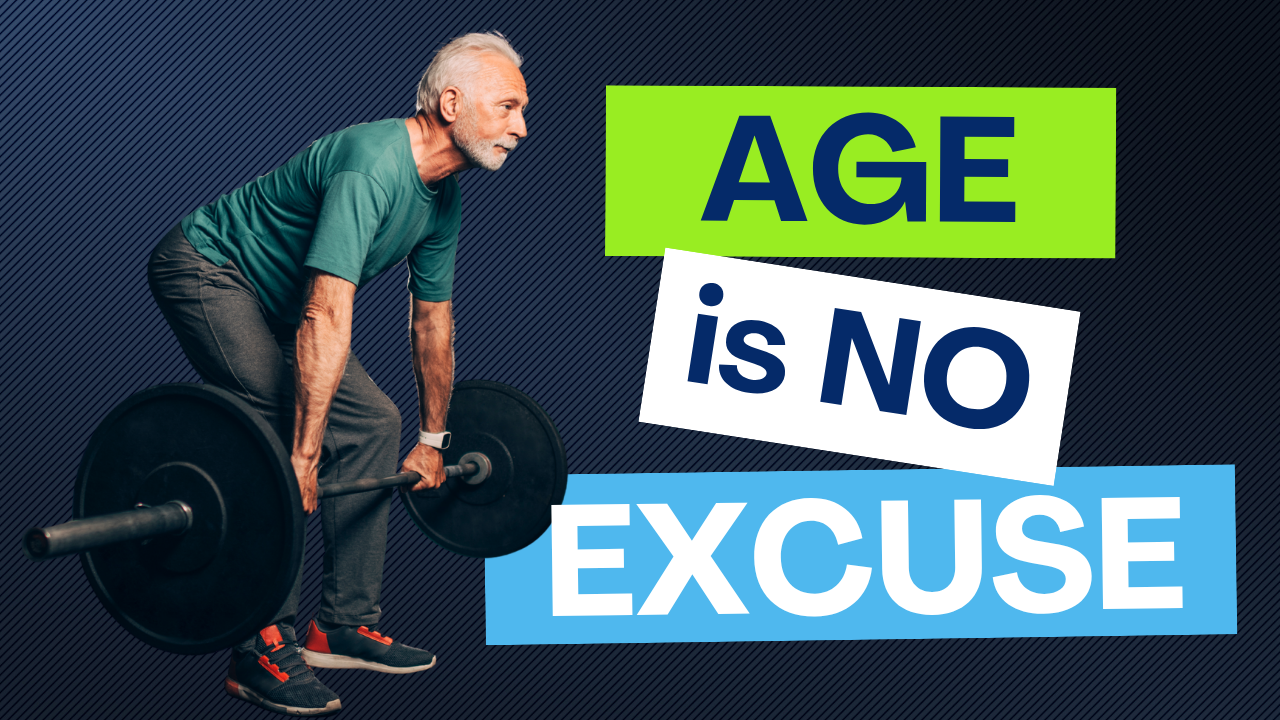
Are the Barbell Squat, Deadlift, and Row Actually "Unsafe" After 40? | Ep 489

The barbell squat isn't as dangerous as you've been told. It's one of the few things that keeps your bones from thinning after 40. But a popular podcast just ranked it the most unsafe exercise you can do, with the conventional deadlift and barbell row right behind it. I'm breaking down the 3 errors in their argument and the real reason people get hurt lifting. You'll also hear what muscle activation actually tells you about muscle growth, why their own co-host kept disagreeing with them on air, and what happened when researchers put postmenopausal women under a heavy barbell. 

The barbell squat isn't as dangerous as you've been told. It's one of the few things that keeps your bones from thinning after 40. But a popular podcast just ranked it the most unsafe exercise you can do, with the conventional deadlift and barbell row right behind it.

I'm breaking down the 3 errors in their argument and the real reason people get hurt lifting. You'll also hear what muscle activation actually tells you about muscle growth, why their own co-host kept disagreeing with them on air, and what happened when researchers put postmenopausal women under a heavy barbell. 

Hit play if you want to keep squatting and deadlifting without worrying about your back.

Enroll in Eat More Lift Heavy, the 26-week coached program where adults over 40 build the nutrition and training skills to preserve muscle, lose fat, and manage their physique for life.

Wits & Weights is the evidence-based podcast for strength training over 40, body recomposition, fat loss over 40, metabolism recovery, and healthy aging. Hosted by Philip Pape, creator of Eat More Lift Heavy and Fitness Lab.

Timestamps:

0:00 - The 3 lifts called "unsafe" by a popular podcast
4:16 - The strongest case against the big lifts
5:56 - The first error in their argument
8:56 - What EMG activation really shows about muscle growth
11:40 - How to train the big lifts safely and for a long time
13:55 - What goes wrong when a lift starts hurting
16:58 - Barbell training next to running injury rates
20:15 - What heavy loading does for your bones after 40
24:55 - The question to ask before you swap a lift
27:15 - Choosing a gym that lets you lift properly

Episode Resources:

Read More
Interviews Philip Pape Interviews Philip Pape

How to Build More Muscle Lifting 3 Days a Week After 40 (Martin Silva) | Ep 488

What if more gym days are killing your gains? Could training less help you build more muscle? Are you working harder just to recover worse? Strength training over 40 isn’t about cramming five or six workouts into your week. It’s about creating enough stimulus to build muscle without burying your body in fatigue. Former pro physique competitor Martin Silva explains why fewer, higher-quality lifting sessions can improve hypertrophy, recovery, strength, and body recomp.

What if more gym days are killing your gains? 

Could training less help you build more muscle?

Are you working harder just to recover worse?

Strength training over 40 isn’t about cramming five or six workouts into your week. It’s about creating enough stimulus to build muscle without burying your body in fatigue.

Coach, former pro physique competitor, and Optimize Your Body host Martin Silva explains why fewer, higher-quality lifting sessions can improve hypertrophy, recovery, strength, and body recomp.

Learn how training frequency and volume work together, why stopping one to three reps before failure can produce better muscle-building results, and how mechanical tension, tempo, and technique matter more than destroying yourself in every workout.

Join Eat More Lift Heavy to build strength, lose fat, and learn what works for your body, 1 week at a time. Learn to eat more and lift heavy with confidence.

Timestamps:

0:00 - Why more gym days backfire
2:00 - From high volume to better results
5:45 - Minimum effective volume and frequency
9:50 - Mechanical tension, tempo, and technique
15:10 - Staying shy of muscular failure
19:56 - Choosing three days or six
25:46 - Better activities for recovery days
28:09 - Mobility, injuries, and changing beliefs

Episode resources:

Read More
Interviews Philip Pape Interviews Philip Pape

Is My Metabolism Damaged From Dieting? (What Your Hunger Is Really Telling You) | Ep 487

Has years of dieting on and off damaged your metabolism? It that why fat loss feels so hard now? This is one of the most common fears I hear, and the short answer is almost certainly... no. So what is going on? Most of what feels like a broken metabolism is one of two things: either the normal discomfort of a deficit or the way your appetite pushes back as you lose fat, preventing a consistent deficit (where you feel like you're dieting but can never lose weight).

Has years of dieting on and off damaged your metabolism? It that why fat loss feels so hard now?

This is one of the most common fears I hear, and the short answer is almost certainly... no. So what is going on?

Most of what feels like a broken metabolism is one of two things: either the normal discomfort of a deficit or the way your appetite pushes back as you lose fat, preventing a consistent deficit (where you feel like you're dieting but can never lose weight).

If you look at weight loss studies, those reporting the most hunger and the strongest cravings tend to lose the least, implying that too much hunger isn't by definition "necessary" for a successful deficit.

Learn about metabolic adaptation in a moderate diet, the "four-week wall" when most people quit a fat loss phase, and the difference between the discomfort you should "ride out" and red flags where you should take a break or change something about the diet (like the speed/aggressiveness).

The people who finish are the ones who lose the fat!

Enroll in Eat More Lift Heavy, the 26-week coached program where adults over 40 build the nutrition and training skills to preserve muscle, lose fat, and manage their physique for life.

Wits & Weights is the evidence-based podcast for strength training over 40, fat loss over 40, metabolism recovery, body recomposition, and healthy aging. Hosted by Philip Pape, creator of Eat More Lift Heavy and Fitness Lab.

Timestamps:

0:00 - Is your metabolism damaged from years of dieting?
1:46 - The satiety diet question
4:10 - Why relaxing your deficit turns into serial quitting
8:31 - Why more hunger predicts less fat loss
12:24 - What metabolic adaptation means in a moderate deficit
19:29 - Hunger and discomfort you ride out vs. true red flags
23:27 - Why a slower cut is what gets you to the finish
25:33 - A straight answer on fat loss for women over 40
28:12 - Bonus: 30-second self-check for the toughest days in a deficit

Read More
Interviews Philip Pape Interviews Philip Pape

Eat More Protein to Lose More Fat (No Calorie Deficit Needed) | Ep 486

Most of us treat fat loss as a subtraction problem. Eat less, move more, lose weight. Energy balance (calories in calories out) is definitely real, so that holds at the top level when it comes to pure weight loss. The trouble is that "eat less" is often done restrictively, often leads to even LESS protein, nutrient, and fiber intake, and often done at a rapid pace, any of which cause you to lose muscle, energy, get hungrier, and all the other things that ultimately make you quit (or gain he weight back). This episode goes deeper than calories to the power of... protein!

Most of us treat fat loss as a subtraction problem. Eat less, move more, lose weight.

Energy balance (calories in calories out) is definitely real, so that holds at the top level when it comes to pure weight loss.

The trouble is that "eat less" is often done restrictively, often leads to even LESS protein, nutrient, and fiber intake, and often done at a rapid pace, any of which cause you to lose muscle, energy, get hungrier, and all the other things that ultimately make you quit (or gain he weight back).

This episode goes deeper than calories to the power of... protein! Protein does not behave like the rest of your calories. It costs more to digest, though that effect is smaller than people claim. It is also the most filling thing you can eat, and I get into a study where people dropped hundreds of calories a day on their own, without being told to, just from eating more of it. That is the real lever, and why eating more can make you leaner even when you are not "trying" to push an aggressive calorie deficit.

Then there is the claim that you can eat unlimited extra protein and still lose weight and body fat, so we'll examine that nutrient partitioniong claim. I also discuss daily protein targets, what to do if you're already leaner, and a 30-second way to think about the scale that explains how your body can change while the number stays flat.

Try my favorite custom protein! Get 20% off your first custom protein blend at truenutrition.com/witsandweights with code WITSANDWEIGHTS. Build your own protein from the base up, pick your flavor and sweetener, add "bosts" like ashwaghanda, fiber, creatine, and more, and hit your daily target with something you're excited to drink!

Wits & Weights is the evidence-based podcast for strength training over 40, body recomposition, fat loss over 40, metabolism recovery, and healthy aging. Hosted by Philip Pape, creator of Eat More Lift Heavy and Fitness Lab.

Timestamps:

0:00 - Why eating less keeps backfiring for fat loss
3:30 - Energy balance vs. differences between macros like protein
7:28 - Does protein burn more calories to consume vs. fats and carbs?
9:20 - Why protein is the most filling macro for fat loss
10:03 - How high protein creates a deficit through appetite
12:30 - What is the best protein supplement?
13:40 - Nutrient partitioning and mouse studies
16:00 - The myth of "free" protein calories in a surplus
20:30 - Your daily protein target for muscle and fat loss
22:35 - Why protein matters more for lean dieters
24:50 - Free macros guide for body composition
25:33 - Bonus: the two-envelope trick for body recomposition

Episode Resources

Read More
Interviews Philip Pape Interviews Philip Pape

How Hard Should You Really Be Lifting After 40? | Ep 485

How hard are you REALLY training? Is it enough to build muscle? Most lifters believe they are stopping a rep or two short of failure, when the real gap is far wider, and it often stalls muscle and strength. Learn about the research on proximity to failure and how badly we misjudge our own effort, including predicting reps to failure and how close to failure you need to train to build muscle.

How hard are you REALLY training? Is it enough to build muscle?

Most lifters believe they are stopping a rep or two short of failure, when the real gap is far wider, and it often stalls muscle and strength.

Learn about the research on proximity to failure and how badly we misjudge our own effort, including predicting reps to failure and how close to failure you need to train to build muscle. We get into why the common advice to leave reps in reserve backfires for people who picked up strength training over 40, what training to failure does and does not require, and how women and older lifters recover from hard sets.

Plus, you'll learn a calibration drill and a mental trick to make your effort objective so your gym time pays off.

Join Eat More Lift Heavy, the 26-week coached program where adults over 40 build the nutrition and training skills to preserve muscle, lose fat, and manage their physique for life.

Wits & Weights is the evidence-based podcast for strength training over 40, body recomposition, fat loss over 40, metabolism recovery, and healthy aging. Hosted by Philip Pape, creator of Eat More Lift Heavy and Fitness Lab.

Timestamps

0:00 - Effort and proximity to failure
2:27 - Reps in reserve advice when strength training over 40
5:00 - Training hard vs. training volume
7:55 - Accuracy of estimating reps to failure
10:05 - Proximity to failure and muscle growth
12:20 - Progressive overload methods
13:24 - Calibration drill to calculate true failure
16:30 - Recalibrating effort over time
18:50 - Bar speed and effort signals
20:30 - Training to failure for older lifters
22:13 - Rep range goal setting 

Episode Resources

Read More
Interviews Philip Pape Interviews Philip Pape

Why You're Exhausted After 8 Hours of Sleep, Even If You Don't Snore (Dr. Shereen Lim) | Ep 484

Doing the right workouts, eating well, and still waking up exhausted? What if your “good” sleep score is missing the real problem? I talk with Dr. Shereen Lim, dentist, dental sleep medicine expert, about sleep-disordered breathing, airway health, and why women over 40 are so often missed. You’ll learn why snoring, teeth grinding, mouth breathing, nocturia, and unrefreshed sleep can point to airway issues even when you’re lean, fit, and doing “everything right.”

Doing the right workouts, eating well, and still waking up exhausted? What if your “good” sleep score is missing the real problem?

I talk with Dr. Shereen Lim, dentist, dental sleep medicine expert, and author of Breathe, Sleep, Thrive, about sleep-disordered breathing, airway health, and why women over 40 are so often missed.

You’ll learn why snoring, teeth grinding, mouth breathing, nocturia, and unrefreshed sleep can point to airway issues even when you’re lean, fit, and doing “everything right.” 

We cover sleep apnea, upper airway resistance, CPAP, dental devices, palate expansion, mouth taping, and why nasal breathing matters for hormone health, metabolism, longevity, and evidence-based fitness.

Join Eat More Lift Heavy to build strength, lose fat, and learn what works for your body, 1 week at a time. Learn to eat more and lift heavy with confidence.

Timestamps:

0:00 – Why sleep still feels broken
2:27 – Sleep disordered breathing explained
4:52 – Jaw structure and airway collapse
7:43 – Midlife changes and women’s risk
9:36 – Sleep trackers versus real testing
11:40 – Grinding, nocturia, and red flags
15:19 – When mouth guards make breathing worse
16:35 – CPAP and dental device tradeoffs
21:46 – Mouth taping and tongue posture

Episode resources:

Read More
Interviews Philip Pape Interviews Philip Pape

Q&A - How Fast Do You Really Lose Muscle? (Plus Bigger Glutes, Creatine, & More) | Ep 483

How long can you stop training before your muscle starts to disappear? Most people take a week off, see that their muscles look a little deflated in the mirror, and assume the worst. The real answer is far more reassuring, and it is not what most lifters over 40 have learned. These 6 questions all came from members inside my Eat More Lift Heavy community, people serious about strength training over 40. 

How long can you stop training before your muscle starts to disappear?

Most people take a week off, see that their muscles look a little deflated in the mirror, and assume the worst. The real answer is far more reassuring, and it is not what most lifters over 40 have learned.

These questions all came from members inside my Eat More Lift Heavy community, people serious about strength training over 40. 

Here are the 6 questions I'm answering (shoutouts to EMLH members!):

  1. Tim E. - How long can you rest between reps before it counts as a separate set? (resting 2-3 seconds between squat reps, and 10 seconds between deadlifts)

  2. Ajana B. - When she eventually hits perimenopause, what effect will it have given she's already built a foundation of strength training and whole-food eating?

  3. Denise M. - Is creatine a benefit while doing Eat More Lift Heavy, and is there a better time to take it?

  4. Desiree F. and JC - Best exercises to grow glutes, how often, and how many sets/reps (Desiree), plus how to grow glutes without the quads taking over or getting too muscular (JC)

  5. JC - On a 0-10 scale, how important is eating protein right after lifting, and what stalls if you don't? (she now trains after dinner around 7:30-8pm)

  6. JC - How many days of not working out before you start losing your gains?

Join Eat More Lift Heavy, the 26-week coached program where adults over 40 build the nutrition and training skills to preserve muscle, lose fat, and manage their physique for life:
https://eatmoreliftheavy.com

Wits & Weights is the evidence-based podcast for strength training over 40, body recomposition, muscle and longevity, fat loss over 40, and healthy aging. Hosted by Philip Pape, creator of Eat More Lift Heavy and Fitness Lab.

Timestamps

0:00 - 6 questions being answered today
2:22 - Resting between reps (when does a set count as 2 sets?)
7:04 - What perimenopause does to muscle and bone, and what protects it
12:17 - Why the scale jumps when you start creatine
16:19 - Building a strong physique without bulking up
19:17 - Bigger glutes without bigger quads (muscle specialization)
27:47 - Does protein after a workout (the anabolic window) matter as much as you think?
31:21 - How fast you really lose muscle, and the minimum to keep it

Read More
Interviews Philip Pape Interviews Philip Pape

Why Muscle Predicts Your Cancer and Heart Disease Risk | Ep 482

Most people start lifting to look better, and they treat the health payoff as a nice bonus. There's nothing wrong with that, but the mortality research suggests that the frame is probably backward. Your muscle and strength are the keys to longevity, with your physique and how you look a nice side effect.

Most people start lifting to look better, and they treat the health payoff as a nice bonus. There's nothing wrong with that, but the mortality research suggests that the frame is probably backward.

Your muscle and strength are the keys to longevity, with your physique and how you look a nice side effect.

The evidence here is large, in some studies hundreds of thousands of people. One simple measure of strength predicted death better than blood pressure.

I look at what that means for the two outcomes most of us worry about after 40, cancer and heart disease, including a detail about how cancer treatment gets dosed that very few people know. I also get into why muscle behaves like an organ that helps protect your heart, not just things that pop in your shirt :)

You have probably heard that being weak is worse than smoking. Does that hold up? Then I get to the part that should take some of the pressure off, which is how little training it takes to collect most of the benefit and why it is never too late to start.

Try Fitness Lab, the AI coaching app that reads your data, coaches you on your patterns, and keeps you consistent for adults over 40 who want to lose fat and build strength. Summer special is 20% off through July 3.
https://witsandweights.com/app

Wits & Weights is the evidence-based podcast for strength training over 40, body recomposition, muscle and longevity, fat loss over 40, and healthy aging. Hosted by Philip Pape, creator of Eat More Lift Heavy and Fitness Lab.

Timestamps

0:00 - Why lifting for looks gets the benefit backward
5:36 - Muscle is medicine... looking good is the bonus
10:06 - The strength measure that beats blood pressure
11:30 - Is being weak really worse than smoking?
14:46 - Muscle, cancer survival, and how treatment is dosed
17:23 - Your largest metabolic organ and your heart
20:14 - A useful longevity tool
22:44 - The surprisingly small dose that protects your life
26:01 - Why it is never too late to build muscle
30:06 - A 30-second strength test you can do today

Episode Resources

Read More
Interviews Philip Pape Interviews Philip Pape

The Biggest AI Mistake People Make With Fat Loss Over 40 | Ep 481

You have access to more fitness information than any previous generation. ChatGPT, Google, YouTube, social media, and of course this podcast can answer almost any question about losing fat or building muscle in seconds. So why are so few people over 40 actually getting better results? The problem was never a lack of information. Most people are using AI to solve the wrong problem entirely. The generic plans you ask for rarely change your body, and this is explained in the behavior research. Knowing what to do is not the same as doing it... adherence has always mattered more than the plan you choose.

You have access to more fitness information than any previous generation. ChatGPT, Google, YouTube, social media, and of course this podcast can answer almost any question about losing fat or building muscle in seconds. So why are so few people over 40 actually getting better results?

The problem was never a lack of information. Most people are using AI to solve the wrong problem entirely. The generic plans you ask for rarely change your body, and this is explained in the behavior research. 

Knowing what to do is not the same as doing it... adherence has always mattered more than the plan you choose.

AI becomes useful when you treat it like a coach instead of a search engine. Feed it your own training logs, nutrition data, and biofeedback, and it helps you make better decisions instead of collecting more advice.

Later in the episode, I also share a simple prompt that gets honest feedback from any AI tool instead of agreement.

By the end you will know which jobs to hand AI, which to keep for yourself, and how to use it for execution instead of just more information.

Try Fitness Lab, the AI coaching app that reads your data, coaches you on your patterns, and keeps you consistent for adults over 40 who want to lose fat and build strength. Summer special is 20% off through July 3:
https://witsandweights.com/app

Wits & Weights is the evidence-based podcast for strength training over 40, body recomposition, fat loss over 40, metabolism recovery, and healthy aging. Hosted by Philip Pape, creator of Eat More Lift Heavy and Fitness Lab.

Timestamps:

0:00 - Why more AI isn't giving you better results
4:22 - The real bottleneck is behavior, not information
8:13 - The gap between intending and doing
11:06 - Where AI actually helps you change
12:42 - Spotting patterns in your own data
14:30 - Accountability, stakes, and the human factor
19:58 - Coaching that works with your data
23:40 - Bad AI prompts vs. better coaching questions
32:36 - The one prompt that makes AI stop being a yes-man
35:20 - The real reason most people stay stuck

Read More
Interviews Philip Pape Interviews Philip Pape

How to Eat 400 Fewer Calories a Day Without Trying (Abbey Sharp) | Ep 480

Body recomp, weight loss, and nutrition get harder when hunger runs the show. What if the problem isn’t your macros, but how your meals are built? What if you could lose fat without battling cravings all day? Registered dietitian Abbey Sharp breaks down the satiety science behind protein, fiber, and healthy fats. We talk about why protein matters for muscle building and metabolism, why fiber is a game-changer for fullness and gut health, and how to include “naked carbs” without triggering food noise or binge cycles.

Body recomp, weight loss, and nutrition get harder when hunger runs the show. What if the problem isn’t your macros, but how your meals are built? What if you could lose fat without battling cravings all day?

Registered dietitian Abbey Sharp, author of The Hunger Crushing Combo Method and host of Bite Back podcast, breaks down the satiety science behind protein, fiber, and healthy fats. We talk about why protein matters for muscle building and metabolism, why fiber is a game-changer for fullness and gut health, and how to include “naked carbs” without triggering food noise or binge cycles.

You’ll learn why tracking macros can be useful without becoming obsessive, how strength training protects muscle during fat loss, and what GLP-1 users need to know about nutrition, protein, and long-term results.

Get Fitness Lab now 20% off through July 3, to become your healthiest after 40 with the most personalized fitness app. Daily coaching that adjusts to your energy, recovery, and schedule. No calorie counting, no guesswork.
https://witsandweights.com/app

Join Eat More Lift Heavy to build strength, lose fat, and learn what works for your body, 1 week at a time. Learn to eat more and lift heavy with confidence. 

Timestamps

0:00 – Five signals your body sends
2:49 – Hunger-crushing combo basics
8:56 – Protein hype and marketing traps
10:53 – Fiber, fullness, and gut health
17:02 – Restriction, cravings, and food noise
21:49 – Where naked carbs fit
24:46 – Tracking without obsession
35:36 – Rebuilding metabolism through muscle
40:08 – Eating well on GLP-1 meds
45:44 – Family food skills that stick

Episode resources

Read More
Interviews Philip Pape Interviews Philip Pape

Rapid Fat Loss vs. a Long, Slow Cut (Who Aggressive Dieting is For) | Ep 479

When does a fast, aggressive cut (rapid fat loss) beat a long, slow one? The answer depends on your body fat, your training, your timeline, your history with dieting, and whether you are perimenopausal or over 40. This episode revisits rapid fat loss and the case for a strict, short diet when the slow-and-sustainable default doesn't work as well for you (or simply because you want to use it).

When does a fast, aggressive cut (rapid fat loss) beat a long, slow one?

The answer depends on your body fat, your training, your timeline, your history with dieting, and whether you are perimenopausal or over 40.

This episode revisits rapid fat loss and the case for a strict, short diet when the slow-and-sustainable default doesn't work as well for you (or simply because you want to use it). Make sure to download my FREE Rapid Fat Loss guide to follow along with the episode.

We examine the research on how to lose fat quickly without losing muscle, including studies on rate of loss, protein during a steep deficit, and protein needs for people lifting weights. 

Learn what a structured protein-sparing protocol with built-in refeeds actually involves, why strength training and protein are so important for preserving your muscle (and thus losing fat), where metabolic adaptation fits in, and the clear line between a smart aggressive cut and a crash diet.

This episode is designed for adults over 40 who lift, track their food, and want to know whether they are the exception to the "slow" fat loss rule.

Download the free Rapid Fat Loss Guide with my step-by-step 14-day protocol. This is an aggressive dieting plan for serious lifters only who know how to build muscle and track their food. It includes everything you need to know to lose, on average, 3-5 lbs (or more) of pure fat in just 2 weeks:
https://witsandweights.com/free

Timestamps:

0:00 - Slow fat loss and the adherence problem
4:57 - The case for moderate fat loss
8:05 - When going slow stops working
10:46 - What a structured aggressive cut looks like
12:38 - Protein and carbs as muscle insurance
15:47 - Scheduled refeeds and how they work
18:05 - Strength training during a cut
19:16 - Water loss, fat loss, and using it as a tool
20:30 - Step-by-step rapid fat loss guide
21:54 - Preserving muscle on a steep deficit
26:12 - Refeeds, diet breaks, and metabolic adaptation
28:33 - Who an aggressive cut is for (and NOT for)
32:25 - Considerations in perimenopause and over 40
34:12 - Bonus: Deficit to make your fat loss easier

Mentioned:

  • Eat More Lift Heavy - the 26-week coached program where adults over 40 build the nutrition and training skills to preserve muscle, lose fat, and manage their physique for life, where we can guide you through any fat loss phase (rapid or not) and make sure the results LAST

Read More
Interviews Philip Pape Interviews Philip Pape

What REALLY Builds Muscle After 40 | Ep 478

What REALLY builds muscle after 40? The honest answer comes down to 3 things: sufficient effort for growth, how many hard sets you need each week, and recovery. This episode covers mechanical tension as the proximate cause of muscle growth, what the research says about training close to failure and reps in reserve (RIR), the how many weekly hard sets (volume) drives muscle growth (hypertrophy) vs. diminishing gains, and how sleep, protein, and recovery enable muscle growth.

What REALLY builds muscle after 40?

The honest answer comes down to 3 things: sufficient effort for growth, how many hard sets you need each week, and recovery.

This episode covers mechanical tension as the proximate cause of muscle growth, what the research says about training close to failure and reps in reserve (RIR), the how many weekly hard sets (volume) drives muscle growth (hypertrophy) vs. diminishing gains, and how sleep, protein, and recovery enable muscle growth.

Plus, what changes for lifting weights over 40 and for women in perimenopause and menopause, and a 30-second test you can run in the gym to find out how hard you are training.

Try Fitness Lab, the AI coaching app that works alongside the tools you already use to calibrate your effort, dial in your training volume, and tell you what your data means for building muscle and losing fat over 40.

Timestamps:

0:00 - 3 things that build muscle
6:39 - Mechanical tension and mechanotransduction
9:30 - Size principle and proximity to failure
11:19 - Reps in reserve and calibrating your effort
14:28 - Volume as the dose for hypertrophy
15:52 - Hard sets per muscle per week
17:45 - What makes a set count
18:44 - Building your week of training
21:50 - Effort tracking and programming over 40
23:24 - Recovery as a permissive factor
25:18 - Sleep, protein, and strength training over 40
26:21 - Building muscle through perimenopause and menopause
30:21 - Bonus: 30-second test for whether you've hit "failure"

Read More
Interviews Philip Pape Interviews Philip Pape

Retatrutide Promises 28% Weight Loss (What About Muscle?) | Ep 477

Is retatrutide, the new triple agonist GLP-1, the next big thing in weight loss (or even rapid fat loss)? This episode breaks down retatrutide, the GLP-1, GIP, and glucagon triple agonist behind the largest weight loss numbers ever recorded in this class. It covers the Phase 2 obesity trial and the Phase 3 Triumph results, plus why cross-trial comparisons to semaglutide and tirzepatide deserve skepticism.

Is retatrutide, the new triple agonist GLP-1, the next big thing in weight loss (or even rapid fat loss)?

That depends on how the drug works, what the results are, the reality between the headlines and the evidence, and what happens to your weight when you stop.

This episode breaks down retatrutide, the GLP-1, GIP, and glucagon triple agonist behind the largest weight loss numbers ever recorded in this class. It covers the Phase 2 obesity trial and the Phase 3 Triumph results, plus why cross-trial comparisons to semaglutide and tirzepatide deserve skepticism.

We examine the body composition data (or lack thereof), and why a bigger number on the scale just amplifies the stakes for muscle mass, weight regain, and the off-ramp. Especially relevant for adults over 40 who are taking, considering, or planning to come off a GLP-1.

Enroll in Eat More Lift Heavy, the 26-week coached program where adults over 40 build the nutrition and training skills to preserve muscle, lose fat, and manage their physique for life, including support for lifestyle changes needed while taking GLP-1s (and to come off them if desired).

Timestamps:

0:00 - Retatrutide and the biggest question for GLP-1 users
3:08 - How this new triple agonist works
4:46 - Phase 2 and Phase 3 weight loss numbers
5:38 - Cross-trial comparisons and their limits
6:23 - Fat, muscle, and what the trial did NOT measure
8:30 - Strength training over 40 and accelerated muscle loss
10:07 - Building the lifestyle (alongside using the drug)
14:10 - Resistance training and protein
16:00 - Rate of loss on a powerful drug like retatrutide
17:30 - The off-ramp when you stop
18:23 - Weight regain and body fat overshooting
22:03 - Retatrutide access and the gray market
24:11 - Bonus: 3-question test to keep your results

Episode Mentioned:

Read More
Interviews Philip Pape Interviews Philip Pape

5 Signals That Your Body's "Off" Even When Your Labs Are Normal (Dr. Stephen Cabral) | Ep 476

You’re lifting weights. You’re eating well. Your labs look “normal.” So why do you still feel exhausted, bloated, wired at night, moody, or like your body is aging faster than it should Dr. Stephen Cabral helps us decode why fatigue, bloating, poor sleep, and mood swings can show up even when your labs look fine. We talk about the five signals your body sends through sleep, energy, digestion, mood, and skin, plus how they connect to hormone health, metabolism, inflammation, and recovery.

You’re lifting weights. You’re eating well. Your labs look “normal.” So why do you still feel exhausted, bloated, wired at night, moody, or like your body is aging faster than it should?

Dr. Stephen Cabral helps us decode why fatigue, bloating, poor sleep, and mood swings can show up even when your labs look fine. We talk about the five signals your body sends through sleep, energy, digestion, mood, and skin, plus how they connect to hormone health, metabolism, inflammation, and recovery.

You’ll learn why sleep comes first, how digestion can drain energy, why stress and gut issues can affect mood, and how to build a rhythm that supports evidence-based nutrition, lifting weights, and long-term wellness.

Join Eat More Lift Heavy to build strength, lose fat, and learn what works for your body, 1 week at a time. Learn to eat more and lift heavy with confidence. 

Timestamps:
0:00 – Five signals your body sends
2:10 – Dr. Cabral’s personal health journey
8:05 – Foundations before advanced protocols
12:42 – Sleep as the first lever
21:14 – Energy, cortisol, and daily rhythm
27:44 – Digestion, bloating, and gut signals
35:32 – Mood, inflammation, and overwhelm
40:06 – Skin, hair, and biological age
47:00 – The weekly rhythm reset action

Episode resources:

Read More
Interviews Philip Pape Interviews Philip Pape

Brain Aging and Barbells (How Lifting Weights Slows Cognitive Decline) | Ep 474

Can lifting weights slow how fast your brain ages? A new study used brain scans to measure exactly that. The results show that resistance training is a uniquely beneficial tool for brain health that works through different pathways than cardio. Lifting weights can make the brain test younger on functional MRI, and the benefits may keep compounding even long after you train. 

Can lifting weights slow how fast your brain ages?

A new study used brain scans to measure exactly that. The results show that resistance training is a uniquely beneficial tool for brain health that works through different pathways than cardio.

Lifting weights can make the brain test younger on functional MRI, and the benefits may keep compounding even long after you train. 

Learn what brain age measures, why the prefrontal cortex matters for Alzheimer's and cognitive aging, the muscle-to-brain signaling system activated by strength training, and how heavy lifting compares to moderate intensity for protecting the brain after 40. Plus a quick self-check for strength-related dementia risk, especially after 40. 

Enroll in Eat More Lift Heavy, the 26-week coached program where adults over 40 build the nutrition and training skills to lift heavy, build muscle, lose fat, and stay strong and sharp for decades. 

Timestamps:

0:00 - Lifting weights and brain aging
0:47 - Dementia risk and strength training over 40
3:58 - Aerobic exercise and the hippocampus
6:00 - Prefrontal cortex and muscle signaling
7:48 - Recent study and brain age scans
10:21 - Brain age gap and dementia risk
11:30 - Results across both lifting intensities
13:12 - Myokines, irisin, and BDNF
16:57 - How to build skills for lifting weights
18:30 - Lifting protocol for brain health
20:45 - Entry points for new lifters
24:15 - Grip strength and dementia risk

Read More
Interviews Philip Pape Interviews Philip Pape

The Satiety Diet (How to Lose Fat Without Fighting Hunger) | Ep 473

What does a fat loss diet look like when you build it around satiety (fullness) instead of restriction or willpower? The answer is based on the biology of post-diet hunger, 5 satiety levers that decide how full you are after a meal, and the targets you can set at your next meal.

What does a fat loss diet look like when you build it around satiety (fullness) instead of restriction or willpower?

The answer is based on the biology of post-diet hunger, 5 satiety levers that decide how full you are after a meal, and the targets you can set at your next meal.

Most fat loss attempts fall apart around week 5 or 6. The reason is rarely willpower. Hunger is a measurable physiological state that intensifies the longer and harder you diet, and most nutrition plans don't account for it.

This episode covers a study on hunger hormones that stayed disrupted a full year after dieting, the five satiety levers, from how calorie-dense your food is to how fast you eat it, and a simple way to audit your own meals for fullness without counting every calorie. It is built for adults over 40, especially women navigating perimenopause and menopause, who lift weights and want to lose fat in a way you can sustain

Ready to build a fat loss diet around fullness instead of willpower? Enroll in Eat More Lift Heavy, the 26-week coached program where adults over 40 build the nutrition and training skills to lose fat, build muscle, and manage their physique for life. 

Timestamps:

0:00 - Hunger as the price of fat loss
3:11 - Hunger as a biological signal
5:30 - Hormones a year after a diet ends
9:06 - Engineering a diet for fullness
9:54 - Energy density and food volume
12:58 - Protein and spontaneous calorie intake
15:01 - Viscous fiber and gut hormones
17:20 - Eating rate and fullness
19:58 - Hyper-palatable foods and the supermarket
23:09 - How to design your satiety diet
24:45 - Satiety targets per meal and per day
27:18 - 2-to-3 swap rule for your worst meals
32:07 - Bonus: 200-calorie reality check

Episode Resources:

Read More
Interviews Philip Pape Interviews Philip Pape

Brain Fitness, Micro-Habits, and Your Health (Thoryn Stephens) | Ep 472

Why is it so hard to stay consistent with nutrition and fitness, even when you know what to do? What if the answer is not more discipline, but better systems? Thoryn Stephens joins me to talk about why adherence is the real bottleneck in behavior change. We cover how to build simple health protocols around nutrition, exercise, sleep, stress, connection, and metabolic health without getting buried in data or overwhelmed by tracking.

Why is it so hard to stay consistent with nutrition and fitness, even when you know what to do? What if the answer is not more discipline, but better systems?

Thoryn Stephens joins me to talk about why adherence is the real bottleneck in behavior change. We cover how to build simple health protocols around nutrition, exercise, sleep, stress, connection, and metabolic health without getting buried in data or overwhelmed by tracking.

You’ll learn why friction matters, how wearables like Oura and Garmin can help when used correctly, and why recovery, HRV, resting heart rate, and even unitasking can support better performance. We also discuss longevity, dementia prevention, brain training, and how small daily actions can influence long-term health.

Join Eat More Lift Heavy to build muscle, lose 10-20 lbs of fat, and learn what works for your body, 1 week at a time. Eat more and lift heavy with confidence:
https://eatmoreliftheavy.com

Timestamps:

0:00 - Why consistency breaks down
2:40 - Six pillars of health protocols
5:46 - Connection and longevity benefits
11:58 - Micro habits and adherence
17:11 - Choosing daily non-negotiables
20:48 - Tracking without overwhelm
28:41 - Dementia prevention through lifestyle
33:30 - Brain training and neuroplasticity
40:48 - Unitasking and cognitive performance

Episode resources:

Read More
Interviews Philip Pape Interviews Philip Pape

"Broccoli Is Making You Fat!" (Why Single-Food Blame Is Nonsense) | Ep 471

Can broccoli make you fat? Or cause inflammation? What about sugar, carbs, seed oils, dairy, gluten, lectins, fructose, or ultra-processed foods? Why does every fitness influencer blame a different food for your health problems? Learn about the composition fallacy in nutrition, where we blame one food for what the whole diet (or lifestyle) is responsible for.

Can broccoli make you fat? Or cause inflammation? What about sugar, carbs, seed oils, dairy, gluten, lectins, fructose, or ultra-processed foods?

Why does every fitness influencer blame a different food for your health problems? Learn about the composition fallacy in nutrition, where we blame one food for what the whole diet (or lifestyle) is responsible for.

This episode covers the logical error underneath every single-food blame claim, the evidence on the 4 loudest food villains right now, and how to think about food without organizing your diet around fear.

We examine studies on linoleic acid and inflammation, plant oils vs. butter,  ultra-processed foods, flexible vs. rigid dieting, and the prevalence of orthorexia. If you're over 40 and navigating fat loss, body composition, and decades of contradictory food advice, learn to avoid rigid food rules, binge cycles, or wellness panic.

Join in Eat More Lift Heavy, the 26-week coached program where adults over 40 build the nutrition and training skills to preserve muscle, lose fat, and manage their physique for life, WITHOUT restrictive food rules.

Timestamps:

0:00 - Food villain claims
2:57 - Composition fallacy
8:01 - Seed oils, linoleic acid, and inflammation
10:36 - Sugar and the Twinkie diet experiment
13:28 - Ultra-processed food and how fast you eat
16:44 - Celiac, gluten sensitivity, and carbs
18:48 - Skills vs. food rules
19:56 - Energy balance and food quality
22:30 - Sumo wrestlers and Paracelsus
25:10 - 80/20 flexible eating framework
27:30 - Orthorexia and binge eating cycles
29:16 - Bonus: 3-question food villain test

Read More
Interviews Philip Pape Interviews Philip Pape

Why "Muscle Confusion" Might Actually Work for Hypertrophy | Ep 470

Is "muscle confusion" just bro science, or does recent strength training research actually back it up? You mighT be surprised... We get into how muscles grow, why exercise selection changes which regions of a muscle develop, and the role of muscle length in hypertrophy. This episode covers the last decade of research on exercise variation and hypertrophy. These include studies on leg press vs. leg extension and on triceps and hamstrings at different muscle lengths.

Is "muscle confusion" just bro science, or does recent strength training research actually back it up? You migh be surprised...

We get into how muscles grow, why exercise selection changes which regions of a muscle develop, and the role of muscle length in hypertrophy.

This episode covers the last decade of research on exercise variation and hypertrophy. These include studies on leg press vs. leg extension and on triceps and hamstrings at different muscle lengths.

We distinguish the original P90X version of "muscle confusion" from the systematic variation (aka periodization and mesocycles) that you can intentionally plan into your strength training programming.

This framing matters most for adults over 40 who've been told to pick a few compound lifts and add weight to the bar forever (sound familiar?).

Join Eat More Lift Heavy, the 26-week coached program where adults over 40 build the nutrition and training skills to preserve muscle, lose fat, and manage their physique for life.

Timestamps:

0:00 - Muscle confusion and exercise variation
2:25 - Where "muscle confusion" came from
4:00 - Mechanical tension and progressive overload
5:52 - Muscles as regional structures
7:30 - Regional hypertrophy in the quads
10:24 - Muscle length and hypertrophy
14:30 - Strategic exercise selection
15:45 - Training programming for adults over 40
17:01 - 3 rules for planned variation
20:42 - Caveats on variation
23:35 - Bonus: lengthened-position swap per muscle group

Read More
Interviews Philip Pape Interviews Philip Pape

The 20-Minute Fix for Menopause Belly Fat | Ep 469

Can you target menopause belly fat? The surprising answer is... yes! It involves how metabolism shifts after 40, why visceral fat behaves differently than subcutaneous fat, and THIS time-efficient form of conditioning that outperforms steady-state cardio in the latest postmenopausal research. This episode covers 2026 metabolic chamber research on how the menopause transition independently changes metabolism and substrate oxidation, the visceral fat redistribution that drives the menopause belly experience, and sprint interval research in postmenopausal women.

Can you target menopause belly fat?

The surprising answer is... yes! It involves how metabolism shifts after 40, why visceral fat behaves differently than subcutaneous fat, and THIS time-efficient form of conditioning that outperforms steady-state cardio in the latest postmenopausal research.

This episode covers 2026 metabolic chamber research on how the menopause transition independently changes metabolism and substrate oxidation, the visceral fat redistribution that drives the menopause belly experience, and sprint interval research in postmenopausal women.

Plus how to fit short sprint sessions around lifting heavy, who should start this protocol, and the speed-drop test that tells you whether the protocol is working. Built for women in perimenopause, postmenopause, and adults over 40 working on fat loss, body recomp, and strength training over 40.

Get the free Sprinting for Fat Loss guide by joining my email list and replying to ask for it. The 6-page PDF includes the full protocol, equipment options, and how to fit short sprint sessions around your lifting schedule:
https://witsandweights.com/email

Timestamps:

0:00 - 20-minute fix for menopause belly fat
2:20 - Metabolism drop in menopause
7:06 - Substrate oxidation and fuel preference
9:58 - Sprint research in postmenopausal women
13:08 - Sprint adaptations and visceral fat
15:30 - Sprinting protocol
18:48 - Equipment hierarchy for sprint training
20:12 - Fitting sprints around lifting
24:48 - Bonus: speed drop test

Read More