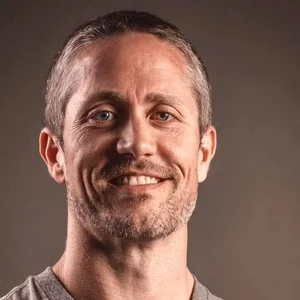
THYROID Markers Your Doctor Ignores That Stall Metabolism and Fat Loss (Eric Osansky) | Ep 412
Get Fitness Lab, the #1 coaching app that adapts to YOUR recovery, YOUR schedule, and YOUR body. Build muscle, lose fat, and get stronger with daily personalized guidance. Special link for podcast listeners (20% off):
https://bit.ly/fitness-lab-pod20
—
Why does body recomp stall even when you lift weights, track macros, and eat for nutrition and fitness? What if your thyroid is slowing metabolism, limiting muscle building, and making it harder to lose fat?
Dr. Eric Osansky breaks down the real markers lifters should watch, why lifters may see unique symptoms, and how autoimmune issues like Hashimoto’s and Graves develop. We talk hormone health, stress, overtraining, environmental toxins, and what actually supports strength training, longevity, and nutrition and fitness goals.
Eric also shares natural strategies that align with evidence-based training so you can make smarter decisions for your metabolism and body composition.
If you want to optimize your thyroid and unlock better body recomp results, tune in to learn more.
Today, you’ll learn all about:
0:00 – Hidden thyroid factors in weight loss
2:43 – Why Eric pursued thyroid health
3:36 – Thyroid basics for lifters
8:01 – Eric’s Graves diagnosis story
14:02 – Lifestyle stress vs true dysfunction
20:42 – What labs actually matter
24:17 – Autoimmune triggers explained
29:33 – Top environmental toxins to avoid
39:25 – Treatment options and natural support
Episode resources:
Book: Natural Treatment Solutions for Hyperthyroidism and Graves' Disease
Healing Graves' Naturally Community: savemythyroid.com/healgravesdisease
Healthy Gut Healthy Thyroid Newsletter: savemythyroid.com/newsletter
YouTube: @NaturalThyroidDoctor
Instagram: @drericosansky
Many lifters hit a wall where fat loss stalls, muscle gain lags, and recovery craters despite precise training and nutrition. The easy answer is “work harder,” yet the smarter question is whether thyroid dysfunction is quietly steering metabolism off course. Thyroid hormones touch every tissue, shaping energy production, lipid metabolism, heart rate, bone health, and how your body responds to strength training. While routine checkups often stop at TSH and sometimes T4, athletes benefit from a fuller picture that includes free T3, free T4, reverse T3, and thyroid antibodies. Free T3 is the active hormone driving performance and recovery; it can be low even when TSH looks “normal,” leaving you cold, brain-fogged, or weight-loss resistant. Understanding the feedback loop between the pituitary (TSH) and the gland matters, but the bigger story is conversion—how well you turn T4 into the T3 that powers your training.
Autoimmunity is another blind spot. Hashimoto’s (often low thyroid) and Graves (often high thyroid) are immune-driven, and antibodies can rise years before overt dysfunction. Three markers guide clarity: TPO (thyroid peroxidase) and thyroglobulin antibodies point toward Hashimoto’s, while TSI/TSH receptor antibodies tilt toward Graves. Many people carry antibodies without symptoms, which is a crucial window for action. Triggers commonly cluster in four groups: food, stress, environmental toxicants, and infections. Gluten and other common allergens can raise gut permeability; chronic stress shifts immune signaling and suppresses sIgA; endocrine disruptors like BPA, phthalates, PFAS, and microplastics interfere with thyroid signaling and immune tolerance; infections such as H. pylori, Epstein–Barr, and even post-viral states can nudge the immune system toward attack. None of these factors acts alone; loads accumulate until performance slips and labs lag behind symptoms.
Practical moves start at home. Filter your water with high-quality reverse osmosis or choose spring water in glass; avoid plastic bottles and microwaving plastics. Improve indoor air with true HEPA filtration and ventilate while cooking; swap harsh cleaners, cosmetics, and fragrances for verified low-tox options using resources like EWG’s databases. This isn’t about fear or perfection—it’s about reducing the daily dose that nudges hormones in the wrong direction. On the training front, stress is not the enemy but a lever. Overreaching feels productive until it isn’t; finishing every session floored, breathless, and unable to recover is a sign to scale intensity or volume. Aim to leave the gym feeling like you could do more. Many lifters build faster on three focused strength sessions per week than on seven grinding days with minimal recovery, especially when sleep and life stress run high.
Nutrition and timing also matter. Prolonged aggressive deficits depress T3 and raise reverse T3; mini-cuts are useful, but months of deep restriction or daily 20-hour fasts can blunt thyroid output and stall progress. Periodize your intake to match training cycles, ensure adequate protein and micronutrients, and break up long fasts with phases of normal eating. If hypothyroid, medication may help, but insist on data: a low free T3 with adequate T4 suggests a conversion issue, not necessarily a T4 deficiency. If hyperthyroid, conventional care includes antithyroid drugs, radioactive iodine, or surgery; some patients can complement care with botanicals like bugleweed or motherwort for symptom relief and consider L-carnitine and selenium under medical guidance. Low-dose naltrexone may modulate autoimmunity for some, though it won’t fix root causes.
The theme is clarity over guesswork. Get the labs that match your goals—TSH, free T4, free T3, reverse T3, and antibodies—then align training, stress management, and environment with how your body actually responds. The payoff isn’t just a better number on paper; it’s steady energy, strong lifts, faster recovery, and real fat loss that sticks. Your thyroid doesn’t need extremes; it needs enough signal, enough substrate, and fewer obstacles.
Have you followed the podcast?
Get notified of new episodes. Listen on Apple, Spotify, or all other platforms.
Then hit “Follow” and you’re good to go!


-
Philip Pape: 0:01
Let's say your metabolism has slowed to a crawl, and despite training hard and eating right, your body composition won't budge. Maybe you suspect your thyroid. But every doctor you see runs basic labs, tells you everything's normal, and sends you away with advice to just eat less and exercise more. Meanwhile, you're exhausted, your recovery is shot, and you can't figure out why lifting weights and tracking isn't working anymore. My guest today reveals why standard thyroid testing misses the real problems blocking your fat loss and muscle gain, which markers matter for people who lift weights, and how autoimmune thyroid conditions like Hachimoto's develop so that you can protect and optimize your thyroid to support your metabolism and fat loss goals. Welcome to Wits and Weights, the show that helps you build a strong, healthy physique using evidence, engineering, and efficiency. I'm your host, Philip Pape, and today we're going to explore why thyroid dysfunction could be a hidden barrier preventing you from building muscle and losing fat despite doing all the right things. My guest today is Dr. Eric Ostansky, a functional medicine practitioner who specializes in thyroid health, particularly hyperthyroidism, graves disease, and autoimmune conditions like Hachimoto's. After being diagnosed himself with Graves disease in 2008, Dr. Ostanski achieved remission through natural protocols and has since focused his practice on helping people address root causes. We love root causes. Those are important. The root causes of thyroid dysfunction rather than just managing symptoms with things like medication or even irreversible treatments. He's the author of several books on thyroid health and hosts the Save My Thyroid podcast. Go follow that podcast if you're into that or if you have thyroid condition and want to learn, please follow Save My Thyroid. Because your thyroid, very important, it controls a lot of things: your metabolic rate, your energy production, your recovery, how your body responds to things like strength training. And for those of us focused on building muscle, losing fat, optimizing performance, thyroid health often gets overlooked until it becomes a serious problem and then it stalls your progress. So today, you're going to learn how thyroid dysfunction shows up differently in people who, for example, train like we do, which lab markers might matter beyond the basic TSH testing, how training stress and lifestyle factors can trigger autoimmune thyroid problems, and some practical tips, as always, that you can do to protect and optimize your thyroid while still pursuing all of these fun goals we have for body composition and health. Eric, glad to have you on Wits and Weights. Good to see you again and welcome to the show.
Eric Osansky: 2:43
Yeah, thanks so much, Philip. Really excited to have this conversation. Yeah, definitely check out my podcast because you're also on the podcast. So people need to listen to me interviewing you.
Philip Pape: 2:53
There you go. I let you make the plug because if it comes up, it comes up. So definitely check that out. All right. So I've been having a lot. Every time I have an expert on like you these days, these days, as in the last few months, I really have started off with trying to define some basic things. Because I think we gloss over that sometimes in these conversations. Not you, but the listeners, like, hey, I haven't heard a thyroid expert in a while. What's going on with a thyroid? Exactly what is it? What is that gland? Um, they might not even know it's a gland. What does it do? Oh, it produces hormones. What hormones? Just so we have a basic understanding of biology as really important foundation before we dive into dysfunction and optimization. So lay it on us, 30,000-foot level, describe the thyroid gland and everything about it.
Eric Osansky: 3:36
Yeah. So thyroid gland is a butterfly-shaped gland in the in the front of the neck. And uh it, as you mentioned, it's responsible for the production of different thyroid hormones. The most well-known T4 and T3. There are other T1, T2. We still can't test for those in the blood, uh, even though there are like T2 supplements that some recommends uh for like weight loss. And but yeah, so the thyroid gland produces mostly T4 or thyroxin, uh, approximately 90%, and then approximately 10% T3. Uh so most of the T3 is actually produced by the conversion of T4 into T3. And T3 is the active form of thyroid hormone that actually binds to the receptors. And then you actually have a pituitary hormone called TSH, thyroid stimulating hormone. So again, that's accreted by the pituitary gland, and um, and that communicates, that stimulates the thyroid gland when uh to produce thyroid hormone, or in the case of hyperthyroidism, the opposite, the pituitary gland will slow down the production of TSH because you have too much thyroid hormone. So, yeah, and then you know, what we could talk, I guess, a little bit later about antibodies and autoimmunity. Um, but as far as the actual thyroid, um, yeah, as you mentioned, I mean the thyroid thyroid hormone, there are thyroid hormone receptors um pretty much everywhere, just about every cell and tissue in the body. So if you have too much or too little, that's not a good thing. And um, yeah, it could, you know, obviously the focus here is going to be more on um, you know, weight loss, muscle mass, but yeah, like cholesterol, just to give an example. Like uh if you have high cholesterol on a blood test, not to say it's always related to the thyroid, but if you have low thyroid, that also plays a role in cholesterol metabolism. And unfortunately, a lot of medical doctors will just resort to statins to lower the cholesterol, but it it's possible it could be thyroid, it could be a low thyroid. So, and um, you know, it could affect bone density, of course, affects the the heart. I mean, again, you name it thyroid, thyroid hormone definitely could um play a role in controlling.
Philip Pape: 5:53
Yeah, and and it's just coincidentally in kind of the center of the body, too, which you know gives you this visual of how connected it is to everything. Uh just to nerd out for a second, like in the evolution of our species, you know, like what why would the thyroid evolve? Like, why do we really have it? That I it's a fundamental question. What's important about the thyroid? Because we talk so much about it being too high or too low and affecting these things, but like, why do we even have it?
Eric Osansky: 6:16
Yeah, I mean, it's a good question. Um, nobody actually asked me that specific question as far as why we we have the thyroid.
Philip Pape: 6:22
That's called going off script right there.
Eric Osansky: 6:25
But anyway, it's a good question. But um, I mean, the pituitary gland actually is the master gland. So I will say this like some people call the thyroid gland the master gland, but the pituitary gland controls the thyroid, controls the you know, the adrenals, controls the sex, like communicates with the sex hormones. But again, like uh, you know, the thyroid gland, we all the pretty much every cell tissue in the body needs the thyroid hormone. And and again, it you know, it's it gets even deeper, like down to cellular level. But you know, I mean, metabolism is huge, of course. There are times when we need, you know, to slow down our metabolism. There are times um in a nutshell when we need to you know increase to to speed up our metabolism. So I guess trying to make it as as basic as as possible, um, as far as uh, you know, the why we have like evolutionary wise, you know, why we have a thyroid gland.
Philip Pape: 7:20
It's um so so like homeostate. It sounds like it's a homeostatic regulator, right?
Eric Osansky: 7:24
Kind of, yeah, exactly. So like balance, yeah.
Philip Pape: 7:28
Yeah, keeps you in the zone. Okay, no, that's good. All right, now you you personally had, I I alluded to in the intro, had Graves disease yourself. Definitely would love you to explain what that is, um, because there are definitely a lot of autoimmune conditions across the spectrum, even beyond thyroid, that are there's misinformation about, I suppose. But um, when you what is that? What happened with you and your metabolism and your you know physical health, fitness, all of that, and how did that connect to uh systematic things that you then started exploring and going down the rabbit hole with thyroid health?
Eric Osansky: 8:01
Yeah, so graves disease is um like Hashimoto's, Hashimoto's is the most common, more of the common thyroid condition, and it's autoimmune. So graves also autoimmune and um involves hyperthyroidism. And I mean, I don't so you want do you want me to talk about my story, like how I was diagnosed with graves or just kind of what it is, like what yeah, a little bit of what it is, but I've absolutely want to understand how it affected you, you know, like yeah. I mean, because actually what prior to being diagnosed, I was trying to lose weight. I was uh, you know, 182 pounds, usually like to be like between 165 and 170. And so I was dieting, I was detoxifying, I was over-training. I didn't really, I should have known better, but I wasn't really paying attention and listened to my body. And so I was losing weight. And then, you know, eventually losing losing a lot of weight. Little did I know was some of it at least related to the hyperthyroidism. And then over uh eventually I was walking around in a retail store. They had one of those automated blood pressure machines. I took my blood pressure, which was normal, but my resting heart rate was a little bit high, it was 90 beats per minute. And I was just thinking, well, maybe it's because I'm just walking around, but then I measured my heart rate the next few days, and it was anywhere between 90 and 110 beats per minute. And I'm like, okay, something's wrong here. And then uh went to a primary care doctor, got diagnosed with uh with hyperthaurism initially, eventually went to an endocrinologist, got diagnosed with graves. And so, yeah, like the hyperthaurism in my case, it increased my resting heart rate, caused palpitations, uh, lost 42 pounds. So I dropped down to 140, which again um a lot less than I wanted to be. Uh, had an increased appetite uh and um increased bowel movements. Uh just uh I mean, I didn't have anxiety, but a lot of people have anxiety with the elevation and thyroid hormones. Um hair loss is common. Uh so um, so yeah, but I mean, again, the the weight loss was big. And a lot of, I mean, it's funny, it's funny and not funny, not funny, because most of the people I work with are women, and that's sometimes is the one benefit, you know, that they're like, well, at least I lost weight. And then some people don't lose weight with graves, you know, for different reasons. And when they don't lose weight, they're frustrated because it's like it's bad enough having graves, but I can't even like lose weight. One uh quote unquote benefit of it, right?
Philip Pape: 10:28
Yeah, I see. Yeah. Well, I mean, it it follows logically in general when we talk again, hype hyper overproduction with graves versus hypo, like Hashimoto's underproduction, where you hear there's like weight loss resistance because the thermic regulator, your metabolism is t dampened and in graves, it sounds like it could be accelerated, but that's not necessarily a great thing because then it higher heart rate, all those other things.
Eric Osansky: 10:51
Exactly.
Philip Pape: 10:51
So is that was that kind of the trigger for you to learn about this and then eventually expand your own scope of of knowledge? Is that what led to why you do this today?
Eric Osansky: 11:00
Yeah, definitely. I mean, prior to this, I really had no experience with graves at all. Yeah, I was uh my background is a chiropractor and I was just uh practicing regular chiropractic and and just you know, just even though chiropractic goes beyond uh neck and back pain. But yeah, uh really um, but I will say for my CE credits, uh I always used to attend and even currently it's attend nutritional and functional medicine seminars rather than like chiropractic technique seminars. So when I attended some of the CE cred uh the seminars for my CE credits, I learned about like there were a few functional endocrinology seminars that focused on thyroid health. And they of course focused more on hypothyroidism Hashimoto's and um also spoke about adrenals, not just thyroid, but um, but they did talk a little bit about graves and hyperthyroidism and just um by attending those seminars, uh look back. So it wasn't it was 2008 when I was diagnosed, and it was probably just a couple of years prior to that when I attended at least the the last of those seminars, and uh, and I realized that there was hope, there was a way to address it naturally, to manage the symptoms naturally, and to uh again to address the root cause, but I didn't have any experience of that. So I was at the same time kind of skeptical, skeptical, and just was like, yeah, you know, I have nothing to lose. I mean, I don't want to just take anti-thyroid medication for a prolonged period of time. And then the other two options are radioactive iodine, which is ablating the thyroid cells, or thyroid surgery. So I decided to uh change my diet, my lifestyle, and uh not as extreme as I did prior. Um, but yeah, and then took certain supplements, did um some testing, and um, yeah, long story short, was able to uh restore my health. And yeah, and that was the driver, that was the motivator. I was like, there's so many people out there with thyroid and autoimmune thyroid conditions. And unfortunately, most of them, I mean, this isn't a bad thing, but I was gonna say most of them focus on hypothalamus Hashimoto's, but unfortunately, there's not a lot that focus on hyperthaurism in graves.
Philip Pape: 13:03
Got it. So you mentioned a few things I want to touch on because I think people need to first know if they even have a uh concern, right? And I assume it starts with symptoms and or different types of labs and blood work that we want to get into, like beyond just the typical labs into antibodies and things like that. But let's just start with the fact that, for example, everyone listening, when you go into a fat loss phase, if you're in a calorie deficit, we know things like that, stress on your body, will cause changes in your hormones, including thyroid. We know it drops. I don't know if you know exact numbers. I've seen stuff like 6% with a 500 calorie deficit is kind of an average ballpark for an average person with metabolic adaptation. And so, first of all, how do we distinguish where whether somebody is just having symptoms from their lifestyle versus an actual condition? And for those listening, like, do they need to do some prep work first? Like, can a poor lifestyle show itself as a condition or can you diagnose a condition independent of the lifestyle? Do you know what I'm saying?
Eric Osansky: 14:02
I mean, really, the official diagnosis is probably with tests. I mean, you could tell, like if I think back for, you know, with my symptoms, I could have put the piece like now looking back, it's like, okay, I was the symptomless. Yeah. I mean, the the the more extreme weight loss, the increased appetite. Again, that's not always related to, of course, you know, hyperthyroism. But then obviously with the increased resting heart rate, you know, and and then combined like the palpitations, I honestly didn't notice until after the blood test, until I still realized I had um hyperthourism. But yeah, I mean, and with hypothyroidism, it's I mean, a lot of people, there's other could be other causes for fatigue, like fatigue, weight gain are two of the more common symptoms. Obviously, there are other ones like coldness. If someone has coldness uh along with those symptoms, then they could maybe start putting the pieces together. But if they're just having the fatigue, the brain fog, you know, the weight gain, it could be other things. They might say, well, but it's just perimenopause, you know, if they're in perimenopause, or I mean, it could be adrenals, or of course a lot of people just blame it on poor eating, not enough sleep, which also, you know, could could cause many of those symptoms. So sometimes it is hard hard to, I guess, as far as diagnosing without testing, at least in my you know, my opinion, I I guess most people that come and see me or remotely work with me, they've already been diagnosed. But if someone if someone has come to me and they, you know, they haven't yet had blood tests. I mean, yeah, you could get in some cases a good idea if someone has hyper or hypo, but but again, there could be overlap with other conditions. So usually, you know, you do want to do some testing, um, at the very least, a basic thyroid panel, but um usually I like to go beyond that.
Philip Pape: 15:50
Okay, yeah, and I guess that's you're hitting on two populations, right? People that have already been diagnosed and people that haven't. And I guess people listening, let's start with the people that haven't, um, but they're having some issues. Maybe it's it's an inability to lose fat and they're doing all the things that that's one of the ones I see a lot, right? Is just we try to go in a calorie deficit and their adaptation is really fast. Um, where even if they're tracking their calories and everything, it's like they have to keep dropping calories really fast and something's off. And sometimes it's like, like you said, it's other hormones or it's perimenopause and other things happening at the same time. So I guess the question is should like everybody listening get a thyroid, a basic thyroid panel soon if they've never had it? That's the first question. Like, just in general, should people be getting that? Because there's certain things I feel like like testosterone for men, I feel like not enough men are getting it checked early just because the medical establishment doesn't require that at the moment, right? So that's my first question. Should everybody get their thyroid checked at a high level? And then when should they be more concerned to do the testing that I want you to explain beyond that?
Eric Osansky: 16:52
Yeah. So to answer the first question, yeah, absolutely. You know, I think just like you know, most medical doctors, like if you go in for a physical, they're gonna do a CBC complete blood count. Um, they'll do a comprehensive metabolic panel, maybe a lipid panel. And many times it just stops there. But uh, yeah, I mean, obviously there are other markers like vitamin Z, I think everybody should get. You're right, like as far as like looking at test, you know, um testosterone and you know, sex hormones. Yeah, so I think that everybody should get not just TSH, um, because again, some some medical doctors will, as part of the physical, will look at TSH, thyroid stimulating hormone. But at the very bare minimum, should look at TSH, T4, and T3. And uh some doctors unfortunately look just look at T TSH and T4, but again, T3 is that active form of thyroid hormone, and you could your TSH might be within the lab range. Again, there's maybe not within the optimal range, but the medical doctor is just looking at the lab range. And again, we could talk more about that. But but so they'll look at TSH, they'll look at T4, both of them are within the lab range. They don't test T3, and again, they conclude everything's okay. Yet if someone has a low T3, and and again, even if they honestly if they tested T3, T3 might be on the lower side, but still a lot of times it's within the range, so they still might blow it off and say, Oh, that looks good too. But your T3 might be like a 2.3, whereas like optimal in the United States, like for free T3 would be between between like, in my opinion, like 3, 3.5. Some will say a little bit higher. But point is like 2.3 would be low on the lower side, but within the lab range of most labs. So again, getting back to the original question, yeah. I think at the very least, TSH, free T3, free T4. I mean, should everybody get, I mean, it's like reverse T3, there's antibodies. Should everybody get the whole gamut of thora tests? I mean, of course, I'm gonna be biased and say like it's uh you know, I mean, the antibodies, autoimmunity typically, I mean, it develops before it impacts the thora. There's like the silent autoimmune phase, especially with Hashimoto. So someone could have those autoantibodies for five, 10, 15 years. So we can make the argument that if we're gonna choose between thyroid a thyroid panel and antibodies, maybe we should test the antibodies first. But realistically, most medical doctors aren't gonna going to do the whole thing just because you asked them. Many probably won't just do the whole thyroid panel because you asked them, they might do again a TSH, maybe a TSH uh T4. So most people listening will probably have to do it on their own, which again is fine. I I pay for tests on my own, you know, like again, because I don't expect insurance to cover everything. But so yeah, I I would say, especially if you're experiencing like what you mentioned, if like you're having issues losing weight, gaining muscle, you know, have maybe having low energy. Um yeah, I mean, I would say not just don't just do TSH, free T3, free T4. I would say also look at reverse T3, look at the thyroid antibodies. Um
Philip Pape: 20:00
Um look, if you're listening, we've talked about performance blood work in the past. Like if you if you have if you can afford it and have access to it, get everything tested, like in my opinion. But you kind of answered that, that the antibodies are precursor, is what you suggested, to the flare-ups or the full condition occurring. So chicken and egg, would you just jump right to that? But try to at least get the main panel. I think you answered the question. You also alluded to ranges. And so how would people know? I know you mentioned numbers here on the podcast, but is it mainly in the functional medicine world that they're gonna get access to like what a good range is and getting these tests, or will some traditional doctors work this as well?
Eric Osansky: 20:42
Most of the time you'll have to see a functional medicine practitioner. I mean, every now and then there'll be a doctor that looks and sees, well, you know, your TSH is kind of on the higher side, but what's still within range. But most of the time they're just looking to see what's out of the range. And then if your TSH is like 3.5, which is within most lab ranges, but most functional medicine practitioners agree that's outside of the optimal range. So yeah, it's usually functional medicine that'll like tell you what the optimal ranges are or look at those optimal ranges.
Philip Pape: 21:14
Okay. And then for the antibodies, I'm I'm definitely familiar with uh some of the um like the rheumatoid arthritis and um sclerosis and kind of those conditions where you do the ANA titer, and then if that's positive, then you go to the next level. And I personally have a weird, undiagnosed mixed connective tissue disease that's like antibody only with no symptoms. So, and I've had it for years and years. So is that the process, or what are people looking to test for thyroid specifically?
Eric Osansky: 21:43
Yeah, no, typically you don't. Um, I mean, some people with Hashimoto's graves might have a positive ANA, but it's not like some other, you know, autoimmune conditions, like lupus. Typically, you want to do an ANA first, shogun's, I mean, then yeah, some others with what graves, Hashimoto's, usually, and this is just my approach, this seems to be the approach of most endocrinologists as well, where they're just gonna jump into the antibody testing if they do it at all. Against unfortunately, some of them just that they're not doing anything for the immune system. So some of them will just look at the thyroid numbers and that's it. They won't do any um, but but again, you like to think most of them will at least want to get a diagnosis that okay, the person has Hashimoto's, the person has graves. Um, so yeah, usually my my approach, if if the and let's say if someone didn't get the testing that they needed, um, yeah, I wouldn't necessarily say you know that everybody needs an ANA, but um, but yeah, I definitely would recommend to look at the um the antibodies. And when it comes to um thyroid autoimmunity, there's three types of thyroid antibodies. Um, the most common thyroid antibody, which you probably heard of, um TPO or thyroid peroxidase antibodies, which uh more commonly associated with Hashimoto's, but a lot of people with graves also have those antibodies. Um, thyroid peroxidase is an enzyme that's important for the production of thyroid hormones. So it is more closely associated with damaging, like so it's more people are more likely to become hypo if they over time if they have those TPO antibodies. You have also thyroidglobulin antibodies, and those are more specific to Hashimoto's. And then you have thyroid stimulating amnoglobulins, which are a type of TSH receptor antibodies. So they bind to attack the TSH receptors of the thyroid, and that leads to the excess production of thyroid hormone. And those, of course, are the ones that are associated with graves. And quickly, it's also worth mentioning that some people have all three antibodies. So it's not uncommon for people to have antibodies for both Hashimoto's and graves.
Philip Pape: 23:46
Interesting. Okay, so thyroid peroxidase, TPO, thyroid globulin, and thyroid stimulating immunoglobulin that we just TSI. Ah, look at that. Good thing I'm writing my notes as we talk. I love this stuff. All right, great. So that kind of autoimmunity, then I think you talk sometimes about like there are triggers for this, right? It's not like how much of it is genetic and kind of unexplained versus we know there are triggers potentially where someone isn't there at this point, they can do something about it, say with their lifestyle diet or what have you.
Eric Osansky: 24:17
Yeah. I so I wrote one of the books I've written, Hashimoto's triggers. Um you know, again, there's it's it's almost what is it, like 500 and something pages. So again, there's a lot of a lot of different triggers, but to make it easier, I talk about four categories of triggers. So food, stress, environmental toxins, intoxicants, and infections. Um, some people say, well, how about nutrients? Well, nutrient deficiencies to me are more like underlying imbalances. I don't really like call them triggers. I guess you could call them triggers, but but either way, like food, such as gluten, um, is probably the most common you hear um most functional medicine practitioners, especially those that uh work with a lot of um autoimmune thyroid patients, uh and glute, you know, gluten. Not everybody has a sensitivity to gluten, um, but even if they don't, studies have shown, at least one study 2015 showed that it can can increase permeability in everybody, even if you don't have a sensitivity. Um, I mean, obviously, if someone has celiac disease, yes, they definitely want to be strictly avoiding gluten, even like cross-contamination. But while someone's healing, especially, I would say you want to avoid gluten. I mean, I recommend avoiding common allergens, gluten, taking a break from dairy, taking a break from corn, um, foods like that or food categories. But um stress. So I mentioned so I mentioned overtraining. So there could be either emotional or physical uh stress and um, you know, stress dysregulates the immune system, causes a pro-inflammatory um state. It um decreases secretory IgA, which lines the mucosal surfaces of the of the gastrointestinal tract, making someone more susceptible to infections, which is one of the other um triggers that I mentioned. Uh and um also, I mean, this isn't a trigger, but um, and we can talk about this after one way also as far as weight gain, stress, you know, affecting like cortisol, affecting conversion of T4 to T3. So if you have a lot of chronic stress, that could lead to lower T3 levels, which also could um cause weight gain. So, yeah, stress and again, overtraining, over-exercising, you know, also could be a stressor. Uh, environmental toxins, toxicants, uh, huge in this day and age, um, something we can't completely avoid. And they um and some of them, some of them are autoimmune, potential autoimmune triggers, heavy metals such as mercury. Now, xenoestrogens are fun, you know, because they they could also, again, this is just opinion, but in the literature, they also could affect autoimmunity, but they also are endocrine disrupting chemicals too. So, um, so for bisphenol A, BPA, microplastics can directly affect the thyroid gland, uh, disrupt the thyroid gland. And yeah, so it could disrupt the thyroid gland, causing low thyroid, could cause autoimmunity, being a factor with graves, Hashimoto's. Um, there's mold, mycotoxins that fall within the category. Uh, you know, then infections, different infections, viruses, uh, bacteria such as H. pylori, Lyme disease, uh, I mean, getting back to viruses during the pandemic, we definitely had a lot of people, a lot more people than usual with graves. And I think Hashimoto's too, um, but again, we saw a lot more with graves, but that's also because we focus more on seeing people with graves disease. But I think even if you look at the research, like in PubMed, you'll see with COVID, um, greater likely to develop graves compared to Hashimoto's. Um, Epstein Barr, there's that relationship for both graves and Hashimoto's is potentially being a trigger. Yeah. So again, those are um the four categories and some of the different um things within those categories that could um be triggers.
Philip Pape: 28:08
Yeah. Uh, and everything you just described sounds like it's associated with all the things that the fitness industry is either trying to get more into and understand or fearmonger about, depending on the the side of the industry you're on, right? Because we you could hear that list and say, like, oh, geez, I shouldn't even just go out in the world at all because I want to get an issue. Things like environmental toxins, right, are interesting because I'm trying to learn more about that myself, Eric, because there has been a lot of misinformation in that world and there's detox and there's there's lots of buzzwords that aren't like scientifically defined the right way, in my opinion. But like you mentioned, heavy metals and you know, chocolate has a lot of natural cadmium in it. And people don't realize stuff like that. And you're like, geez, even kind of things that we don't consider quote unquote unhealthy. I mean, people, you know, milk chocolate, a lot of sugar, somebody might say maybe you should be eating that. But even just pure cocoa has cadmium from the ground or from the tree, right? From the cocoa bean. And then um, you know, our cookware and and our uh beauty products, and like you just hear stories, it's like, where do you even begin with all that? And I like you said, you can't avoid it all. So the question with something like that is what's your 80-20 approach to dealing with that without just like throwing everything out of your house and living like a nomad in the woods, right? So just on environmental toxins without making a whole separate episode, Eric, like if you had to pick the top three that most people are exposed to, that's a simple change in their life, what would they be?
Eric Osansky: 29:33
Yeah, I mean, definitely pure water, you know, just uh and not out of plastic water bottles. Um, so just uh, I mean, we have reverse osmosis. And I mean, that's controversy because it removes the minerals, but you could always add back minerals, but it also removes pretty much all the toxins and toxicants. But you know, you could also get a good quality spring water out of a glass bottle like Mountain Valley Springs. I mean, that's another option. But either way, you don't want you want to avoid tap water, you want to avoid water out of plastic bottles. So that would be number one, the the biggest change they they can make. And then um, I mean, you mentioned, I think you mentioned like um cosmetics, like cleaners, cosmetics. I mean, those are also the second change and um that people can make um because most of most of our exposure is within our own home. I mean, obviously we get also exposures outside, but even so, there's so only so much we could do once we walk out of our home. But you know, we I guess depends on the person how much time we spend in our own home. So, but again, the cosmetics cleaners that we use every day, they're our natural altern alternatives. I mean, yeah, they're gonna be a little bit pricey, but you could also make your own. And again, it's not like food. I mean, or obviously organic food, you know, you could go through that really quickly. But if you with your cosmetics, I mean, you're probably maybe not the best discussion with me and you because we're guys and we probably don't use as many cosmetics compared to like woman, but I was gonna say that.
Philip Pape: 30:55
Like, I just keep it simple. That's my that's my solution. Just don't do it, use many of them.
Eric Osansky: 31:00
Yeah, but but again, even you know, my wife, I mean, it's not like she's ordering. I mean, she probably is ordering every week, but they're different ones, like whatever she, you know. But again, like use natural shampoos, natural, you know, again, use you know, body creams or whatever you use. I mean, there's again a natural option. And start, I mean, just start with one or two to begin with, if you have to. Again, if you're like, you know, if you're using like 15, 20 different ones, I know it's you're probably not gonna swap all of them at once. Maybe use one or two that you use the most. And um, and you can visit um environmental working group, I think ewg.org, um the skin deep website, um, like to see like if the because again, just because it says natural doesn't mean it you gotta also become an expert in reading ingredients, but you can use uh labels. Yeah, so exactly. So um, and then I mean there's a few different things. I mean, I guess we could say pure air, like you get a pure air purifier or a couple of air purifiers in your home, depending on how big your home is. But even again, if you just start with one, like a HEPA air purifier and put it in the room where like you know, I guess if you have kids and all that, it's it's hard because again, you want I I was gonna say the bedroom is where you probably spend most of the time, like at least hopefully seven, eight hours. But then again, if you have kids, you're probably gonna, but you could if you could only start out if if you could only afford one, you could also rotate it, like put it in your, you know, like your kids' room one one night, you know, put in your room another night if you absolutely have to. I mean, the ideal situation would be to have multiple air filters, but yeah, I would say, you know, clean clean water, cosmetics, air, again, not necessarily in that order. We could say air maybe before the cosmetics. I mean, so yeah, and then a fourth one, and again, not necessarily in number four, we can bump this up to, but I mentioned the food, like maybe trying to eat more organic food, less especially fruit, vegetables, and and meats. And um, yeah, so I would say those I'll say that those are my top four.
Philip Pape: 33:06
Yeah, no, it's great. Like you said, if there's if it's 500 pages of triggers and each of these categories, you probably have like 20 episodes on each on your podcast. You know what I mean? It's just so, so detailed. So we're not gonna solve all of that today. It's more of an awareness so that people understand that there are multifactorial reasons to care about what's going in your mouth, what you're doing, managing your stress. I like that you mentioned, you know, both the emotional and physical stress, because I think stress also is a big catch-all. And I feel like, I don't know, 20 years from now, are we gonna have much more nuance when we say stress? Because there's like the stress response itself is so complex and like fundamental to the human body that there's even perceived stress, Eric. Like the more I work with clients just like you do, I'm sure the way people frame things and their psychology around stress and things in their life tend to affect the stress response inside their body. Right.
Eric Osansky: 33:59
Oh, yeah. Well, I yeah, and I think that's I mean, that's even more important than the stressor itself, because you're right. I mean, you have two people with identical stressors, and it's really does come down to the perception of the stressor if someone is, you know, just uh more laid back, and you know, the whole saying don't sweat the small stuff, but even if, again, even sometimes like big stressors, I mean, that there some people just do a better job of handling the stress. And again, their perception of the stress, everybody's perception of the stress is different. So, yeah, that's an excellent point.
Philip Pape: 34:28
And and where is that line of stress when it comes to what we call the good stressors, right? The hormetic stressors like training uh and exercise, where you know, your message of not overtraining is also one that I have a lot. And very often uh I'll see a client with adrenal issues, with stress issues, they're medicated, and they just have to strip out a lot of what they're doing and just simplify. And all of a sudden it unlocks a new era of low stress, growth, better hormones, uh, and even the building muscle. They go to the gym now three days a week instead of seven, and they start building more muscle because they're not so stressed and underrecovered. So, where's that line so that people can self-diagnose or figure out where that is?
Eric Osansky: 35:11
Yeah, I mean, it's a good question. You know, I mentioned earlier a lot of it comes down to listening to your body, you know, like they're you know, so because again, sometimes it is hard to know like, are you overdoing it? And um, and and and again, this is also where your expertise comes in. So, and I think I asked you when you're on my podcast, like, how long should people train for? Like, if someone's, you know, at the gym for or even at home working out, you know, for like two hours straight, that might be a little bit too much, in my opinion. Now, maybe maybe for some people it's not, but I mean, I guess when I dealt with graves and I was, or actually before, prior to my graves diagnosis, and I was over exercising after my workout, and I wasn't working out for two hours, you know. I was maybe working out for an hour, so which is what kind of what I do now. The difference is I was doing more cardio than than you know, uh and high intensity, not not necessarily high intensity interval training, but just high intensity, like just going all out, you know, on the rowing machine and running, you know, just on just and just yeah, I was wiped out. So that's not a good sign, too. Like, you know, it when you're done with your workout, in my opinion, you should feel like you could do more. That doesn't mean you necessarily should do more, but you feel like, you know, I feel good, I feel like I got a great workout in. But you know, if I had to go another 20, 30 minutes, I could do that, you know, and also it's a good sign when you work out. Like again, I I I do most of the time I go, I do have some equipment at home, but most of the time I go to the gym. And when I'm done, I could just walk out. I don't have to like sit down and rest and you know, and and catch my breath for for a few minutes before heading out, so which again ties into the first one where you could do more. So that's so so there are obvious signs. I mean, sometimes it might not be that obvious, but I think those, I mean, and again, I love to get your your feedback with this, but I think again, just really listening to your body. Not I'm not against cardio, I do cardio, but just again, not I think that's more people do it with overdo it with the cardio. But I'm sure you also see people doing it overdoing it with um maybe weight training too, and just again, maybe doing an hour and a half, two hours of weight training. And again, may some people might be fine doing that, other people not fine.
Philip Pape: 37:25
Yeah, yeah. I mean, it depends on the mode and and like an hour and a half for some of the big, you know, powerlifting type guys is is not a big deal because they're taking so much rest. But yeah, I like your litmus test actually there for how do you feel at the end of your workout? Because I personally did CrossFit for like eight years, and I would say 10% pro, 90% con out of that experience. Um, number one, because I probably got some long-lasting injuries and nagging things going on because of high reps, constant muscular endurance, never taking a break, and then doing things with terrible form in the interest of speed, you know, can all exacerbate your stress on your body as well. But if you're falling down and you have to like lay on your back for 10 minutes before you even move after workout, that's probably a good sign it's over stressful. I think of that like if you're competing, you know, or if you're powerlifting competition or whatever, that's where you're pushing a max, and that's like an extreme, right? Or if you did a marathon, that's an extreme. That's the few and far between, not the every single training session. So listen, listen to what Eric is saying because that just is a very simple metric where next time you go to the gym, if you're just completely wiped, think about what that means and and where you could potentially dial back. So I agree. Other than that, it's like, are you able to go into the gym the next session feeling pretty fresh? And are you not feeling overly sore? Because you shouldn't be chasing soreness either. That's a different, a different thing. Anyway, you're my guest on the podcast. I don't want to do all the talking here, but yeah, yeah, no, that's good stuff. So what else about thyroid? There's a lot about thyroid we could talk about. Um, I think you hit on earlier the treatment for thyroid. I think it's important to touch on because you talk about you know natural approaches, which we love here. Um, but I know there you there's radioactive iodine, there's surgery, there's things that just destroy or remove the thyroid, right? What's the spectrum look like in terms of treatment options? Which ones are you more, you know, in favor of if people can do it, versus cautious of?
Eric Osansky: 39:25
Yeah. So, and of course it varies depending on whether someone has hypothyroidism Hashimoto's or hyperthyroidism grave. So, like with Hashimoto's, it's um or low thyroid, typically it's um thyroid hormone replacements, is what most conventional medical doctors recommend. And and also a lot of functional medicine doctors. There definitely is a time and place for thyroid hormone replacements. But you know, just um as I mentioned earlier, it depends on what's going on with the thyroid. And sometimes they just look at the TSH and they make that determination. TSH is is elevated. So let's just give You some levo thyroxin, which is synthetic T4. And again, they might not look at maybe they will also look at the T4, um, but they won't look at the T3. And if the T4 is looking good, T3 is low, giving more T4 isn't necessarily the answer. Now, you could say then there's also synthetic T3, like cytomal, that you could give, or you could give desiccated thyroids, such as armor, um NP thyroid, you know, are two of the more common um prescriptions uh options out there. There's also like thyroid glandulars, too, that have some T4, T3 that you could kind of get on your own without a doctor's prescription. But either way, I mean, there's a time and place for that. But you of course want to try to address the underlying cause of the problem, even if you do need thyroid hormone replacements. I mean, if it's Hashimoto's, you want to address the autoimmune component. Some people will still need to remain on thyroid hormone even when addressing the immune system. But some people actually could get off of it or might need a decreased dose. But again, most medical doctors just say be on the thyroid hormone. They're not doing anything for the immune system in the case of Hashimoto's. And then again, when it's like non-autoimmune and you have that conversion problem, T4 to T3 conversion, it's like, well, why do you have the conversion problem? Why do you, you know, rather than just again, even if they give T4 and T3 a desiccator, that's covering both bases. And again, maybe the person doesn't need T4 if it looks good, but still they'll typically give it. The TSH is high. Um, they usually won't just give T3 alone. But yeah, anyway, so that's typically what we're looking at with hypotharism Hashimoto's as far as treatment. Uh with um with hyperthaurism graves, I mentioned the three options antithyroid medication, radioactive idiot and thyroid surgery. But what I didn't mention is when I dealt with graves, I actually took an herbal approach to symptom management while adjusting the cause of the problem. So I used uh an herb called bugleweed, which I don't know if you ever heard of. It's not one of the more popular herbs out there, but um, so bugleweed is an herb that has antithyroid properties. And um I took that and it and I noticed it helping probably within the first week. Um, I mean, symptom-wise. So that's where you're asking like symptoms versus testing, and I didn't know for sure, you know, if um if it like I didn't know like what my thyroid, of course, looked like, but when I took it, I was measuring my resting heart rate, and I noticed my heart rate was decreasing while taking a bugweed. I was still having some palpitation, so I also added another herb called motherwart, which is uh kind of like a natural beta block, or not exactly. I mean, it hel helps support the cardiovascular system, um, has other functions as well. But um, but yeah, so I took bugoweed as well as um motherwort. And then those are what I took, but you you're probably well familiar with L-carnitine. So I wanted to bring up L-carnitine too, because there are some studies uh related to hyperthaurism. Usually it's not, you know, like when you hear about L-carnitine, it's like to support like fatty acid oxidation and other benefits. But yeah, there are some stuff, there are actually a few studies. Uh, there's one, actually a few older studies, um, and not like really old, but showing that higher amounts of L-carnitine, like 2,000 to 4,000 milligrams, could block the entry of thyroid hormone into the cell. So it could actually act as like kind of antithyroid. Um, and then a more recent study from August 2025 showed that taking just only 500 milligrams of L-carnitine when combined with selenium, and this was specific to Graves patients, show that these people needed less thy less medication, less um methymazole in their cases, and then um also helped with the thyroid antibodies. So L-carnitine, another option. Lemon balm is something else, another is an herb that commonly recommended for those with hyperthyroidism has kind of like a calming effect. Um, so there are definitely natural options. And then um one other thing I'll I'll throw out there, which you might have had other um guests speak about, maybe uh LDN, low dose naltrexone. I don't know if um so which uh for both graves and Hashimoto's and other autoimmune conditions, it can modulate the immune system. And uh, I mean it's not doing anything for the cause of the problem, but neither is anything else that I just mentioned. I mean, we're just talking about more natural options, they're not doing anything for the cause. But you know, so LDN, the good news, it's it's helping to modulate the immune system. The the bad news is if like someone's taking LDN and they're also trying to do things to improve their immune system health, like lower antibodies naturally, it might be hard to know if they're taking LDN because LDN could lower the body. Yeah, I see. So but as soon as they're off the LDN, they usually the antibodies will eventually increase.
Philip Pape: 44:46
All right. So along those lines, I was actually thinking um you talked about triggers and uh food and diet and exercise and training. Is be is being too lean a problem for someone with higher thyroid issues, or can it cause it? And I mean like being excessively lean, like bodybuilding stage lean.
Eric Osansky: 45:07
Yeah, I mean, yes. I mean the answer, I mean, if you're if you're too lean, that um definitely could um be a problem from uh from a thyroid standpoint. Um also an adrenal standpoint, too. We really haven't spoken much. I I did mention a little bit of cortisol, but um, but yeah, you you know, we this day and age, of course, there's a lot more talk about like obesity and prompted obesity, which obviously that's that's an issue. But yeah, you know, when I uh I I'll I'll say though, in my practice, when I see I see a lot of that, but it's mostly not people being too lean from like working out or dieting. But again, in my case, I see it like in my situation, like hyperthyroism. There's a lot of work with a lot of women where they're and that's not good either.
Philip Pape: 45:52
That's uh like uncontrolled weight loss, right? Is what you're saying. A little bit different, but you're talking about actually like it's not somebody who's deliberately being lean, and and and in some cases there's a situation where they you know they're afraid to gain weight or don't want to gain weight, they want to stay lean, but then they have a thyroid issue, and you know, my first thought is gain some weight and let's see how that helps.
Eric Osansky: 46:11
Like intermittent fasting. I mean, that also like I'm I don't have anything against intermittent fasting, but if someone's doing like a you know, like 20, like a four-hour eating window, you know, every day, it's just 20 hours stressful, right? And that, you know, could be responsible for like the thyroid getting lower and not you know, just um, so yeah, that could that I don't know if you'd say trigger, I guess you could say trigger, like underlying cause, you know, so not like a trigger like autoimmune trigger, but as far as a factor causing the you know, like the low thyroid. So, yeah, certainly if someone is um like really restricting calories, that could be a big factor. I mean, you sometimes we see that with um again, I'm not that I have a lot of people that follow a ketogenic diet, but ketogenic diet can can have that uh impact on thyroid.
Philip Pape: 46:55
Yeah, no, I I ask because it is an avatar that's out there, and it's like we know we know that thyroid is is downregulated through a calorie deficit itself, but that's kind of a normal response. It's once you've leaned out and and then you try to stay lean. I I know there are negative set, and we know that from the physique world, but you know, I think some people are in denial that they should just gain weight and maybe that will help, you know, kind of recover. Uh, and there's there's sometimes reasons for that body dysmorphia and other stuff that we have to deal with. But the fasting thing is an interesting one because I'm seeing more online now about a recent big meta-analysis that came out. And I first came to my attention from Alan Aragon because he posted about it that showed uh, you know, inflammatory markers measured by blood, you know, can go up with prolonged fasting, which is not a huge surprise. We many of us know that it's a stressful thing, but there's such a narrative about fasting being this wonderful thing for reasons that are not supported that it's important to mention the downsides. So uh last thing, Eric, uh, is I was thinking you're an expert in the space, you've been in it for uh a long time now, like 15 years plus, I want to say, right? Uh since you're a condition, basically. You've written books, you host the podcast. Is there something you've heard a lot? Okay, so you've heard a lot. Is there something about thyroid health that either people are not talking about or not acknowledging enough, or you wish more people knew, if that makes sense?
Eric Osansky: 48:21
Yeah, that's that's a that's a really good question. I mean, most of what we spoke about here. I mean, the triggers are well that's true. I mean, that's um, yeah, I mean, you know, if I had to like pick one, because there are a lot of things, again, I I'll go back to you know, the toxins and toxicants. I mean, you do hear more like in the functional medicine space, of course, about the plastics and the microplastics, but you know, the glyphosate, things like, you know, so but unfortunately, you just still see people like you know, um, people still don't pay attention. I mean, even at the you know, like you go to the gym, for example. Again, I don't know if you work out at home or at the gym, you work out at home, right? I think at home, but I've been to gyms. But if you go to the gym again, you'll see a lot of people still carrying their like plastic water bottles that might be, you know, either sometimes just regular plastic water bottles that you know have the BPA, sometimes it's the BPA-free um water bottles that also have like the BPS, the like they have other structural analogs that act like BPA, so they're still endocrine disrupting chemicals. And then not the gym I go to doesn't have this, but you know, some like you know, when cleaning the machines, they have like the sprays, like you know, so people are spraying all over. Like I so I guess the big thing, and again, this probably is going beyond the thyroid, but I guess the point is like a lot of these things are endocrine disruptors, thyroid disruptors, um, also other hormones too, not just the thyroid, but since we're focusing on the thyroid, but but again, like I said, they they have dual effects, they're not only disrupting the thyroid. Well, actually, I should say more than two effects, because some of these like microplastics, um, bisphenol A. So I mentioned endocrine disrupting chemicals affecting thyroid directly and other hormones. Um, I mentioned also being potential trigger for autoimmunity, but they also could increase permeability of the gut, you know, as well.
Philip Pape: 50:11
Um which is linked to the thyroid and many other things. Yeah.
Eric Osansky: 50:15
Disrupt the gut microbiome, which yeah, affects the thyroid, but affects like again, if you have another thing too, if you have one autoimmune condition, more likely to develop other autoimmune conditions in the future. So I mean, I'm I'm going off on a tangent here, but I guess the chemicals is still something that you know you don't hear enough about. You don't see, you know, you still you see people do, I mean, people I think are definitely eating cleaner. A lot of people are eating cleaner, and you do see, I guess, people at least trying to attempt to drink cleaner water. But again, too much are too many people are buying water by the case, you know, still like plastic water bottles by the case, and you know, still um, you know, spraying their lawn with, you know, using things that have glyphosate in there. And again, the cosmetics too. I mean, a lot of people are are switching to natural cosmetics, but still, I mean, most of the people I know, like when I just meet people randomly, you know, like outside of the functional medicine space, they're usually not doing that. And, you know, they're fascinated when I have conversations about these things, and it's like, yeah, just uh so so not enough. So I would say that's one thing that I talk about all the time. Um, one of the things I talk about all the time that still most people aren't doing.
Philip Pape: 51:27
Yeah, what what comes to mind? This is just anecdotal, because you said it's not talked about outside functional medicine. First of all, the incentives we have in place and the environment we have in place is always a huge force, right? Including our food environment. We know that there's so much pressure and economic incentive. And I don't mean that in a conspiratorial way. I just mean like you're gonna buy the case, the tub of water because it's cheaper and it's more readily available. So that's an economic incentive. People are tired and not wanting to think about this stuff, too, as much as, you know, I think another thing is they don't see the results. This is one of those things that's mysterious and I'll say has like, I guess, longer-term impacts on your health that are harder to measure. Whereas like you go to the gym for a few weeks and you look better in the mirror, you know, that's going to be a self-reinforcing pattern. So if we can connect some of these behaviors to the blood work, the thyroid, the things that are measurable, perhaps that'll be a way to do it. I did an episode not long ago about um cookware in the kitchen, like talking about the PIFAs in your non-toxic pans, because my wife hasn't wanted to use non-toxic pans for a long time. And I used to be the guy that was like, eh, it's, you know, and then the more I looked into it, the more of holy crap, this is this stuff is is so I just made eggs today in my uh the chef's foundry was one of our sponsors. So I got some pans from them, and they're like the not the ceramic, you know, non-top non-stick um without the stuff. Uh, but yeah, what so glass water bottles, um, glass, if you're gonna microwave using glass, like I think that's a good idea. Uh, all that stuff is important. It's just a matter of awareness and the pocketbook and how important it is to you, and how important you think it's actually make moving the needle, right? All what we're trying to do, right, Eric?
Eric Osansky: 53:06
Yeah, exactly. Uh, I I do agree.
Philip Pape: 53:08
So, anyway, where can people find you? Because it's been a cool conversation. I want to, I'll definitely um send them to your podcast. And uh, where else do you want them to look you up?
Eric Osansky: 53:18
Yeah, so yeah, the the podcast. Um, there's um, I mean, my books, uh, the I think you mentioned them in the beginning. Three, I have three books on Amazon, two of them related to hyperthourism, um, one of them related to Hashimoto's. Uh, we're chatting a little bit before um interviewing. I have uh a community uh on the platform School Healing Graves Naturally, which uh save my thyroid.com forward slash heal graves disease. Um so that's um that's growing pretty quickly and there's a lot of engagement in there. And um yeah, I also have a newsletter, Healthy Gut Healthy Thyroid. Um, so help with Savemythhour.com forward slash newsletter. So um, so yeah, those are some of the places you could check me out.
Philip Pape: 53:59
So it sounds like if we we include the link to the podcast and your website, the website can get them to the books and the community and everything else. It's all connected there.
Eric Osansky: 54:06
That should be true, but it's not at the books, yeah. Actually, the books, um like the books, my YouTube channel, it does, but but actually I need to actually include links to the newsletter and the community. But if they actually visited the newsletter, they there are a lot of other resources. But I yeah, I actually probably thought those are new things this year. So my website's been around for a few years.
Philip Pape: 54:27
All right. So thank you so much, Eric. Guys, check out the Save My Thyroid podcast. You'll also hear our discussion on there. Um, you'll have to hunt around depending on when all these episodes come out. Go to save my thyroid.com. We'll throw all these links in the show notes. Eric is the man. If you want to learn about thyroid, you know, natural approaches, triggers, what to test, what to do. Uh, a lot of our stuff is very much aligned. So if you have a question, reach out to him or me about this topic and we'll help you out. Eric, thank you so much for coming on Wits and Weights.
Eric Osansky: 54:55
Thank you so much, fella.