You eat clean, cook at home, and choose whole foods, so why can’t you lose fat? Are your macros and portions quietly keeping you stuck?
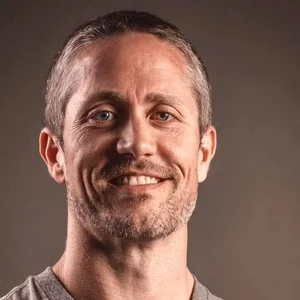
I’m talking with Chef Mario Limaduran, culinary director at Trifecta Nutrition, who has cooked for UFC fighters, NFL athletes, Olympic-level competitors, and NCAA Division I wrestlers.
You’ll learn why food quality matters, but quantity still drives weight loss, muscle building, and performance. We cover how a performance chef builds meals around protein, carbs, fats, satiety, sauces, and real-life meal prep.
Mario also explains why goal-based nutrition beats rigid named diets, how to cook better at home without becoming a chef, and when meal delivery can support evidence-based nutrition.
Go to witsandweights.com/question and drop the secret code for a chance to win an entire week of free meals from Trifecta!
Timestamps:
0:00 – Why clean eating stalls fat loss
3:03 – Sourcing food for performance
5:35 – Using the exchange system
8:42 – Consistency beats food labels
12:58 – Refeeds and the 80/20 rule
20:05 – Named diets versus goal-based plans
22:06 – Satiety, macros, and smarter sauces
35:58 – Simple weekly meal prep structure
-
Why clean eating stalls fat loss
Philip Pape 0:00
You know that person who switched to organic everything, cooks at home, eats mostly whole foods, and still can't figure out why they can't lose fat. That might be you. And the problem isn't your food quality. It's how quality and quantity work together or more often don't. Today I'm talking with a chef who's cooked personalized meals for UFC fighters, NFL athletes, and Olympic level competitors. And he's going to explain what he sees go wrong when everyday people try to eat clean without the structure that actually makes it work. Plus, stick around because we're giving away an entire week of free meals. But the catch is you have to listen for the secret word later in this episode. Welcome to Wits and Weights, where in every episode we put a popular piece of fitness advice under the microscope, find the hidden reason it doesn't work, and give you the deceptively simple fix that does. I'm your host, Philip Pape, and today we're examining the claim about eating clean and losing fat. It sounds obvious, eating whole foods, eating lean proteins, lots of vegetables. Nobody argues with that, but a large number of my clients come to me already eating well and they're stuck. They're frustrated because they did the thing everyone said to do. It didn't deliver the body composition or fat loss changes that they expected. So what's missing? My guest today is Chef Mario Lima Duran, culinary director at Trifecta Nutrition. Mario has a degree in culinary nutrition from Johnson and Wales University. He spent his career at the intersection of real cooking, but also sports performance. He was a chef at a two Michelin star restaurant in LA. He cooked for NCAA Division I wrestlers at Cornell. He ran a kitchen for NFL, NHL Olympic athletes. Such a resume. He also built and ran the culinary nutrition program for the UFC Performance Institute, cooking personalized meals for fighters during fight weeks around the world. So he's one of the few people around working in commercial meal delivery who has this depth of both culinary training and applied sports nutrition experience. So by the end of this episode, you are going to understand why eating clean without structure might be keeping you from making progress. How a performance chef thinks about building meals that are nutrient dense, protein optimized, and of course delicious. And what practical strategies you at home can use, whether you cook yourself or use a meal service to make the nutrition match your health and physique goals. Chef Mario, welcome to the show, my man.
Mario Limaduran 2:34
Philip, pleasure being here. Thank you so much.
Sourcing food for performance
Philip Pape 2:36
All right. So, you know, we've never had a chef on the show. I was talking about that before we recorded. And I'm just curious about your process, really, to start off. Like when you prep food for someone who is performance-minded specifically, so whether they're an athlete or lifter or somebody listening here, what do you think of first? Like, do you start with macros and micros and then make it fit? Do you look at food quality? Is it taste and preference? Like I'm really curious about your process and the order of operations.
Mario Limaduran 3:03
Yeah, yeah. That's a great question. So when you're cooking for anybody, you got to start with the sourcing of the ingredients, right? You go to the supermarket, you go to Costco. Um, when I was with the UFC, I would use a lot of uh Amazon delivery from Whole Foods and getting the highest possible quality produce, proteins, starch is essential to create a healthy, nutrient-dense meal, right? So uh the sourcing of the food is definitely important. Conventional food, um, mainly protein speaking, tends to yield a less nutrient-dense protein. Conventional and organic produce, there's no difference in the nutrition density. Um, there's some concerns around the um the pesticide use, um, but generally speaking, you can get the same nutrient density from a conventional food or a fruit and vegetable as a as an organic one for half cost too. Same goes for starches. Sometimes it doesn't really make sense to buy organic, you know, but you still want to source fresh produce, you still want to source uh not overly ripe or underly ripe produce, um, otherwise you're not getting the the the bulk of those nutrients there. So we start with that, and then as as a chef, as a cook, um, that's that's definitely a big focus. And also, you know, the care with which the food was grown translates into the plate one way or another. That's very true. So there's some advantages to to you know the the higher end proteins and whatnot. And then we work with the athlete to figure out what their macronutrient needs are. Macronutrients are proteins, carbohydrates, fats, and that translates to calories. And so I typically work with uh registered dietitians who do the intake conversations and the intake interviews, and then they are the ones who help me with that portion, figuring out what their macronutrients are, and then they give me, okay, this is the total daily caloric macronutrient needs. Then we break it down into main meals and then snacks. And so from there, it's very easy to have the profile of a person and understand, okay, this person needs 28 grams of protein, 30 grams of carbs, and five grams of fat, just for easy numbers there uh per meal. And so go ahead and do your magic and play to that way. I follow the exchange system. Have you ever heard of the exchange system, butchins?
Philip Pape 5:35
I don't think I'm familiar with that one.
Mario Limaduran 5:36
Okay, so the exchange system was originally created by dietitians to help diabetic people learn how to use a weight scale, measuring spoons, and measuring cups, and serve their food in a very consistent basis. So essentially, a serving size is equivalent to a certain amount of grams of a micronutrient. So, for example, a third cup of rice is equivalent to 15 grams of carbohydrates. And so there's the fat, the carb, the protein, and this system is very easy to understand. Don't want to give you guys too much information all at once, but I've become very good at understanding that system and have used that system to essentially divide the grams needed per meal into a serving size. And so, for example, in this example that we were just talking about, 30 grams of carbohydrates would be equivalent to two-thirds cups of rice. Five grams of fat would be equivalent to one tablespoon of a fat-based sauce or uh a quarter of an avocado. And you can mix and match with the servings. You know, that's that's where the creativity on my part begins to grow, and I can just mix and match based on the serving sizes of the exchange system.
Philip Pape 6:50
Yeah, yeah, I want to sit on that. You typically draw on food databases. One of the things we talk about is the more you weigh, especially when you normalize it to like grams, the more you can recognize, like in a restaurant, okay, that's 100, you know, 20 grams of whatever. What you're telling me is you essentially have memorized kind of a library of what standard foods and their portions versus the grams. Is that what you're saying?
Consistency beats food labels
Mario Limaduran 7:10
Correct. Yeah. So yeah, first I'll give you a quick example. For sweet potatoes, it's half a cup, but for potatoes or and sweet potatoes is half a cup. For quinoa is a quarter cup. For rice and most of starches and uh grains and legumes is a third cup. That it and that serving is equivalent to 15 grams of carbohydrates. Um, for fat, one exchange is five grams. So a tablespoon of oil would be five grams of fat. But you can interchange and use that serving of fat to make sauces and then and we'll get into that in a little bit, and then serve very easily, just grab you know, a chimichuri sauce and serve one tablespoon, and you know that you're giving them five grams. Of course, I've done a lot of work on this, and in order to prep for cooking for these athletes, I've analyzed a lot of recipes and I've made sure that the recipe that I'm following is yielding the exact nutrition that I need in order to follow this exchange system. So that's pretty much the system that that I follow. And then as far as protein, one exchange of protein is equivalent to three ounces or 21 grams of protein. The the original system calls for one ounce or seven grams of protein being one exchange of protein. But the performance industry has evolved in use that made 21 grams the one one exchange. That way we can give people the basic needs of a high protein meal by just uh by just using the the one equals 21 instead of one equals seven. So it's three times that original serving size. I got it.
Philip Pape 8:42
So then you can have a couple exchanges per meal or whatever to hit that 40 grams. Yeah. Okay. Wow, fascinating stuff, man. So what I like is the level of precision. It also hits on the fact that it isn't just about what matters, obviously, for quality and like you said, sourcing and all of that. But if you're gonna meet some goal, you know, for energy intake and also for macros, and it sounds like even from a health perspective, if you're diabetic and whatever, that you need to be precise in some way, right? And I think the average person listening kind of generally understands that in terms of tracking calories and macros, but you kind of take it to a another level, right? Like with the RD involved and you involved. So let's segue that into the idea of everyone out there who doesn't want to track or isn't tracking or thinks it's obsessive or whatever, but they have a goal and they think they could just eat certain foods. And that might come in the form of a named diet in a book, like we all know them, you know, keto and carnivore and all of the others, or it might come in the thought of like there's good and bad foods, or there's clean and not clean foods. And by the way, we you know, we take a very agnostic approach here of most foods are perfectly fine as long as they meet your other needs, you know, your nutrient, your calorie, and your macro needs. So, like, what are your thoughts on that whole space?
Mario Limaduran 9:54
Yeah, no, 100%. I mean, I'm I'm of I'm very much of that same philosophy. There's no moral weight to to food, it's not good or bad. Um, you know, you can have a fried chicken sandwich. I love fried chicken sandwiches and I have them once or twice a month, and I'm still very healthy because I'm keeping track of my diet 80% of the time, right? So that allows me for that 20% to be a human being and enjoy the sensual experience of having a food that I really like. I also deeply believe that food has a spiritual connection in many ways. Like when you eat a good meal, you're just like so joyful, and it just changed it. There's some energy there that really heightens the experience of just living, you know. So, and then going back to your original question, yeah, I mean, eating clean, um, clean for the lack of a better term, I don't do not like that word, but um, eating healthy and eating, you know, uh high-quality food and healthy meals with vegetables and whole grains and high-quality protein, that's part of the equation. But if your body is not getting consistent energy day in and day out for a long period of time, then it doesn't know what to really do with the body composition. Because if you're not if you're thinking that you're giving the enough protein to your body to sustain and then help you put on more body uh more muscle mass, you're thinking that, but you really don't know. If you think that you're giving your body enough energy through carbohydrates, but really you're over or underdoing it, then that has an effect. Same with fat. You know, fat has a direct effect to hormone levels in satiety for that matter. Um, so if a person is looking to attain a very specific body composition goal, being very consistent with one's diet is an absolute must. And that comes with making sure that you're serving yourself the exact amount of food day in and day out. Our bodies reward us by being consistent and by getting the exact amount of energy that that the body needs. Otherwise, it's gonna stall that progress that that one is is seeking. So it depends how bad you want it. If you want it really bad, then I say, you know, track and and measure and weigh your food because it's it's that that important.
Refeeds and the 80/20 rule
Philip Pape 12:13
Yeah, there's all there's always effort involved. And I like that you said, look, you're either thinking or guessing, but you don't know, or you know. It's pretty clear. And of course, you can develop a skill or an intuition over time doing it over and over and over again, just like you can kind of probably eyeball portions and know, but you're still knowing because you're measuring it in some way. I want to hit on that consistency factor because I've touched on it lightly over the years on this show when it comes to sleep, when it comes to calorie intake. And I've even seen with certain clients where, you know, they try to do this like up and down, either with protein or calories, and average it out for the week, but because of the volatility, something's off, like their metabolism is a bit downregulated. And it's almost like the body's in a dieting state, even when it's not. What do you know about that? Either the science or just from experience?
Mario Limaduran 12:58
Yeah, I mean, I'll talk about my experience first. I have a culinary nutrition degree. I've been in this industry for the last 16 years. I'm about to be 34 years old, and just now have I finally figured out what my body wants. Like it's, you know, even the experts have an issue applying the the knowledge into one's experience. So, and lo and behold, and I hate to admit this, it was consistency. You know, it was actually weighing or measuring a cup of rice and six ounces of chicken and a cup and a half of vegetables, and adding the whatever sauce I wanted that led me to have the best composition of my life to date. I'm the strongest, I'm I it look great. So I'm very proud of that. But what I wasn't doing was being consistent with my measuring, even though I knew I had to be, right? And I wasn't um I wasn't week in and week out. I was being very healthy, then going out and not being too healthy, and then so on and so forth. And that I spun my wheels for years and years and years. Nutrition doesn't have to be hard. It's I think made hard by the amount of over information and disinformation that we have in social media nowadays. But consistency and being very thoughtful and knowing your numbers on what your body needs week in and week out for three, six, nine months will get those results.
Philip Pape 14:27
How does that reconcile with nonlinear approaches like carbon calorie cycling and also weekend refeeds? Because there is some research supporting, for example, a weekend refeed during a fat loss phase or a calorie deficit could actually have a slight advantage for lean mass retention versus not. I'm curious about your thoughts.
Mario Limaduran 14:46
Yeah, yeah, 100%. Yeah, no, I that that's the the science is very sound there. Um, I I wouldn't say, you know, go cold turkey and just be on a calorie deficit for 52 weeks because that's not healthy. I go through refeeding phases, I go through being very strict with my diet, and then one, two weeks I travel and I don't even think about measuring my food, I'm just enjoying food, and then I come back. I read somewhere, I forget the name of the paper, but our bodies don't lose muscle mass or gain fat mass as quickly as we think they do. So two weeks is not gonna blunt your five-year consistency, you know? So going through those motions is also being a human, and again, I mentioned the 80-20 rule. If you control 80% of your input of your intake of food and your diets, your sleep, uh, your stress levels, alcohol intake, you can allow yourself to have those strings, those cheap meals, those days where you're off and you just want to eat something, it's fine. We're all human, we don't have to be perfect.
Philip Pape 15:52
Yeah, and and that's very consistent with like the brain research on how the brain gets used to certain patterns and finds safety in them. And then, like you said, if if you're doing something 80% of the time, the other 20%, your brain sees it as an anomaly as opposed to something to react to. So that's kind of cool. You mentioned the spiritual connection of food, and that's another topic that's fun to get into, whether it's spiritual or enjoyment of food. I mean, I've had commenters on YouTube be like, you know, food's not for enjoyment, it's just to, you know, for nutrition or food's not right. And you get these weird conflating it with right, because it conflates it with like, um, well, if you enjoy food, that's the problem with you know, we obesity and Western diet, blah, blah, blah, blah, blah. So tell us more about the value of just that part of food, like having nothing to do with performance or macros or calories.
Mario Limaduran 16:39
Yeah, I mean, humans are social, right? We're social beings. I think we all can agree that COVID hit everyone super hard because we weren't socializing with people. We're all just alone in our homes, maybe with somebody, maybe not. But I always think about that time because the enjoyment of going out, having beers with the boys, having drinks with the girls, or just going out with the group and enjoying breaking bread is a historically everlasting you see in every part of history of humanity. You know, it's it's just part of who we are. And so to me, I mean, to hear somebody say that they don't enjoy food and it's just for nutrition, and I mean, you're missing a big part of enjoying being in this earth, you know. There's like Middle Eastern food that's delicious, Asian food that's delicious. Like, we are such a rich, I think, race. Earth is such a rich race, and we have so much to explore and so many flavor profiles to see. It's a little overwhelming when I think about it from the culinary perspective, but also I think it's so beautiful because it's again such a social thing to do. And my experience with traveling and going to other countries and eating their cuisine and being part of their culture, it has been very eye-opening in the sense that you know we're really a speck of dust, and it makes me feel more connected with each other, with every other person in the world. So there's that social aspect, but I I also feel like the spiritual side is I don't know. When I eat something, I get this F VF factor. I won't cuss in this podcast, but the FVF factor, that's what I call it. It's there's this inner sense of like, damn, this is so like how is this so good? How can how can you know? And it's just a and maybe it's a chef in me, but it's just a such a joyful thing that just comes up here, and uh, you know, so I think it's just such an important part of being a human.
Named diets versus goal-based plans
Philip Pape 18:39
You make me think of so many memories as you talked about traveling the world, like the first time I had really good gnocchi, I think is how it's pronounced, right? In Italy, right? I know my honeymoon, or when I went to Japan years ago and I was very picky back then, I didn't eat vegetables or anything. And the guy I was with like got me to try everything octopus and like vegetables of all kinds and tempura. And it was just I'm again, I love food. Montreal, I was so surprised. Montreal is only five hours from here. Like the quality of the food there, breakfast, lunch, dinner, you eat a lot of calories because it's just so good. Um, so yeah, yeah, I think I think we need to lean into that and not like judge ourselves for that as conflated with you know the challenges people face with emotional eating and all that other stuff. Let me ask you this. So, you know, just full disclosure, right? You work for Trifecta, we're an affiliate of Trifecta. If you keep listening to the show later on, we're gonna drop a secret word uh that if you if you go to witsandweights.com slash question and give me that word, you're entered for a giveaway for a full week of free meals from Trifecta. But the reason I bring it up is because I know through Trifecta, there's different ways to filter on food. And one of those is types of diets like keto. Um, and I remember when we were setting up our partnership, I said, I don't I don't really want to showcase it that way for me. I want to showcase more about the macros and the foods that are in there and stuff. So is there value or what is the value in these named diets? Like, what are your thoughts on marketing them specifically? Because people want them, I'm sure, um, like versus the value in them.
Mario Limaduran 20:05
Yeah, that's a great question. So uh I'll start by saying that we have moved away from being a diet-specific company and having diet plant or meal plants around a diet like paleo and keto and um Mediterranean, so on and so forth. And now we've moved into what I think is a modernization of the meal delivery industry, a goal outcome meal plan. So now we have uh the performance plan or the the uh I forget the names of it, and we just changed them, so apologies on that. But essentially it's it's a a higher calorie meal plan for people looking to put on weight, the flex choice program, which is for people looking just to eat healthy um and maintain their weight, and then we have uh a low calorie one, which is for people looking to lose weight. We also continue to keep keto uh as part of the rotation and the plan-based, um, since they're so popular, and we've seen we just have a lot of business around this, so it doesn't make sense for us to let go of them. And it seems like people have found um success within that. The keto diet is very good for specific chronic diseases and illnesses, so we continue to support that diet for that reason. And plan-based, you know, it's uh it's here to stay. So we we we support people who are vegan and choose that lifestyle as well. But I'm happy to say that um this move was something that I pushed that we really needed to move away from diet-specific to goal specific because it's it encompasses more people and it helps more people really more clearly understand what we're offering for them. And within that is, of course, every single meal is macro balance, which is the essence of trifecta.
Philip Pape 21:45
Love it, man. Yeah, no, I'm glad you made that move, and I didn't know that it wasn't a setup just so the listener knows it wasn't a setup. I'm looking at it right now and I see what you're talking about, right? The protein build meal, get lean, flex choice, goal based is is really the way to do it, right? Because that's right. To left, like here's my goal. Now let me back up into all the variables for my eat food, my training, my everything else.
Satiety, macros, and smarter sauces
Mario Limaduran 22:05
Yep.
Philip Pape 22:06
All right, cool. So actually, you know, one thing came to mind when we were talking keto was you mentioned earlier about satiety and the fat exchange and all that. I think protein technically has the highest satiety, and yet we hear a lot about fat having high satiety and why it's important for that reason. What are your thoughts on the satiety aspect of those two macros?
Mario Limaduran 22:24
Oh, yeah, great question. Well, yeah, protein 100%. I mean, I just had lunch with six ounces of chicken and I feel phenomenal right now. And I'm in a calorie deficit. So that's been a huge uh part of having that satiety. Also combining it with high volume foods like uh leafy greens and but a lot of vegetables, a lot of like high fiber foods, you know, that helps with uh blunting the hunger cues while when it's in a calorie deficit. Now, to answer your question, fat is very calorically dense. So we talk about high volume foods, meaning that they occupy a lot of space in your stomach, but don't have a lot of calories. They have a lot of nutrients, but not a lot of calories. But fat is very caloric dense and calorically dense. And per gram of fat you get nine calories. Per gram of protein and carbs, you get four. So you're almost getting 2.2, 2.1 times the amount of calories per gram, which means that a very small amount of fat will get you a lot of calories. And it's very easy to overeat if you're not really measuring those correctly, or if you know that you're eating fat. That's why the the fried foods tend to be so unhealthy, right? They're delicious, but it's because they just have so much fat in them that you've been cooked in a fat medium that you're not only eating the carbohydrate that was just fried, you're eating copious amounts of fat as well.
Philip Pape 23:48
Yeah, fat is a classic addition to those who are low calorie, right? To get those calories up, uh, especially when we're bulking. But for that same reason, you know, you've got to watch out. This goes back to the clean or healthy discussion, the fact that you know, nuts and avocado and salmon are all delicious sources of fat, and they're a little more nutrient dense than some alternatives. So it depends on your calorie needs. Let's get into cooking a little bit here. And for those at home, because again, that's your expertise, who are not the greatest cooks on their own, right? Like I think the the majority of people, I'm gonna just put it that way in general, is the majority of people kind of half-ass their cooking or like, you know, they'll look up recipes online, they'll follow them, and maybe over time with lots of cooking, you get better and better at it, right? Do you have like some top tips? Like, let's say your top three tips for people who just want to cook better food at home that they look forward to. They like to prep, they want it to taste good, but it's not complicated.
Mario Limaduran 24:42
Yeah, yeah, yeah. I mean, my mother, bless her heart, most the smartest woman I know, and she just cannot cook a life for her, uh a meal for her to save her life. So um, this is very dear and close to my heart. Um, and unshaveful plug-in here. I I teach this online in my own social media. I teach people how to cook, and this is one of the biggest questions that come to me, you know, like, what do I do? I hate cooking or I don't know how to cook. So, a few tips. Number one, focus on the basics and what you like. You don't need to be a Michelin star chef. Like, there's no need for that. Your cuts don't need to be perfect. If you're just starting, focus on learning a few basics and mastering those. And those basics need to be things that you like to eat. If you are somebody who likes broccoli, rice, and chicken, no shame. Double down on that. Learn how to cook your chicken well, how to season it well, learn how to use stalks in order to add flavor to your rice, and a couple of onions, you know, a couple of chopped onions in there, saute it, mix it in there. You have a delicious rice that doesn't have a lot of calories added to it, or minimal calories added to it. And then your broccoli, you learn how to blanch it, learn how to roast it, learn how to uh saute it and experiment with whatever it is that you can stick for for a long period of time without getting bored. At the point where you get bored, then you learn something new. But by focusing on the basics of cooking, very simple things that you can stick with, that you like, that you enjoy eating, that becomes very simple. Number two, if you don't like cooking vegetables, go to Costco, go to Sam's Club, go to your local supermarket and buy frozen vegetables. I'm a chef and I'm not ashamed to say that I live off of those frozen vegetables. I'm visiting my mom right now in South Florida, and we went to Costco and I bought a whole bag of those vegetables. Being here can get really hectic, and I don't have a lot of time to cook. So that has been a great addition. They have roasted vegetables that have a lot of flavor. Um, they're organic as well, so they're you know, there's that added uh unique salon preposition to them. And that that saves a lot of time because you can just cook, I don't know, potatoes, rice, quinoa, orzo, whatever your preferred starches, and then grab a protein and then drop it in there. Third, I would say proteins is what takes the longest time to learn how to cook well. If you're somebody who doesn't have the means or just don't want to cook proteins, there's a lot of really good uh companies out there that are that are selling ready-to-eat proteins that are sous vide and come sauced. Uh trifecta, we sell proteins a la carte, so you can buy a pound of proteins from chicken to bison to beef, uh, to salmon, and you can just have that and plate it on your own. So we live in a time period where food science is very advanced. You know, we are essentially the result of the frozen meal movement that started in the 1960s. We are the evolution of that, but we've taken a massive step in making sure that the food that we're providing is not high in sodium, is not high in it, doesn't have any sort of um additive um or preservative MSG, anything of that sort. You know, we are a very clean, healthy uh meal delivery. So there's always those options. So yeah, those are the three things that I would advise.
Philip Pape 27:58
Those are great. And uh those first two, especially the making slight additions to what you like to eat. I was thinking of a dinner my wife just made this week, and she's come a long way. Again, she'll she'll admit that she was not a great cook when she started. But you know, she took pork tenderloin, she put some teriyaki soy sauce type sauce she made from scratch. Delicious. She took rice, added coconut milk, you know, and then she took broccoli and she always roasted in a pan with a little oil and and salt, and that's really all you need. Broccoli's so good, you know.
Mario Limaduran 28:26
Sounds delicious, yeah.
Philip Pape 28:27
And there you go, right? Like it doesn't have to be complicated. Exactly. And I yeah, and I always tell people when they're meal prepping, like, go big, you know, like just just just put huge quantities of stuff. Like if you had to prep a protein, what would be your favorite protein or two to prep in bulk?
Mario Limaduran 28:40
Um, I buy the chicken from Costco in bulk. Um like chicken breast or chicken breast. Yep, chicken breast. Chicken thighs, you can go. Uh that's actually, I'm glad you bring that up. Um, if if you're somebody just starting to cook, yeah, I mean chicken thighs is very easy to dry out. So if you're if you want to eat chicken and you want to eat something that's good all the time, chicken thighs is the way to go. I like to change every two weeks and either buy a salmon and just cook the salmon ahead of time, or I buy the steak from Costco and then I just eat steak and that's like my treat to myself. So I also do turkey. So I I like to change again, it's it's the variety that I try to bring to my life, you know. I already know how to cook all these things, so I just experiment from week to week.
Philip Pape 29:26
It's funny with turkey, right? Because at Thanksgiving, they're so inexpensive that I always think, why don't families just buy like 10 turkeys? You know, that'll last, but of course you'll get bored of turkey.
Mario Limaduran 29:35
Yeah, totally and need a space for it.
Philip Pape 29:37
Steak. Oh, I want to ask you about steak because I've had a lot of conversations with people about that. So a lot of confusion over the cuts of steak, the marbling, the tenderness, how to prepare it. You know, people that want to get more protein too and don't want it to be too fatty of a cut, like ribeye, which I love ribeye, but you know, much higher fat content. So, what would be the most, I guess, good balance of economics and leanness that's easy to prepare? Because I know some steaks like are super cheap, but then they're really tough and you need to marinate or slow cook or something like that. Like, what are your thoughts on steak?
Mario Limaduran 30:08
Yeah, um I personally buy skirt steak, and that is the in between your tenderloin and your short rib. You know, um, one's super tough, one is very expensive. The skirt steak tends to be the the middle of the ground. If you can find Terrace Major, which you don't really see that catu uh too often in supermarkets, it's uh mainly used in commercial food manufacturing, and that's what we use at Trafecta for keto meals in our a la carte. It's very tender, surprisingly tender, and it's a very uh economic piece of of meat, also very lean. So those two are my my go-tos.
Philip Pape 30:49
Man, skirt steak with chimichuri, I'm thinking, or uh let's see, uh like uh churrasco, or uh what am I trying to think of? You said you're in South Florida. I grew up in Miami, I grew up in Highland.
Mario Limaduran 30:59
Oh, I'm in Miami.
Philip Pape 31:00
That's a lot of food. Okay, go to Miami, Cuban food, Argentinian food, every every Caribbean uh yeah, so good. Okay. So speaking of sauces, um, I know you know you mentioned sauces once or twice, and that is another tricky area for folks because they can easily add a lot of flavor and even nutrition in some cases, but also a lot of calories. So best maybe maybe the top few sauces people should always like be making for their food or like really easy ones. Like, what are your thoughts there?
Mario Limaduran 31:30
Yeah, yeah. Let me uh let me start by saying this. So when I think of sauces, I I uh classify them in in three categories calorie neutral, carb forward, and fat forward or fat-based. Calorie neutral can be anything like a salsa or a hot sauce. There's sauces that come from peppers and vinegar and tomatoes that don't add a lot of calories. You know, the the serving size is 10 calories per serving in the nutrition label, but it adds a lot of flavor. So if you're looking for a way to if you're in in a cut or if you want to maintain your weight and make sure you're not adding enough a bunch of calories, then uh calorie neutral sauce will be it. Now, if you're on the opposite and you're trying to gain muscle weight, the last thing like you to gain muscle, the energy intake needs to be really high, right? About 500 calories above your your uh maintenance, uh give or take. And so sometimes that can be a lot of food for certain people. If we're talking about linebackers that play in the NFL, like these boys eat a lot. So, how do you give them enough calories so that they can actually meet their caloric needs, but not be overly full and be sluggish in the field? You double down on we kind of touched on this earlier, on liquid calories, but also on carb forward sauces. So your teriyakis, your barbecues, your sweet and sours, those are very carb heavy, sugar heavy for the uh for the sake of this argument or of this conversation, that with one tablespoon you're adding 15 carbohydrates of 15 grams of carbohydrates, or with one cup, you're adding you know a bunch of them.
Philip Pape 33:16
That's 60 calories, yeah.
Mario Limaduran 33:19
And then with fat, fat-based um is a great way, fat-based sauces is a great way to add a lot of flavor, but a lot of add a lot of richness to your meal. And when you talk about fat-based sauces, think about vinaigrette, think about aiolis or mayo, think about any sort of variation from that. For example, if you do chimichuri, like we were just talking, that's really a vinaigrette. It's got a three to one ratio of oil to vinegar, uh, maybe a four to one ratio, and that provides a lot of flavor in itself with a lot of nutrients from the herbs and the peppers that you add to it, but it's also adding a lot of calories from fat, right? So fat is good because it adds richness. So, with those three categories in mind, you know, the most popular, I have a list. I wish I was at home, but I have a list in my wall of the most popular because I'm gonna be making videos about these. But anything that is fat-based, that can be uh an oil, um like uh olive oil and vinegar, like a zoo sauce, which is essentially just a chimichuri but Asian style. You know, it has uh jalapenos, it has cilantro, it has a little bit of oregano and uh coriander, um, whereas chimichuri, it has cilantro, it has parsley, it has a red pepper oil and vinegar. Uh Romesco sauce is another delicious sauce that you can do that's fat-based. Instead of making it with bread, you can make it with nuts, with almonds, toasted almonds, um, and and olive oil, and you have something delicious. Then having your barbecues and your teriyakis, like I mentioned, is something that most households in the United States have. Fat-based, you can also have your ranch. Ranch in, you know, in the United States is super popular. And then your sauces, again, we're gonna go back to that. I personally uh add a lot of hot sauce to my food. I'm Hispanic, so I love I love heat. Um, so that tends to be my seasoning uh when I'm in a rush. Um, so having a variety of those, and it doesn't need to be, you don't need to make these at home. You can if you want to control the the health and and the caloric and added sugar portion of it, but you can buy them in the supermarket. You again, you don't have to do a Michelin star uh chef.
Simple weekly meal prep structure
Philip Pape 35:26
So we've made the rounds through a lot of the aspects of cooking of food, of what's in your food, of why we do it, right? To hit our goals. So, you know, food quality matters, like social connection matters, macros matter, taste matters. You bring all these things together for a typical week. My audience, I will say, is like an average person who has a very busy job, very stressed, maybe they have a family and they're trying to make it all work for the week. Is there kind of a not a template or meal plan, but a structure that's time efficient to kind of think of your whole week and putting it together?
Mario Limaduran 35:58
Yeah, yeah. I'll give you what I do as someone who also lives a very uh occupied life um with a tight schedule. I like to understand what I'm craving for a week. If it's potatoes, I roast a bunch of potatoes, cut them, roast them. I have my my uh vegetables that are bought from Costco, uh frozen vegetables, and then I look at the protein and I typically cook either five to seven days worth of that protein. And within two hours, I can have all my my food portion in my containers ready to cool down. So I just put it in the fridge, cool it down completely, and then cover it. And that's my way of making sure that I have consistency throughout the week. If you want to add a little more variety on a meal, your sauces are going to be the differentiating factor because the sauce is the essence of a dish, right? The sauce is what makes the dish uh a cuisine. So I tend to have a couple of different sauces in my fridge, and I add barbecue to one, I add chimichuri to another one, I add a tabili to another one, and then I just interchange with those three throughout the week until I run out of the sauces. Um, and and and that's that. So it doesn't need to be complicated and that's it, it doesn't need to be fancy, it just needs to work for what you like. And this that's that's essentially you know what I like.
Philip Pape 37:16
That's pretty straightforward. And then for for vegetables, vegetables, it sounds like the frozen veggies are an option, or do you bulk prep starches or vegetables as well, or do you do those more as you go?
Mario Limaduran 37:27
Yeah, no, I I tend to uh to bulk prep uh starches as well, um, with rice and potatoes being the number one that I consume. So I do.
Philip Pape 37:35
Oh, you mentioned potatoes, yeah.
Mario Limaduran 37:36
Yeah, I tend to do five five days at a time because I don't want the food to go bad. And of course, you can adjust this based on what your food beliefs are. If you don't like to put have something in the fridge for more than two days and just prep the food for exactly for two days. Um, if you're okay with five days and prep it for five days. Um adjust is needed. It does, it's it's just a guideline, it's a blueprint, it's not a law.
Philip Pape 37:59
Yeah, yeah. And there's always the freezer, and also some of us have cold spots in our fridge. Like I have a very cold spot in the back top, so like things will last a little longer. Yeah, for sure.
Mario Limaduran 38:09
Absolutely.
Philip Pape 38:10
Um so interesting, two different people asked a similar question recently about resistance starch. So we know resistant starch is naturally in some things like white potatoes, which is considered the top satiety food as far as I understand. But then also when you cook rice and then cool it, it converts some of the starch to resistant starch. And there's this uh theory that some people respond really well to uh an increase in resistance starch for a variety of factors. Is this something you're aware of that you think about or not?
Mario Limaduran 38:39
I I don't have enough knowledge on that, so I can't really speak to it. Yeah.
Philip Pape 38:43
Yeah, it's an interesting thing. Look into it because um there's a few people I know with certain conditions that have responded well to it nutritionally. I'm like, that's and so there's this whole hot carb versus cold carb thing out there that's I thought it was hogwash initially, and I saw some legitimacy behind it. So interesting.
Mario Limaduran 39:02
Yeah, I can't say I've experienced anything with my body, so but yeah, I'll definitely all right.
Philip Pape 39:06
So as far as like the skill of cooking, then what skill or habit like from your experience makes a big difference to learn, whether it's knife skills or using certain equipment or the stove, oven, etc.?
Mario Limaduran 39:18
Yeah, yeah, definitely. Um I'll start with two. First, always make sure that your cutting board is large enough and that it's secured with uh damp paper cloth underneath. Always please start with that. That should be your bot baseline safety. You know, you don't want a moving cutting board while you're cutting something because you can chop off your fingers very easily. And if you haven't done so and you haven't been securing your uh your cutting board up to d up to today, then you're lucky. And then number two, organizing your cooking station uh by having a bowl where your waste goes, and then having a bowl or a continuous where your finished product goes, or having the tray where where you're you're gonna be cooking your food in always helps with the flow of your cooking to be better. Uh that way you're not jumping from one place to another, you're not going to the trash, you're not, you know, those micro sidesteps actually take a lot of time in the grand scheme of things in cooking. And I'll add a third one, um, keeping your knives sharp. Like I cannot stress how important this is. Buying a sharpener, either a whetstone or one of those automatic sharpening tools, or taking your knives to be sharpened at your local knife company knife company, is something that I cannot stress enough on how important it is. A dull knife is ten times more dangerous than a sharp knife, because the sharp knife just goes through the vegetable. A dull knife can actually not go through the vegetable, make you stab yourself or make it, you know, cut yourself at the same time. So I would say make those three things part of your cooking ritual, and you'll become a much better cook immediately.
Philip Pape 40:58
Those are good tips. A cutting board, I hadn't heard that, so thank you. And then my dad was a butcher, so I've heard about the knives. What do you think of the the knife blocks that have built-in sharpeners?
Mario Limaduran 41:09
Uh yeah, those are great. Those are great. Yeah, if you can store them, yeah, if you can store them at home and you have a place, yeah, absolutely. I have I have this, I have the whetstones, of course, um as a professional cook, but at the same time, I also have uh cuisine art, the the one-two sort of like pass you kind of pass the the blade from there's there's these little brown stones and that just sharpens uh the blade. So you can get it very affordably in in Amazon, I think, for less than 30 bucks.
Philip Pape 41:36
Cool, man. Yeah, so we've covered a lot today about cooking food and everything else. I mean, at the end of the day, we're all trying to fuel ourselves with our food, and that is the secret word, guys. It's fuel. Okay. Um and but I do want to kind of segue into what you do and the company you represent in the form of a question first, and then we can tell people where to find you. But um, where do when does meal delivery make sense? Because for for years I've had a small section of clients who they're just so busy and so stressed. Money isn't as much of an issue for them as, say, time and convenience and stuff. So there's definitely a place for it. What are your thoughts on like the ideal situation people would consider it?
Mario Limaduran 42:14
Yeah, 100%. Exactly what you just said. Uh it's it's it's a tool that we now have, and we should be, I think it's it's very exciting to have and to be in the United States and have it as an option to have a surveys deliver the food that you want to eat every week to your door. And so if life gets busy, if something is going on where you can't actually cook, then having this uh meal delivery sent to you ensures that you're staying consistent. And it's not something that you need to stay on forever because meal boredom happens, and we see that in our business. You can turn it on and off as you see fit. But for myself, I've been with with trifecta for the last almost eight years, and um I've eaten trifecta for the great majority of those eight years. Um, I get seven meals a week, um, aside from making sure that our kitchens are are producing our food well, um that they're following the recipe. Well, I also eat it for my own um health and uh consistency purposes, you know. Um I have seven meals that I cook at home, but I have seven meals where if one day for whatever reason I woke up late, I'm sick or whatever, and I have no desire to be in the kitchen, I just reheat this meal and I'm ready to go. So it's a beautiful tool to have that helps with convenience, helps bridge the gaps in time and allows you to be consistent over a long period of time.
Philip Pape 43:36
Yeah, and I'll say you could be intentional and plan ahead too without all the time of planning. In other words, you're not going to DoorDash in the last minute and getting some local fast food or pizza. You know, you're thinking about it, and then you guys have the macro balanced meals that people can then log and track and everything. So that's awesome. All right. So people, everybody listening, if you go to wits of weights.com slash question, you can submit a question for the show or For Mario, and you could also drop the word fuel and say, hey, this is the secret word and enter me in the giveaway for a week.
Mario Limaduran 44:06
No, it's so secret anymore.
Philip Pape 44:08
Yeah, yeah. It's secret if you listen to the show, and it's not secret if you listen to it. So um, so anyway, we want to send folks your way as well. I know you have some content online you just mentioned about cooking. Where can people find you? Where do we want to send folks after they listen to this?
Mario Limaduran 44:22
Yeah, yeah, thank you for that. Um, I am uh very present on Instagram at Chef Mario is my page. I teach the basics of cooking. So if you want to improve your cooking and you want to listen to more hacks of this sort, um I I post uh I post weekly. Um I'm starting a YouTube channel, um, Mario Lima Duran, my name, and then I'm also on Facebook uh posting the same reels um as Mario Lima Duran.
Philip Pape 44:46
All right, awesome. We're gonna throw all that in the show notes. You guys go check out Mario, Chef Mario, follow him, look at his stuff. I mean, this he has the kind of content that's not your like typical, you know, influencer stuff. It's like super helpful. And if you're looking to cook better and you just want to look at good food too, um, check him out. So thank you again, Mario, for coming on Wits and Weights. It's been a pleasure, man.
Mario Limaduran 45:07
Thanks, folks. Appreciate the time. Enjoy the conversation, and hopefully your audience also enjoyed it. So thank you for having me.
Philip Pape 45:12
Thanks, man.