You’re lifting weights. You’re eating well. Your labs look “normal.” So why do you still feel exhausted, bloated, wired at night, moody, or like your body is aging faster than it should?
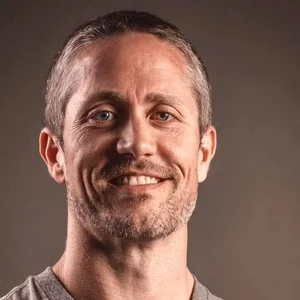
Dr. Stephen Cabral helps us decode why fatigue, bloating, poor sleep, and mood swings can show up even when your labs look fine. We talk about the five signals your body sends through sleep, energy, digestion, mood, and skin, plus how they connect to hormone health, metabolism, inflammation, and recovery.
You’ll learn why sleep comes first, how digestion can drain energy, why stress and gut issues can affect mood, and how to build a rhythm that supports evidence-based nutrition, lifting weights, and long-term wellness.
Join Eat More Lift Heavy to build strength, lose fat, and learn what works for your body, 1 week at a time. Learn to eat more and lift heavy with confidence.
Timestamps:
0:00 – Five signals your body sends
2:10 – Dr. Cabral’s personal health journey
8:05 – Foundations before advanced protocols
12:42 – Sleep as the first lever
21:14 – Energy, cortisol, and daily rhythm
27:44 – Digestion, bloating, and gut signals
35:32 – Mood, inflammation, and overwhelm
40:06 – Skin, hair, and biological age
47:00 – The weekly rhythm reset action
Episode resources:
Website: stephencabral.com
Podcast: The Cabral Concept
Facebook: @drstephencabral
Instagram: @stephencabral
YouTube: @stephencabral
-
Five signals your body sends
Philip Pape 0:00
Perhaps you have a pretty good training and nutrition routine, you're getting decent sleep, and your blood work is fairly normal. Yet you still feel exhausted, your digestion is off, you have restless sleep or insomnia, perhaps unexplained mood swings, or your hair is thinning and your skin is breaking out. My guest today has run over 300,000 clients' consultations, and he says we need to pay attention because everything I just mentioned is your body sending five specific signals. Many of us have learned to ignore, suppress, or even medicate or supplement away. You're going to learn what the five signals are, what each one is correlated with inside your body, and the order of operations to follow before you spend another dollar on supplements at home lab panels or the next protocol promising to fix you. Welcome to Wits and Weights, where in every episode we put a popular piece of fitness advice under the microscope, find the hidden reason it doesn't work, and give you the deceptively simple fix that does. I'm your host, Philip Pape, and today we're discussing the gap between, hey, my blood work is quote unquote normal, and I'm not actually feeling so great. So what is going on? Specifically for active adults like you who are potentially doing the work, lifting weights, moving your body, trying to eat well, maybe getting enough hours of sleep, and yet you still have symptoms like fatigue or bloating, maybe your sleep is restless, mood swings, skin issues, the list goes on, and there isn't a clear root cause. My guest today is Dr. Stephen Cabral. He is a board-certified doctor of naturopathy who has trained thousands of practitioners through the Integrative Health Practitioner Institute. Before that, he's done a ton, he's had quite a career, but he was also a strength coach who ran his own training studio for over a decade. He was an award-winning trainer, and his new book, Personomics, argues that symptoms are signals. They're not problems. And if we can understand them, we can unlock what's next and maybe work on and fix them. So there are five specific signals we should all be paying attention to, and we're going to get into that today. You're going to learn what they are, how to tell which underlying issue each one is correlated
Dr. Cabral’s personal health journey
Philip Pape 2:10
with. Understand kind of the order of operations so we can respond to maybe the most important thing your body's telling you without necessarily jumping into some advanced tests or random supplements. Stick around to the end because Dr. Cabral is going to tell you the single most important thing you can do at home this week to start to better understand and address your health concerns. Steven, welcome to the show.
Dr. Stephen Cabral 2:32
Great to be here. Thanks so much for having me. Appreciate it.
Philip Pape 2:34
So before we get into the signals, which I know everyone wants to know about, I'm really curious how you narrow down the list to begin with, because I understand that is really the premise of the personalized health paradigm that you talk about.
Dr. Stephen Cabral 2:46
Yeah. So for us, it, I mean, it really started with my own understanding of health and medicine. So when I was 17, I woke up one morning and literally swollen glands over my entire body. My mom takes me to the pediatrician, just like she did, probably a half a dozen other times a year for whatever common cold I would have. And what I didn't realize was this day it wouldn't get better. So it would be a 10-year journey into trying to heal my body. And ultimately, what I ended up having was Addison's disease, an autoimmune issue. I had something called POTS, which is postural orthostatic tachycardia syndrome. So basically, walk up a flight of stairs, heart rate's going like 150 beats per minute. Like you literally are not able to control your vestibular-based system as well. I had high histamine level, so mast cell activation syndrome, and I had type 2 diabetes. So I had a whole host of issues, allergies, insomnia, et cetera. And they kept giving me labels like, oh, you have rheumatoarthritis, you have type 2 diabetes, you have addicts, you have acid reflux, or whatever you want to call it, GERD. And each one of those, all it allowed them to do was put me on another medication. So I was on Prilosec for the acid reflux, fluorinef for the POTS, I was on Cortef for the Addisons, and like it just kept going like that. I was on Benadryl for my allergies and Pseudafed in the morning. And it was, it was just, again, it was a terrible way to live. I felt awful. I had flu-like symptoms every day, brain fog, all sorts of hormonal issues. And what I realized was just over time, I started, especially this is in the later 90s. So I just slowly started to understand more about natural health and meet with other practitioners. What I realized was that diseases are nothing more than a pattern of symptoms we give a name to, so that we can then have a medical code, which can then be given to prescribe a pharmaceutical. And I'm not saying there's not a time and place for pharmaceuticals. They can be life-saving, but they will never fix a chronic health condition. And almost every chronic health condition can be overcome. So it took me 10 years to find the right practitioner. But when I met Dr. Pete, it actually took me 10 years to fail enough to finally be ready to get well. That's kind of partly true. And I meet my mentor, Dr. Pete, and I'm better in six months. No more rheumatoid, no more type 2 diabetes, no more Addison's, no more of any of these things. Allergies took another year or two to solve, but then I was better. So no more diagnosed diseases anymore, which means it's not just your genetics, it's not just the environment itself, it's how we rebalance the body at a fundamental and foundational level.
Philip Pape 5:16
So the body is so complex. And what I'm hearing you say is the best we can do in the medical industry, and this is before we had AI, machine learning, and everything, because who knows if we did it from the ground up today, is we take all of these symptoms and we correlate them to a pattern and then basically try to fix it, fix the end of that chain, let's say, with medication.
Dr. Stephen Cabral 5:37
And it simply masks the symptoms, exactly. So we don't want to fix the underlying root cause because if you come off the medication, the disease is back. So we're just masking the symptoms, not fixing the disease itself.
Philip Pape 5:50
So then you talk about symptoms as being signals, which appeals to me in the term of biofeedback and data from our body. So mechanically, I guess, mechanistically, physiologically, I don't know what word we want to use. Like, what is the body doing as we walk around every day living our lives? That then leads to all of these complicated factors that gives us these signals. If that makes sense.
Dr. Stephen Cabral 6:12
Yeah, it does. And so the second book, personomics, is how to like literally brass tacks, because I am a brass tacks individual. How do we just figure out what's wrong with you? So that comes down to deficiencies and toxicities. Your body has too little of something. So it doesn't have literally the raw material to be able to mount the immune attack or whatever it might be, right? And then toxicities is your body's so overwhelmed with heavy metals, environmental toxins, microplastics, viruses, like whatever it might be. It's just weight, mold, right? It's just weighing on the body. So we have to reduce that toxic load and bring up your deficiencies. Personomics is literally how do we figure that out? Now, the first book, though, the rainbarrel effect is what we're talking about now. I published that eight years ago. It's still prevalent to this day, but it's basically like the prequel. So it's here's how we get sick. And over time, your body's telling you that it's not right. So when I was growing up, I had allergies, I had insomnia, I had brain fog. Like those are signals my body is sending me that something's not right. Like though, that is not a natural human state, it is one of energy in the early part of the day and then less energy at night so that we fall asleep. So cortisol is up and then cortisol comes down in rhythms with the sun, right? We are diurnal beings in a diurnal world. Nocturnal animals come out at night. We are not nocturnal. We better hide at night because we can't see in the dark to it like a nocturnal animal, right? So the signals that I talk about in personomics are what we need to be more aware of. Now, I wear an aura ring. Again, I'm not sponsored by them. I wear different biometric devices that make it a little bit easier to also keep track of these signals. But there are primal signals that we should be looking at and we can break down. One is digestion, the other is overall energy, another one is our sleep, another one is
Foundations before advanced protocols
Dr. Stephen Cabral 8:05
our skin, and the last one is our mood in no particular order. And we can break them down however we want. But you will find over time, typically as children, all of these should be on point. And then things can happen. We took antibiotics. Would this happen? And then they start to go downhill. That is your first sign and signal that your body is not optimal.
Philip Pape 8:24
Now, before we get into that, so yes, we're going to get into the signals and then what to do about it. One overriding factor, I guess it's tied very much to skepticism of this whole industry, as well as the idea of the 1%, the idea that a lot of people are not doing the basic fundamentals for their health. You know, they're sitting around all day with desk jobs, they're not moving, they're not exercising, they're not eating well to begin with. And I'm always curious like this is a bi-directional thing sometimes. How much effort and value should be taken to shore up those things first and rule out 80% of potential issues, I don't know what it is, and then deal with this as maybe the 1%, or is it more integrated than that and kind of there's a parallel approach to it?
Dr. Stephen Cabral 9:08
Yeah, it's a great question. So in our practice, literally forever, over two decades, what we've always done is we said, if you have more than 30 to 40 pounds to lose, we're helping you lose weight. And the reason is this, because I started, just as you mentioned in the intro, I started as a personal trainer and nutritionist. Literally, I just started at 18 with an ACE certified personal trainer and NASM. And then I got my C SCS and then like I just kept going, right? But like that's how I started. And here's what I found I didn't know anything about health. I helped people lose weight, and like all of a sudden they got healthy, like, hey, I don't have a high blood pressure anymore. I'm like, oh, that's I that's cool. I had no idea, right? So the big thing is like what you need to do in order. Again, I don't want to, I'm not talking negatively about GLP1 drugs, but they are not doing the things that got you there in the first place. They are a shortcut, and sometimes when you take a shortcut, again, not speaking negatively about them because we might recommend them in cases where someone's a hundred plus pounds overweight, but we need a long-term plan because we don't want to end up, this person doesn't want to end up with osteoporosis. And I could go on and on, right? Potential thyroid issue, potential vision issues, et cetera. So what we say is this though. What we need to do in order to lose 30 to 40 plus pounds over your ideal weight may just fix all of your health issues, right? But if they don't, and now you don't need to have six-pack abs. That that's not a you know prerequisite. Now we work on wellness. If there's anything left, we're working on the autoimmune issues, the hormone imbalances, et cetera, et cetera. Because we know we can help you lose 30 to 40 pounds, I'm sure, just like you, in six months. Like we we we know we can do that. Okay, so now that's done. Anything left in six months? Yes, there is. Okay, because yeah, weight loss doesn't solve everything. Then we work on that. We run something called the big five labs, or we get more specific. We find out what's this person's deficiencies and toxicities, then we fix that. Now there's one more part, and this is the part where everybody's jumping to too quickly: longevity. They're doing, they're using nicotinamide ribozino, nicotinamide mononucleotide, and spermidine and transveritrol, and all these great things when they haven't fixed the foundation yet. And that's the biggest issue. You need to earn longevity or it's not going to work. So that's that's our model, and hopefully that that answers your question.
Philip Pape 11:24
It does. It does. And it it's it makes a lot of sense. The the losing weight part, given the correlation with metabolic disease and a lot of the other issues people have. Where does muscle mass come into that before we get into the signals?
Dr. Stephen Cabral 11:36
So we would never have someone use a GLP one or start a weight loss program without doing at least two days a week of strength training. It's okay, short-term, like that's, but again, we live in a world of short-term wins. And believe me, when I was sick, I wanted to get well yesterday, not in six months from now. So, like, I totally understand that. However, you you really don't want to go out on a boating trip with a boat with holes in it, right? Like it's like that's a disastrous, it's going to sink eventually. We just don't know how quickly. And so, but inevitably we know it's going to happen. So the strength train strength training twice a week is table stakes. That's for every human. Ideally, when I ran all my practices in person, we still do it to this day, we just make virtual programs. It's three days a week. And the reason is that you could do a Monday and Wednesday, but now it's nothing on Thursday, Friday, Saturday, and Sunday. We've got four days off. Metabolically, that's too long to go without stimulating the furnace and the machine. So we like a Monday, Wednesday, Friday, or Tuesday, Thursday, Saturday. And then we'll move in cardio or sauna or other things on top of that. So that's
Sleep as the first lever
Dr. Stephen Cabral 12:42
built into our weight loss programs. And you don't even need a lot besides that, besides your nutrition and your strength training in terms of cardio, just walking, right? But what is really important is sleep. And I don't know if you want to go there now, but like that's critical. Or you could have elevated blood sugar levels, dysregulated testosterone, and et cetera, et cetera.
Philip Pape 13:01
Right, perfect. So that's a segue into the signals. I have them in order of what's in your book, but if we're talking sleep because it's so important, why don't we just jump into sleep and just talk about the main, you know, this is like the dashboard for our body. So people have heard about sleep before, but really, what are they looking for?
Dr. Stephen Cabral 13:16
I think uh myself included, everybody's looking for like that magic number. There is no magic number for how much sleep you need. The more output, and that's not just physical, it's also mental, the more recovery you need. And the older you get, the more that becomes important. So when, you know, I was giving advice even at 22 years old or 18 years old, it's like, well, it's hard to understand someone that's had three kids, two working two jobs and whatever. Like, you can't recover from grueling boot camp style workouts if you're not eating well and getting sleep at night, right? So it's like the the output also needs to match the sleep. And we want strong output. Like we want to be able to do metabolic resistance training. We want to get that body going. But in order to do that, to maximize that, we need to actually start the night before. And so sleep is really the foundation, I would say, which is crazy over nutrition or movement. And it's because if you don't have that, the other two can't be at their maximum. And so seven to nine hours are what most people need, but it's not seven to nine hours in bed. It's actually seven to nine hours of sleep. So if you're tracking it, then it breaks down to okay, like we can really get granular. Are you getting 75 to 90 minutes of deep sleep? That's on an aura. On a whoop strap, they always give you above two hours. It's just way too high. Again, nothing against whoop. I just think it's a little exaggerated in terms of deep. Um, REM should be above two hours, but then there are other factors. Like you actually want to see your heart rates drop within the first four, three to four hours in bed, and you want to see your body temperature come down at least 0.2 degrees. And so these are all really nice factors to look at, or you're recovering. Now, I will give one caveat: nobody's perfect. And that's why I say for me, two nights a month, probably not gonna have a great night's sleep. And that's okay. But the other 28, that's what I need. That's what I'm good. When you start to see multiple nights strung together, that's when we start to get a little bit more worried because inflammation is going to be higher, recovery is going to be poor, testosterone's going to dip in men, and we're going to start to see as the cortisol rises, we're going to start to see blood sugar elevated as well.
Philip Pape 15:26
So, you know, I want to take this from the signal to the fix. And you you jump to the fix, which I love. Like, not just the fix, but you you told us what we want to measure in terms of deep sleep and REM and everything else. Is there something, even if you're not tracking those things, that the signal is ever present, like restfulness, how many times you get up, you know, insomnia, any anything like that, like that that jumps out.
Dr. Stephen Cabral 15:50
Yeah. So I mean, for men, if you're getting up more than once a night to use the bathroom to urinate, you know, there's there's real inflammation there, maybe not just with the prostate, but inflammation in the body. So that's an important one. Now, maybe it is too much fluid consumption within three hours of bed. That's possible, no doubt about it. But we're looking at, you know, kind of the overall picture. And the older you get, potentially the more inflammation, you know, there is and the more swelling in the prostate. Like prostatitis is pretty common in men over 45 years old. Not prostate cancer, but some level of inflammation. But beyond that, for every individual, if you're waking up and you're groggy and you need coffee or you need caffeine, that means you didn't recover. Like there is a definite deficit and you've just become accustomed to it, right? Like you've just gotten used to it. That, well, of course I'm going to be groggy in the morning. It's not in a course. Like within 30 minutes of waking up, you should get the cortisol awakening response. And that should be enough energy that your body gets going. The problem is when cortisol is too high on the other end of the night, it suffers in the morning. So we get this inverse ratio, elevated at night, lower in the morning. And we see that all the time. You know, that's that's one of the biggest ones we test for. It's what we call the stress metabolism test. But again, let's say you can't do any lab testing. So you're looking for grogginess. Caffeine is something that you need to give your body basically a kick, give your adrenals or HP axis a kick to get going. Another one is brain fog in the morning. That's a big one too. So the brain and body don't have the energy they need. Reaction time, people literally, clients of mine, they were like, like, I drop things. I never used to drop things before. And it's like, okay, like the reaction time is part of it, like how quick you are reflex-wise. And I would say then cognitive recall. You know, when cortisol levels are too high or too low, recall and memory suffer. So one is there's brain fog, your cortisol levels are too low. The other one, you're in a heightened sympathetic nervous system straight state, and you just can't literally remember because you have such tenal vision where you put your keys or who the person is that you just met. So those are like my foundational ones. But also in terms of training, if you're sore every day, if you're inflamed every day, maybe you are overdoing the gym, but also maybe you're just not getting enough sleep and especially deep sleep, which happens in the first four hours of the night, typically between like 10 and midnight, 10 and 2 at the latest.
Philip Pape 18:12
Is there any like newer evidence or evidence that you are aware of of the downstream effects of sleep deprivation? We, you know, we don't talk about too much that are pretty insidious.
Dr. Stephen Cabral 18:21
Well, the the first one that I still think is not mainstream is that if you get less than seven hours of sleep per night, real sleep, not just not in bed, you're most likely going to have a higher fasting glucose level than someone, all other variables the same. They just got an hour extra sleep. So now you're battling pre-diabetes or a road to diabetes, type 2 diabetes, just from sleep alone, not carbohydrates, not anything like that. And so that's a really crucial one. The second one is I work with a lot of men that are using TRT, trying to come off, or they're trying to boost their testosterone levels naturally, or they're trying to work on fertility. And I test them, and their free testosterone might be like a 75. And ideally, I want it somewhere around 110 to 140, right, for their free testosterone, naturally. And so when I look at that, I say, okay, you're weightlifting three to four times a week. You're eating, you know, plenty of protein. So like you're you're doing those things right. There seems to be enough vitamins and minerals that your body needs, the zinc, the vitamin C, all the things that your body needs, right, to make testosterone. Oh, but you're sleeping six hours a night. Okay. Can we fix that? And if the answer is yes, great, then we do that. And six weeks later, testosterone's surging again. Like it doesn't take a lot to reboot. Um, so inside of your brain, you have something called the hypothalamus. The hypothalamus is the master regulator. It then signals the pituitary gland to send out signals to the individual glands. So the master one would be the HPA axis, so sends a signal, hypothalamus pituitary to the adrenals, right? The adrenals, are we stressed or not? Hopefully, we're not stressed all the time. Hopefully we're not in chronic stress, right? And hopefully cortisol is low at night so that melatonin can rise. So if melatonin rises and cortisol is low, then testosterone can then rise the next morning. But that doesn't happen if you don't get good sleep and cortisol stays elevated. So then the next one, though, is the HPT axis. That's the thyroid that's affected. Happens in more women, about double the rate, right, of low thyroid than men, but it does happen in men. And the last one is the HPG axis. That's the hypothalamus pituitary gonad or gonadal axis, ovaries in women, testes in men. So you throw off the first one, the HPA, it throws off the other two, and that includes testosterone production.
Philip Pape 20:34
Great. Yeah, people need to hear this. People need to hear this.
Dr. Stephen Cabral 20:37
So it's a little complex, but the truth is that, but like it's like so those are real underlying root causes, right? Yeah. Elevated levels of stress with not enough sleep being aka recovery leads to low testosterone. And so if you do test low testosterone in your 30s, it's my opinion, but having done this for 26 years, longer with part-time, you don't need testosterone in your 30s unless there is an actual medical condition. And then we could talk about that. Because once you go on it, it's not as easy to come off as people think. You can, but so I'm just saying, use it when you need it, when the time is right, if you choose to, but let's try to stave off that as long as possible if we can.
Energy, cortisol, and daily rhythm
Philip Pape 21:14
Right. Because we're concerned about endogenous production and all that when you start going on it.
Dr. Stephen Cabral 21:18
The root causes as to why it was low in the first place, right? So you can go and test ostolone in your 30s and 40s, and trust me, you will feel better. But you never fix the things that may cause heart disease or type 2 diabetes in your 50s. And guys are susceptible to heart disease in their 50s. That's legitimate.
Philip Pape 21:34
All right. So that's sleep. Now that I get a I guess a good corollary would be one of uh would be energy, because it's kind of some for a lot of people, it's somewhat in the same ballpark or there's a little bit of overlap there. So maybe we let's go to energy. What do we mean by that? Because it's kind of a nebulous term. Do we mean like that afternoon crash? Is it related to cortisol? Like we've been talking. Is there something bigger than this?
Dr. Stephen Cabral 21:53
So when it comes to energy, what we want to look at is that normal diurnal rhythm. So what that means is that cortisol, so that's the Energy hormone produced by our adrenals, sometimes called the stress hormone, but it's really important because when I had Addison's disease, it means you can't produce cortisol. No cortisol, no anti-inflammatory. So when you think of taking pregnisone, which is a steroid, but it's a catabolic versus anabolic, you're basically decreasing inflammation. Well, one of the reasons why I felt like I had flu like symptoms all the time is that I wasn't producing cortisol. So it isn't very necessary. So cortisol is typically produced between six and eight in the morning at its highest peak. And then it just slowly falls through the day. And its lowest point is based on the sun and based on the season, but it's usually around 9:30 p.m., which is a signal to us as to when we should really be in bed, right? So we don't get that second wind as it starts to rise again. So, in terms of energy, we sometimes we have unrealistic energy expectations. So I believe we should have energy all day, but it doesn't mean that at like eight o'clock at night or even seven o'clock at night that we should be rearing to go like we were at seven in the morning. That would be stress-based energy, not natural production of energy. So naturally, we want to start to wind down with the sun. Literally, that is how our hormones are built into nature around us. And it would be very apparent if we still lived outside. So let's say you just say we lived in, you know, tents or anything like that. When sun rises in the morning, cortisol rises, melatonin drops, we're waking up. It's just the way that it is. And then as the sun starts to set, we're getting tired. But also, think about all we have is maybe a fire for light. How much are we really going to do? Not a lot. Work's done for the day, right? So we tell stories, we chat, we commune, then we go to bed, and then we wake up with the sun. That's a normal diurnal rhythm. Now I know some people work overnight, they've got night shifts, they have all those things, but that doesn't mean it's necessarily healthy. So you do that for as long as you need to. And then ideally, if you can start to shift into a more normal routine, we want that. So, yes, no energy post-lunch is not ideal. No energy, brain fog, grogginess, all of that in the morning, not ideal either. We'll talk about the no energy post-lunch, because that then feeds into digestion. That remember, digestion takes like a third of our energy for the day. And if you have weak digestion, even more, which is zapping your energy. So the goal is what takes out our energy, what brings it in? When I work with clients with energy-based issues, I said, I want you to look at your life and all the activities and ask yourself this does it bring in energy, like a walk, a nice conversation, meditation, relaxation, bineural beats, sauna, parasympathetic things. Or is it giving out energy? Hard workouts, maybe even cold plunge, which excites the nervous system, all the different things that gives out energy. And then we say, for right now, we want to do as little of the things that give out energy and more of the things that bring it in while working on the deficiencies and toxicities.
Philip Pape 24:49
I like that concept because there's this additive symmetrical piece to it that I think we don't talk about a lot, which is that bringing in part, where I think oftentimes we think food is energy, but like nothing else brings in energy because we're existing and metabolizing and burning energy all day, even if you are meditating or walking. So tell us just a little more about that, how it brings in energy. Is it a function of the two types of the sides of the nervous system? You know, is it another component related to cortisol? Like physiologically, what are we doing there?
Dr. Stephen Cabral 25:20
So when we look at all the activities that I name, binaural beats, breath work, sleep, walking, those are all parasympathetic nervous system inducing. So you named basically the autonomic nervous system or specifically the central nervous system, which then branches to the sympathetic nerves, that's fight or flight, and the parasympathetic, which is rest, relax, digest, right? Repair. So anything that shifts us away from the fight or flight allows us then in a repair mode, because our body knows how to heal. We need to get there. And that's why sleep is really so important that when you're sleeping, ideally, you're always in parasympathetic nervous system. So that's when you heal. So when you're not feeling as well or you're an athlete that's training for hours a day, like I work with triathletes, I mean, their average race is like 10 to 13 hours with the people that I work with. That they're training for three plus hours a day. You need a lot of sleep. It's not seven hours of sleep for a triathlon for a triathlete.
Philip Pape 26:16
If sleep is dialed in, let's say you're hypothetical, let's say sleep is 100% dialed in, you could still have energy issues, correct? And then what are those caused by?
Dr. Stephen Cabral 26:25
Oh, 100%. So I work actually, I work with a lot of women in my practice. And what we'll see is we'll see lower levels of progesterone, lower levels of cortisol production, lower levels of thyroid production. And all of those are needed in order to have proper energy as well. So they'll end up with estrogen dominance. Low thyroid is basically low metabolic rate. It's not just low metabolism, it's not just weight gain. Your metabolism is so much more than your weight. It's literally your metabolic function, your cellular function. So we look at everything from mitochondrial issues with ATP production to the thyroid itself to estrogen progesterone, low levels of testosterone will lead to low, low energy. So, besides the vitamins, the minerals, if you're low calorie, low carb, you could be low energy. So we look at that as well. I mean, everything goes into energy, right? Like that is how your body's functioning. And if you're depriving it of nutrients or you're zapping it of nutrients because there's too much of the sympathetic nervous system with not enough of the nutrient ad back, that can be detrimental. Meaning, like most people don't do well with a one meal a day diet once they're past their like 20s. They simply don't have the reserve capacity to be able to work all day on fumes. That's a pretty tough one. But I will say at the same time, and I know that we'll eventually get there,
Digestion, bloating, and gut signals
Dr. Stephen Cabral 27:44
some people feel better not eating, and they feel better not eating because their digestion is so bad that they cause an inflammatory event and so much energy being used to break down food. So for them, like, no, I have more energy when I don't eat, right? With no calories coming in. Well, what are you living off of if there's no calories, right? It can't be ketones alone because that's not enough.
Philip Pape 28:04
Let's go to the next one because you did mention post-meal type energy and how it's tied to digestion and maybe elimination. And that brings up the gut and you know, bowel movements and gut health in general. So let's go there.
Dr. Stephen Cabral 28:18
Yeah. So digestion does encompass just what you said right there. So when you eat, you should be able to digest your food without bloating in gas. Like that's a big part to it. You shouldn't be burping, you shouldn't have a lot of gas, you shouldn't have bloating. Now, if you have those things, that's a signal. The signal is there's some breakdown in digestion, not enough hydrochloric acid or acid production in the stomach, right? Not, and we can talk about acid reflux and all that, which is very rarely from too much acid, or unless it's from a histamine-based issue, et cetera. There can be issues with the lower sulfageal sphincter, so not actually closing when you're eating, that can lead to acid reflux. There might not be enough enzymes, there might not be enough bile dropping from the liver, you might poor job food combining. There simply might be too much volume of food at the meal that it's literally overstuffing the stomach. That can be an issue as well. So then, you know, as you said, eliminating, are you having bowel movements at least once or twice a day? If you're not, you're either under-eating or you're constipated in some way, or there's another breakdown again with bile production, et cetera, that we're not getting all of this moving down. There's not enough peristaltic movement potentially from tension, or you're dehydrated. There could be so many different reasons, but you should be eliminating at least once or twice a day. If you eat three times a day, you should be eliminating at least once or twice a day. And so we look at that. And then digestion should not also cause fatigue. If digestion causes fatigue, it could be it could be a food sensitivity issue, it could be an immune issue, it could also be that your body is not balanced from an autonomic nervous system standpoint. You're in fight or flight. All of a sudden you put food in, your body's like, now we need to digest. And it switches gears too much. There's too much of a pendulum swing from sympathetic nervous system to parasympathetic. Now you're in all parasympathetic nervous system. You might even see like more pale color in your face, and you're exhausted. And so that is not a normal functioning HPA axis or even vestibular system, which keeps the body balanced. So that's how we look at overall digestion. You should be able to eat food, digest it well, it's in and out of the stomach in just a couple hours, and you have proper elimination on a daily basis. It doesn't cause acne, it doesn't cause skin rashes. Those are all the things we look for.
Philip Pape 30:36
So that's a lot. If you were just to simplify and say, like, what are most people not doing that's pro or doing that's contributing to that? What have you seen?
Dr. Stephen Cabral 30:43
Well, one of the biggest issues, so there's five main things, and I know five seems like a lot, but it's only five, which is really great, right? Because then you can just do process of elimination. So you can have candida overgrowth in your gut, typically from taking antibiotics. The second one is you can have SIBO, usually from taking antibiotics or high levels of stress. And I can talk about why that might be caused in a second. You can have parasites, very common, like 25% of people have a parasite, right? Could be from salad bars, undercooked meat, sushi, et cetera. And then the next one is H. pylori, very common bacteria that like 25% of the world has as well. Okay. And it's the same place you can get it. And then the fifth is food sensitivities. So food sensitivities, though, usually come after the gut's already inflamed and permeable, where the immunoglobulin A, M, and G can basically come in, start to attack what's inside the gut or the gut wall, or as it starts to move out, when people say 80% of your immune system is around your gut, it's true. That's where the gut-associated lymphoid tissue is that's essentially responsible for everything that comes out of that gut wall. Now, in an ideal world, we're just essentially excreting all the healthy things for the body: amino acids, individual glucose molecules, fatty acids, nutrients, et cetera. And then it's being processed through the liver and other parts of the body. So that's healthy. Unhealthy is that gut's permeable, lipopolysaccharides are coming out, essentially this bacteria that sets off the immune system. The immune system is now inflamed, and that is now where your genetics get set off. That's when the autoimmune issues happen. There are almost no autoimmune issues without gut issues. Almost none. 90% of all autoimmune issues have at least some origin in the gut. Now, there might still be heavy metals and high levels of stress and other things, no doubt about it. But the gut in the immune system, obviously it makes sense, 80% of the immune system there has a level to do with the inflammation and immune system in the body.
Philip Pape 32:35
It makes a lot of sense when you see that often the solution is to do an elimination diet and start to reintroduce certain foods. At least you see that in the simple if this then that kind of medical advice. So candida overgrowth, SIBO, parasites, H. pylori, food sensitivities. So then, as far as like dealing with this, is there is there something, is it diet related or something else, or is it integrated with these other things like stress that a lot of people can benefit the most from as they're trying to address these?
Dr. Stephen Cabral 33:04
Mindful eating is a huge one. So basically, just literally just stop and do three minutes of breath work, usually resonance breathing. So breathing in as you see the circle expand, breathing out as the circle shrinks, best thing that you can do. It's very simple. Free YouTube videos, it's all over the place. Elite HRV app, your Apple Watch, they all have a breath work type thing for bioresonance breathing. So now you already moved to the parasympathetic, and that will allow for better digestion. It still won't get rid of the Candida overgrowth and the SIBO and the parasites and the H. pylori if you have it. So there is no way that diet alone takes care of that. And we know that because people will go on a keto diet or carnivore diet because they do. They can't have carbs because the carbs are feeding the yeast and the bacteria. Not all carbs, but they're, you know, they don't know specifically what ones, right? And so I get it, I totally understand. But once you have carbs again, it's just going to grow back in kind because you didn't repopulate and rebalance. So that is why I tell people so forever, Ayurvedic medicine, 6,000 years old, traditional Chinese medicine, 3,000 years old, and we have other forms of amazing medicine as well. They all use something to help the gut. So you do have to do something. We do what's called something called a CBO protocol, and it rebalances the gut over 12 weeks. It's a gentle approach, it works. What do they use hundreds and thousands of years ago? Oregano, cloves, thyme, uva ursi, like all of these things help to kill pathogenic bacteria in the gut. But again, like you can use those, but it's better to use a protocol that's structured and kind of proven to work. But everyone for the history of time, Amazon medicine, et cetera, have always used herbs to be able to remove what's there. The difference now today is we also use enzymes that remove the biofilm where a lot of these heavy metals and parasites can live as well.
Philip Pape 34:48
That makes a lot of sense. And we're gonna we're gonna leave the T's on that one for folks to check out your CBO protocol, right? When we connect them with you in the interest of talking about the other two symptoms. Because this is just the tip of the iceberg, guys. I mean, there's so much behind all of this, but it starts with education and awareness that I do like, you know, starting with the signals and understanding there's something you can do about this. There's something your body's telling you right there. You don't need special devices. A lot of this, like you said, is grounded in, you know, I'll say ancient medicine, but it's really just human knowledge that that persists to this day, is a better way to put it.
Dr. Stephen Cabral 35:18
So ancient medicine that's now clinically proven on PubMed. Like that's the nice thing. I mean, that's the amazing thing because I have a like I am very much still skeptical and science-minded, but all I do is just look at what do they use? What do the clinical
Mood, inflammation, and overwhelm
Dr. Stephen Cabral 35:32
studies show? Oh, lo and behold, like they work, right? And so, like, that's the great thing is that we're able to now prove these things to be clinically true. Because the alternative is okay, you take rife or you take diflucan or nystatin, right? For these for these yeast or bacterial overgrowth, but the relapse cases are quite high because you never repopulated the gut as well.
Philip Pape 35:51
Yeah. All right, so let's move on. We've got two more signals to talk about. I think the next one, uh, mood and mental clarity is a good one as well, because again, this could be a little bit nebulous to understand what we mean by this. So I'm sure you'll help us uh make it a little more objective and a signal that we can read.
Dr. Stephen Cabral 36:06
So, one of the biggest things I've seen with people, with often with fatigue as well, is that over time it leads to irritability, overwhelm, and usually worry. So, but you don't know why. Just all of a sudden now you're someone that's just more irritable and overwhelmed and anxious, and that's not you. And so when you look at that, you say, why is that happening? A lot of it is from your body being inflamed. There might be gut issues, and there's low energy. So if we kind of step back again, we say, okay, well, what else has its own brain? Well, the gut does, right? And the enteric nervous system. And it sends signals, right, through the vagal nerve to the brain. Now we've got an inflamed gut, an inflamed body with low energy and poor digestion, telling the brain something's wrong. How does the brain register it? It can't get the direct signal. They're not talking, they're sending signals, something's wrong. We react with, okay, I have no low energy, I'm in low mood, right? But now I'm inflamed, I'm irritable, and now everything is overwhelming because you no longer have the same ability to respond to life. And when you can't have the energy, and everything, again, is so much on your body because your rain barrel is overflowing, you're irritable and overwhelmed. And so I see this all the time in my practice, and there isn't a medication for that. The solution is to figure out what caused the overflowing of that rain barrel so that your body, which then your mind can be less overwhelmed. So literally, we're trying to empty the rain barrel, and now there is no overwhelm or overfilling of the barrel. So that's how mood plays in. And it is usually gradual. It's usually not one thing, although we know a lot of people who, you know, got, I'm putting that in air quotes, got long COVID, which is, by the way, been around for decades. It's called post-viral inflammatory syndrome. Like we've already known about it. It's just we gave it a fun name for the media called lone COVID, that immediately leads to low mood, low energy, low libido, all the lows, plus irritability overwhelm because your body's so inflamed. It can't, everything is now too much for the body. When you're in survival mode, you're not focusing then on thriving. And so everything makes the shift. You don't have the same get up and go, the same interest in life. You don't look forward to vacations or set big goals for yourself because all you can do is get through the day. And I was there. I mean, I was literally there for a decade. And so I totally get that and empathize with my clients. There's no hope for the future because the present is so dim.
Philip Pape 38:49
Yeah. And anybody who has any, anybody who has experience with a physical ailment, let's say I have personal experience with shoulder issues where you can't train or you can't do this or you're limited in life, we know that it cascades to mental issues and your mental health. So it totally makes sense. Even when it's deep inside, almost hidden inside you, except it's not hidden inside you because you're listening to this podcast and Steven's telling you how to how to read the signs. So leading to the case.
Dr. Stephen Cabral 39:19
But now that the mind's feeling it, it sends signals back to the body and it makes you even worse. So that's why it's a vicious cycle because your psychology affects your physiology, like your physiology affects your psychology. And so that is why we need to work on both. But if it didn't start in the mind, which most likely it didn't, it started most likely in the nervous system or the proprioception of the body. That is ultimately where we need to figure it out, which will then help the mind. And yes, in the short term, the ashwagandhas, the phospholocerines, the Lthenines for calming, or the rhodiolas and liquor shrub, et cetera, for the getting going, great. You can use those, but they're not underlying root causes, right? Because you don't have a chaga or liquor shrug shortage, right? That wasn't that wasn't the cause.
Skin, hair, and biological age
Dr. Stephen Cabral 40:06
So, but they're good. Don't get me wrong. I definitely, Ayurveda's recommended them, so has TCM for thousands of years. Who am I to go against that? What I'm just saying is we need to figure out what the real issues are in terms of the deficiencies and toxicities.
Philip Pape 40:18
100%. We want to flip that around too and take that vicious cycle and make it a positive upward spiral, which because it goes the other way too, which is great. So the final signal, skin, hair, and nails, it's an interesting one. I was listening to, oh geez, probably it was my wife listening to a podcast with a an aesthetician and talk. They asked her, you know, do guys, most guys you talk to care about anything you you care about? They're like, pretty much no. Like guys will just use shampoo as soap, and they don't most of them don't think about their skin and hair now. So I always see something like this, and I like want to kind of put it to the bottom, but I know it's super important as well as a symptom and a signal. And I want to understand why.
Dr. Stephen Cabral 40:56
Yeah, so it's interesting because again, I'm probably like a lot of guys, I don't have a seven-step face protocol. I like to get in and get out of the bathroom as you know, as quickly as possible. But that doesn't mean that how we appear in the mirror is not a signal for what the inside of our body looks like. Meaning the more inflammation, which by the way, inflammation always has a root cause, and the more degeneration or catabolism taken on inside of the body shows itself on the outside. So if we have, and again, losing your hair is not a sign of poor health. I just want people to know that. It can be, but there are many people due to genetic presusceptibility, androgenic alopecia, which is the specific type of convert, higher conversion to DHT, it doesn't mean that you're unhealthy. But like I said, but it can be that that is something to look at. But when your skin starts to really wrinkle and thin out, and you start to get age spots or skin tags or things like that, they are real signs that inside the body there is damage and you're not repairing it as quickly as you could. Now, do we all get wrinkles? Yes, without a doubt. Does all of our skin get a little bit thinner? No matter what. By the time now, this might change by the time you and I get to 80, but for right now, all of us age and we can't stop it. We can slow it. So what we try to do is just say, well, what does help with collagen production? What does help with inflammation inside of the body? And hopefully then we are not looking our age. That's really about like I don't have a particular issue with people getting older. I'm not one of those individuals. I'm gonna get older and I'm totally okay with that. But I don't need to be older than my time, and it is probably an expression of my biological age because they show people that look older, they have an older biological age than their chronological age or at least a one-for-one. My goal is to always keep my biological age at least a decade younger than my chronological age. I so far have been able to keep it at about 15 years younger. Now, maybe with a viral illness or something like that, it might change for those months or so because that does actually take a hit on the body, but you recover and that's what you want to maintain. So let's say that your skin, sorry, let's say that your hair doesn't grow very quickly, or your nails don't grow very quickly. That's often a sign of catabolic nature, low vitamin mineral potentially content, low protein intake, et cetera. So I do, or even low thyroid. So I like to share with people these are signals, not that we need to, you know, try to, as they say now, look smacks or anything like that, but do things that are beneficial more for the inside than the outside. All the creams and all that are not going to help too much in the long run. What really matters is what's going on underneath the skin.
Philip Pape 43:41
So give us one or two of those, right? You mentioned protein intake. Let's just maybe mention one foundational thing that a lot of our listeners are probably eating enough protein, but maybe not. One of those, and then maybe one that's a little more counterintuitive or people aren't aware of.
Dr. Stephen Cabral 43:54
Yeah. So, I mean, a lot of people are going to get their protein requirements met, and this might be controversial. Commercial at about 0.6 grams per gram of body weight, that will go up the more you train. And it will go up, like you'll do it higher if you're on a low carb diet. And it will go up if you're an athlete. So, like again, I have some people at one gram per pound of body weight. They're athletes, they're doing specific things. Okay. But we do need to make sure that that's at least met. On a 160-pound person, it's still 100 grams. And a lot of people are only getting 50 to 60 grams. So certainly they're not getting enough, right? So we need a certain amount of protein to meet our requirements. And the more we train hard, the more that we need to recover, the more protein we need. That makes sense. Okay. So we have that. Then we do really need not a specific amount of carbohydrates, enough to meet our needs, but we need the brightly colored fruits and vegetables because they provide the polyphenols that ultimately improve overall inflammation in the body. So that's really important. And then fats, fats vary widely, part of it based on genetics, part of it based on metabolism. And that can be anywhere from 10% to 30% of your diet. Again, it varies on some people. Now, of course, if you're on a keto diet, you're at like 70%. But I would say, and I would argue all day long, that that's not a great long-term diet. Maybe you use it in the short term, but not long term. So it is balanced, but it's really healthy, clean proteins, brightly colored fruits and veggies, and then quality fats. And the best quality fats, without a doubt, are olives, olive oil, and avocados. So you can eat other fats, not that you can't, nuts and seeds, great, et cetera. And you'll get fat from meat. You don't need to add more necessarily there. But the mono and saturated fats are one of the best things that we can do for overall heart and inflammation of the body.
Philip Pape 45:33
Yeah. I can't argue with any of that. And we were joking how I first heard you on Mind Pump. And I'm, you know, those guys are all about balanced and macros and everything. And, you know, the it's nice to hear these concepts repeated again just for intake because people tend to be confused. But that 0.6, 0.7 grams per pound of protein, 30% of fats, of calories from fat, you know, mono and polyunsaturated fats, you know, unlimit your saturated fats. And then carbs are great. And we love carbs, especially if you're trying to build muscle, but definitely have the fibrous, colorful fruits and vegetables in there. Love it. Okay. Good stuff.
Dr. Stephen Cabral 46:03
I just want to say carbs are the only thing that cut cortisol. Right. So, like, yes, if you want to look at like if you're stressed and you're low carb, that's a recipe for just destroying your thyroid and further aggravating your adrenals and poor sleep. You have a little carbs at dinner, sleep's already better. So it's like, because it helps produce more serotonin and GABA. And so, you know, all that calms the nervous system. So carbs shouldn't be the enemy. I'm like, I mean you may be on there as well, but like on an island over here being like carbs aren't the enemy, you know? And so, because when you look at like you legitimately unbiased, well, here's the thing: if your main goal is body transformation, I get it. You're gonna go higher protein, higher fat, a little lower carbs. Totally get it. I've been doing that for years with my clients, right? So makes sense. But ultimately, if it's about wellness and longevity and you don't need to be single-digit body fat, we can start to look at it a little bit differently. We say, okay, well, if max fat's about 30% and protein is about 20% of the diet, because like just depending on how many calories you're eating, okay, then what's
The weekly rhythm reset action
Dr. Stephen Cabral 47:00
carbs? Well, we just do the 50%. Oh, 50%.
Philip Pape 47:02
Yeah, exactly.
Dr. Stephen Cabral 47:03
Exactly, right? And then it could just be lower glycemic and it could be veggies, and anyway. So, but yeah, that's that really is. If you just it's I know it's a generalization. Now we're looking at the Mediterranean diet, which is has the most foundation around it, and you can just tailor that for your cut your specific needs.
Philip Pape 47:20
Okay, maybe the last thing here then is you know, people are hearing all this, you've got all these signals. Is there anything someone can start with this week to maybe make it less overwhelmed if they're feeling stressed hearing this, like, oh my God, everything's wrong with my body? It's let's flip it around. No, these are things you can learn about your body. And and and there's these just five things. How can people start this week and take one action that would really benefit them?
Dr. Stephen Cabral 47:41
Well, if we put sleep in the superposition where everything gets better if you get good sleep and everything's worse if you get terrible sleep that night, then we have to talk about sleep first. So, what I say is this, and I'm not the first one to mention it, but three, two, one sleep formula is a great framework. Three hours before bed, no more eating. Two hours before bed, stop drinking any fluids, maybe just a little bit with your supplements if you take any before bed. And then one hour before bed, no more blue light. Blue light blocking glasses, but really you got to turn the lights off unless they're like wrap around blue light glasses. And then, you know, read a good book or something like that, or meditate or breath work, anything to calm the central nervous system is excellent. So, what our clients do is basically in an ideal world, I know we don't all live in an ideal world, stop eating around six, seven if you have to. Don't eat again for 14 hours. Most of our clients, the perfect formula is six at night to eight in the morning. By eight in the morning, you're getting going. You need to fuel the day. They eat at eight, around 12:30, around 5:30. And like it's a nice formula for three meals per day. Glucose levels might rise a little bit, then they fall before the next meal, up, then down a little bit. Now, for me, I do a peri-workout nutrition shake, which is late afternoon, only like an hour away from my dinner, like right before it. But that's then customized for you. That's what I'm saying. You have a framework, like the Mediterranean diet, and then you customize it. Like I follow the Mediterranean diet for the most part, but I don't eat a lot of bread, right? So it's like you don't have to, that doesn't have to be part of your diet, right? You can eat other whole grains if you would like. So that is my biggest takeaway for people is that you need a rhythm to your day. When you eat, when you go to bed, when you wake up, once you start to create a rhythm, your body knows what's coming next. You automatically start to have more energy, even if there's other things still off in the body. So creating a rhythm is my top recommendation.
Philip Pape 49:25
I love that. Yeah, it creates that safe environment, that predictable environment, a routine structure, just so many benefits. Love that. Steven, this has been awesome. I'm glad we were able to get through those. I want to connect people with you in the best way possible so they can then learn more, continue to implement, continue to take action, and improve their lives. Where can they do that?
Dr. Stephen Cabral 49:42
Yeah, I appreciate that. So it's stephencabral.com, just my name, Steven with a pH. You'll find the new book there, the podcast, the Cabral Concept, social media, all of those things. And for me, I just love to teach. So if you can you want to learn more, you can check out the book, you can check out the podcast, and of course, you can let us know if there's any questions where we are here to help. But I appreciate everything that you do in your community and spreading what I believe to be the truth. I think we're on the same page for the majority of things. And I think it's all really backed by science without any hype. You know, there's no real like marketing hype behind us. Like it's not, it's not a special diet, it's not a special workout program. We can customize it for you, but these are the things that we know to truly work.
Philip Pape 50:21
Yeah, education number one, I learned today. So that's one of my goals as well, selfishly. And I'm glad the listener can learn a ton and takeaway today. So thank you again, Steven, for coming on the show. We'll send folks to stephencabral.com, put that in the show notes, and it's a true honor and pleasure.
Dr. Stephen Cabral 50:35
Thank you, Philip. Appreciate you.